OREGON RESILIENCE SUMMIT 2026
SPEAKERS & PANELISTS
- Thu, Oct 22 · 8:30 AMFireside RoomReimagining Disaster Recovery Through Transformational Resilience
- Fri, Oct 23 · 12:30 PMGreat HallUnraveling Resilience in its Origins, Legacy, & Reclamation
Jamila K. Wilson began her professional career as an Americorps volunteer after graduating from the University of Missouri – Columbia with a BA in Political Science in 2001. In 2022 Jamila joined United Way of the Columbia Willamette and currently serves as the Director of the Climate and Disaster Resilience dept. In this role she stewards the Disaster Resilience Learning Network (DRLN), a network of leaders of color advancing equity and cultural practices as tools of resilience in disaster and emergency management.
Jamila’s passion for investing in human capital is rooted in the global liberation movements of the 19th and 20th centuries, “I believe in democracy for and by the people. The people must be confident in their innate leadership abilities and strive to restore a harmonious relationship with the planet and all of her inhabitants.
- ModeratorThu, Oct 22 · 4:15 PMGreat HallRelationships as Resilience: Why the COAD Model Works
Jim White is the executive director of Nonprofit Association of Oregon. Jim is deeply committed to social change through private action and has worked in the nonprofit sector both domestically and internationally for more than 25 years. He has a passion for affecting systemic change in the way that the public, private and nonprofit sectors work together to support and strengthen civil society. Through NAO, Jim is proud to help build the capacity, leadership and voice of Oregon’s vibrant nonprofit sector. Before joining NAO, Jim worked for Mercy Corps both overseas and in Oregon. He has also worked for the International Organization for Migration and the American Red Cross. Jim has specific skills and experience in leading responses to complex humanitarian disasters all over the world and in the U.S. He has worked in Afghanistan, Colorado, Chechnya, Haiti, Iran, Iraq, Kosovo, New York (post-9/11), North Korea, Pakistan, Sudan, Tajikistan, and West Bank/Gaza providing disaster response and economic recovery programming, emergency food, shelter and housing, and public health support to displaced and vulnerable populations.
- Fri, Oct 23 · 10:30 AMGreat HallThe University as a Living Laboratory for Resilience
Becs Walker is the Director of Sustainability at Southern Oregon University (SOU) and the Operations Director for SOU’s Institute for Applied Sustainability. She moved to the U.S. from Scotland in 2019, following 15 years with the Scottish Environment Protection Agency (SEPA). As Head of Waste and Resources at SEPA, Becs led five national teams responsible for implementing European, UK and Scottish environmental legislation. She also worked closely with the Scottish Government on the development of ambitious climate change and circular economy legislation. At SOU, Becs has focused on turning sustainability policy and ambition into action. She has secured more than $5 million in state and federal funding to advance renewable energy and resilience projects, helping position SOU as a leader in campus and community energy resilience. Her work brings together infrastructure, partnerships, policy and experiential learning to create projects that benefit both the university and the wider region. Outside of work, Becs is an avid mountain biker and also enjoys skiing, running and spending as much time as possible in the mountains.
- Wed, Oct 21 · 4:20 PMGreat HallLa Pine Basin All-Lands Partnership: Enhancing Forest & Community Resiliency in Central Oregon
Ben’s team of foresters provides technical assistance to forestland owners within Deschutes, Jefferson, Crook and Wheeler Counties. He is the co-lead of the La Pine Basin All-Lands Partnership (LPBALP) Coordinated Investment Resource Team.
- Fri, Oct 23 · 10:30 AMGreat HallThe University as a Living Laboratory for Resilience
Dr. Jamie Trammell is a Professor of Environmental Science, Policy, and Sustainability who is dedicated to thinking about the future in a more proactive and actionable way. He specializes in working with communities and experts across disciplines to better understand the trajectory and diversity of plausible futures for a given place and people. He has worked in a variety of socioecological systems, including the deserts of the southwest, the northern rivers of New South Wales, Australia, across Alaska and Canada, and throughout the intermountain west. Trained as a landscape ecologist and conservation planner, he holds a BA in Biology and Environmental Studies, MS in Geography, and a PhD in Ecology, Evolution and Conservation Biology.
- Thu, Oct 22 · 4:00 PMGreat HallBeyond Disaster Response: COAD’s Evolving Role in Rural Curry County
I am the founder and executive director of Northwest American Indian Coalition (NAIC), an intertribal, Native-led nonprofit dedicated to protecting Southwestern Oregon’s coastal communities, advancing Indigenous sovereignty, and developing sustainable solutions through advocacy, collaboration, and cultural preservation. Grounded in Indigenous knowledge and practices, NAIC works toward a future where people and the environment thrive together.
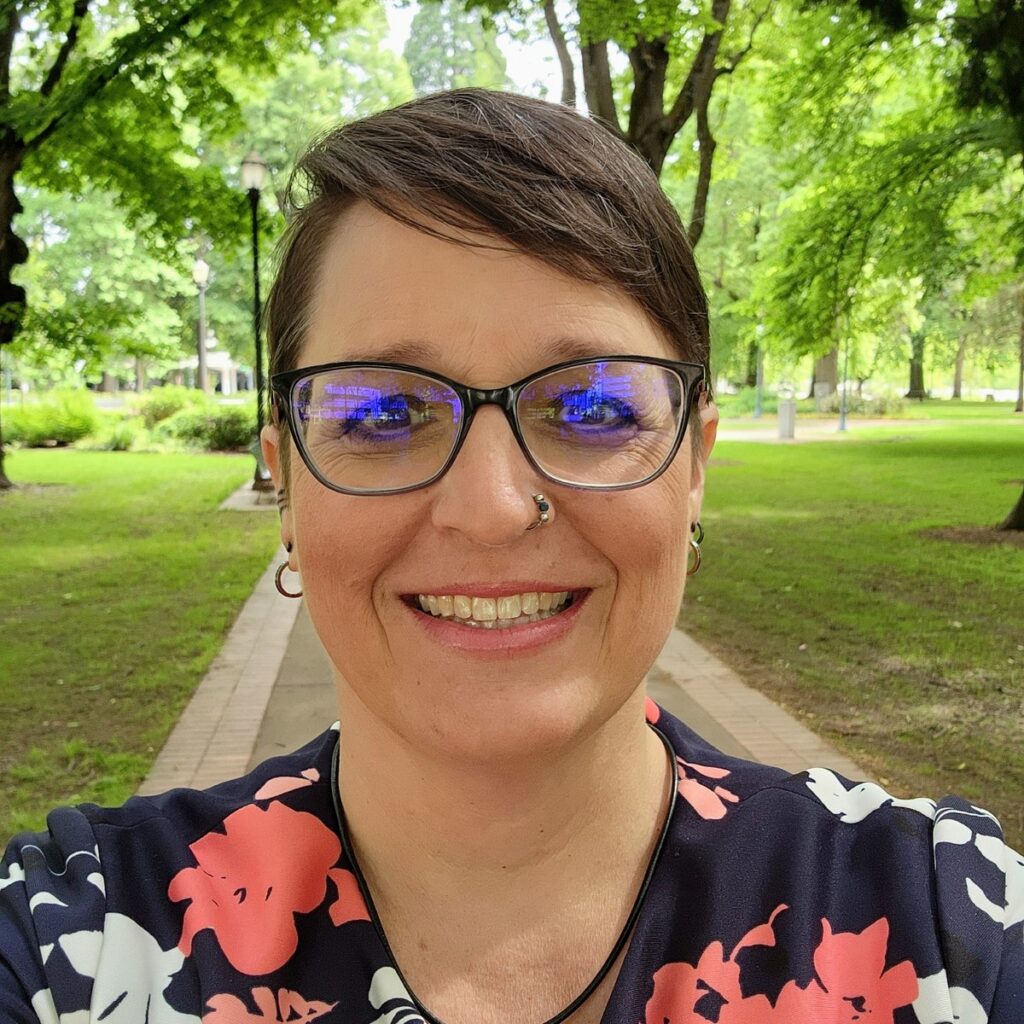
- Thu, Oct 22 · 10:15 AMFireside RoomPerson-Centered Emergency Preparedness (P-CEP): Building Resilience Through Relationships, Strengths, & Community
- Fri, Oct 23 · 11:20 AMGreat HallWe Are Not Powerless: Power Resilience in a Changing Climate
Erin Taylor (she/her) is a passionate advocate for equity and accessibility, dedicated to dismantling ableism and fostering belonging. Her work centers disabled people’s voices, honors intersectionality, and ensures access needs are recognized and met. With deep expertise in creating accessible, inclusive training materials, Erin has presented throughout Oregon, nationally, and internationally on disability justice, anti-ableism, health promotion, and disaster preparedness.
In 2022, she co-founded AIM-4-Access with her partner, and in 2023 helped launch the nonprofit Upstream Access, which creates spaces for social connection while advancing inclusive disaster preparedness and cross-disability collaboration throughout the state of Oregon. Through this work, Erin has helped position Upstream Access as the first organization in the United States to pilot Person-Centered Emergency Preparedness (P-CEP), a strengths-based curriculum developed in Australia.
A core focus of Erin’s disaster preparedness work is power resilience. Through community listening and direct engagement, she has highlighted a critical and often overlooked gap: many disabled people lack access to backup power or solar-powered devices during extreme weather events and power outages. Her work addresses this inequity by integrating disability justice, climate resilience, and practical solutions that support autonomy, safety, and interdependence. Taylor was a recipient of the Natural Hazard Workshop Disability and Disasters Award in 2026.
A proud member of the disability and LGBTQIA+ communities and with non-apparent disabilities, Erin holds an M.A. in Disability Studies from the City University of New York and a B.A. in Communication Studies from Western Oregon University. Beyond advocacy, she is a lifelong musician and enjoys hiking, kayaking, and capturing the beauty of the Pacific Northwest through photography.
- Thu, Oct 22 · 12:45 PMGreat HallTribal Ecocultural Stewardship: Developing the Next Generation of Leaders for Resilient Landscapes & Communities
Tribal Council (Alternate), Kosealekte Band Pit River Tribe
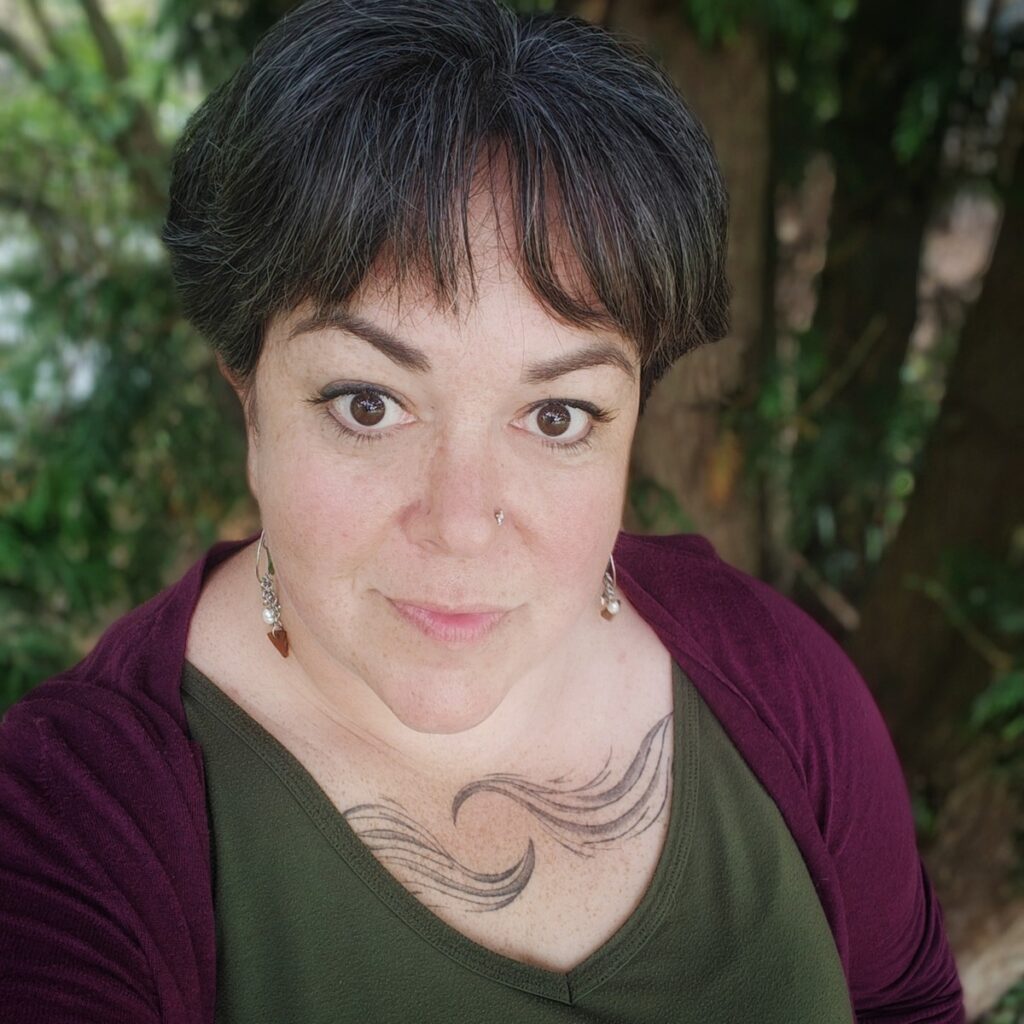
- Fri, Oct 23 · 9:35 AMGreat HallWatch Duty Meets State Government: A New Approach to Disaster Resilience
Sunny Summers is a Senior Policy Advisor at the Oregon Department of Agriculture (ODA), where she serves as rules coordinator and emergency management liaison and works on coexistence issues. She believes people should have a voice in how the work gets done. In more than 20 years at ODA, she has worked in pesticide regulation, cannabis policy, grant administration, and rulemaking. Sunny holds a B.S. from Oregon State University and a Master of Legal Studies from Willamette University College of Law.
- Wed, Oct 21 · 4:20 PMGreat HallLa Pine Basin All-Lands Partnership: Enhancing Forest & Community Resiliency in Central Oregon
Lauren oversees the Deschutes County Natural Resources Department and manages their grant programs. She is the co-lead of the La Pine Basin All-Lands Partnership (LPBALP) Private Landowner Outreach & Public Engagement Team.
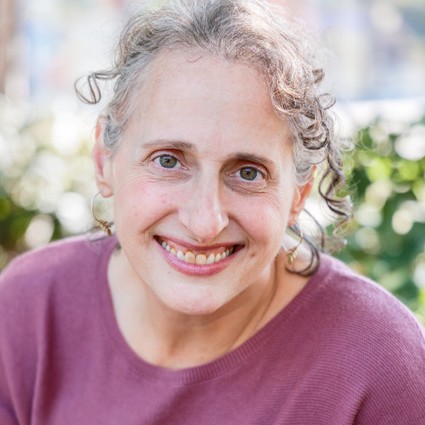

- Fri, Oct 23 · 8:15 AMGreat HallResilience Hubs: Securing Our Future
Max Seiler, EMPA, serves as Finance & Administration Chief and Interim Policy Chief for the Oregon Department of Human Services Office of Resilience and Emergency Management (OREM). His work spans emergency management finance and administration, procurement and contracting, legislative coordination, and policy development, with a focus on building the systems and partnerships needed to support Oregonians before, during, and after disasters. Max works across OREM programs to develop administrative, procurement, and policy approaches that strengthen Oregon’s disaster human services system. His current work includes supporting expansion of community-based disaster human services capacity and development of pre-disaster provider agreements, as well as policy and implementation work related to Oregon’s new State Individual Assistance program. Max holds an Executive Master of Public Administration from Portland State University.
Jenn Bosch serves as Grants Program Administrator for the Oregon Department of Human Services Office of Resilience and Emergency Management (OREM). She the project lead for ODHS Resilience Hubs and Networks work program, including administration and continued development of the statewide grant program, implementation of ORS 409.760 and OAR 407-100, supporting continued resilience investments including OREM’s community Stockpile and Typed Package efforts, and related policy and rule development. Jenn also manages major resilience investments including OREM’s community Stockpile and Typed Package efforts. She works with grant recipients, community partners, vendors, and others to move resilience investments from planning through implementation. Her work focuses on strengthening community capacity and continually improving how Oregon supports Resilience Hubs and Networks across the state.
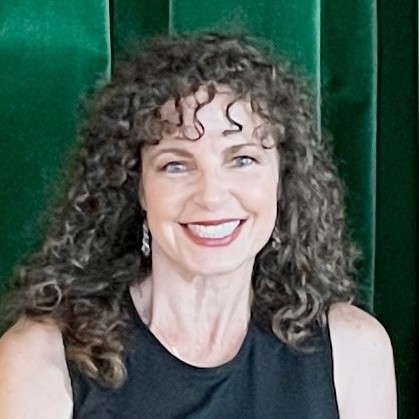
- Wed, Oct 21 · 4:20 PMGreat HallLa Pine Basin All-Lands Partnership: Enhancing Forest & Community Resiliency in Central Oregon
Serving Crook, Deschutes, Jefferson, and Klamath Counties, Jodie has extensive experience working with federal, state, and local agencies as well as private landowners on wildfire preparedness. She is the co-lead of the La Pine Basin All-Lands Partnership (LPBALP) Private Landowner Outreach & Public Engagement Team.
- Thu, Oct 22 · 4:15 PMGreat HallRelationships as Resilience: Why the COAD Model Works
Gen Schaack has a background in nonprofit work in areas of education, food systems and access, and social and ecological resiliency. She is passionate about increasing the capacity of local food producers to help alleviate hunger in our community while promoting sustainable land management practices. She graduated from the University of Oregon with undergraduate degrees in Mathematics and Fine Arts, and holds a Masters of Public Administration and Nonprofit Management. Having moved to the area at 20 years old from Chicago, Gen remains awed by the beauty of our wild and working lands.
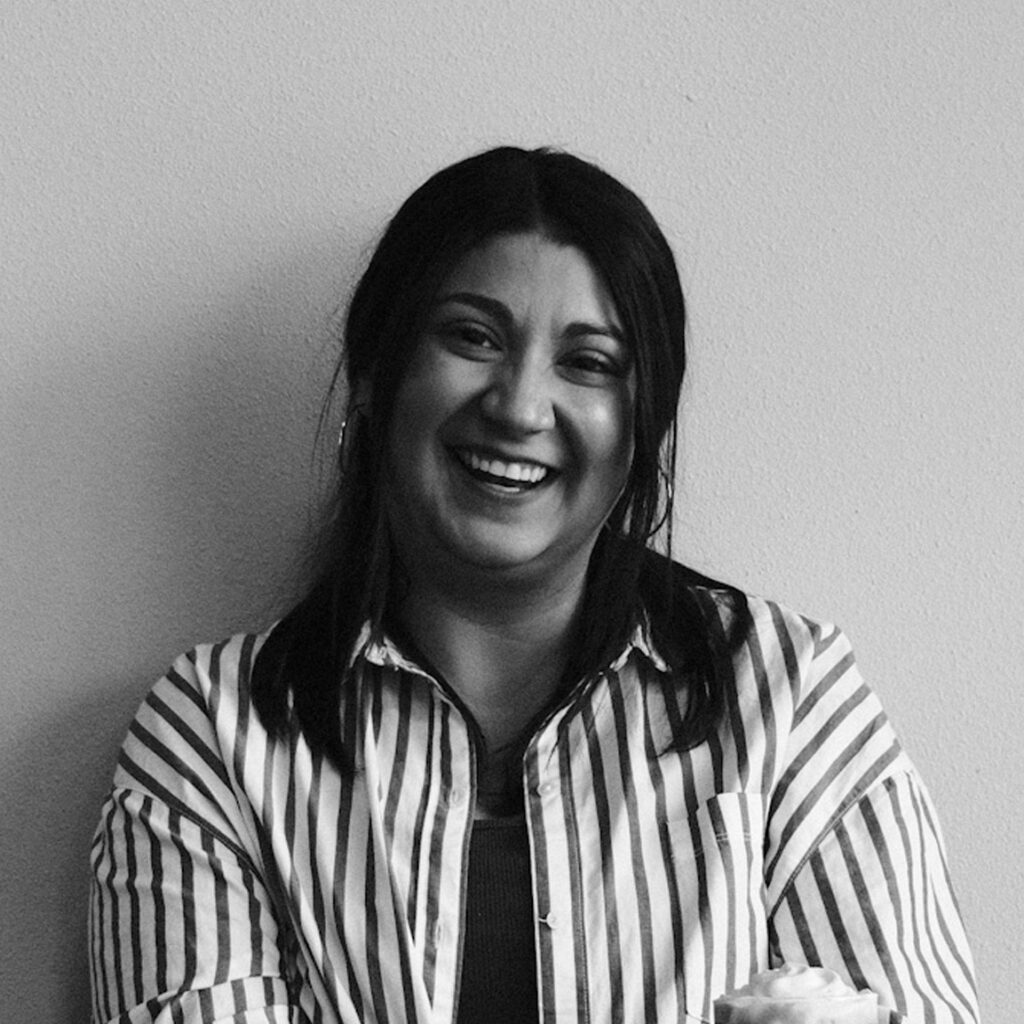
- Fri, Oct 23 · 1:00 PMGreat HallA Spirituality of Community Resilience
Cris Saldivar is a community organizer with Together Lab, where she works alongside youth and adult leaders across East Multnomah County to build communities rooted in belonging, relationship, youth leadership, and collective care. She is a co-founder of Mt. Hood Unida, a Latiné-led organization creating intergenerational spaces for connection, culture, and community resilience. Cris also supports the Leaven Community and Salt & Light Lutheran Church, supporting spaces where people can explore spirituality, embodied wisdom, joy, and connection.
Across her work, Cris is passionate about cultivating intergenerational belonging, strengthening people’s relationships to one another and to the places they call home, and creating spaces where people feel noticed, named, and known. Her work centers the belief that resilience grows through relationship, cultural connection, spiritual practice, and collective care and that communities become stronger when people of all ages have opportunities to belong, lead, play, and shape the future together.
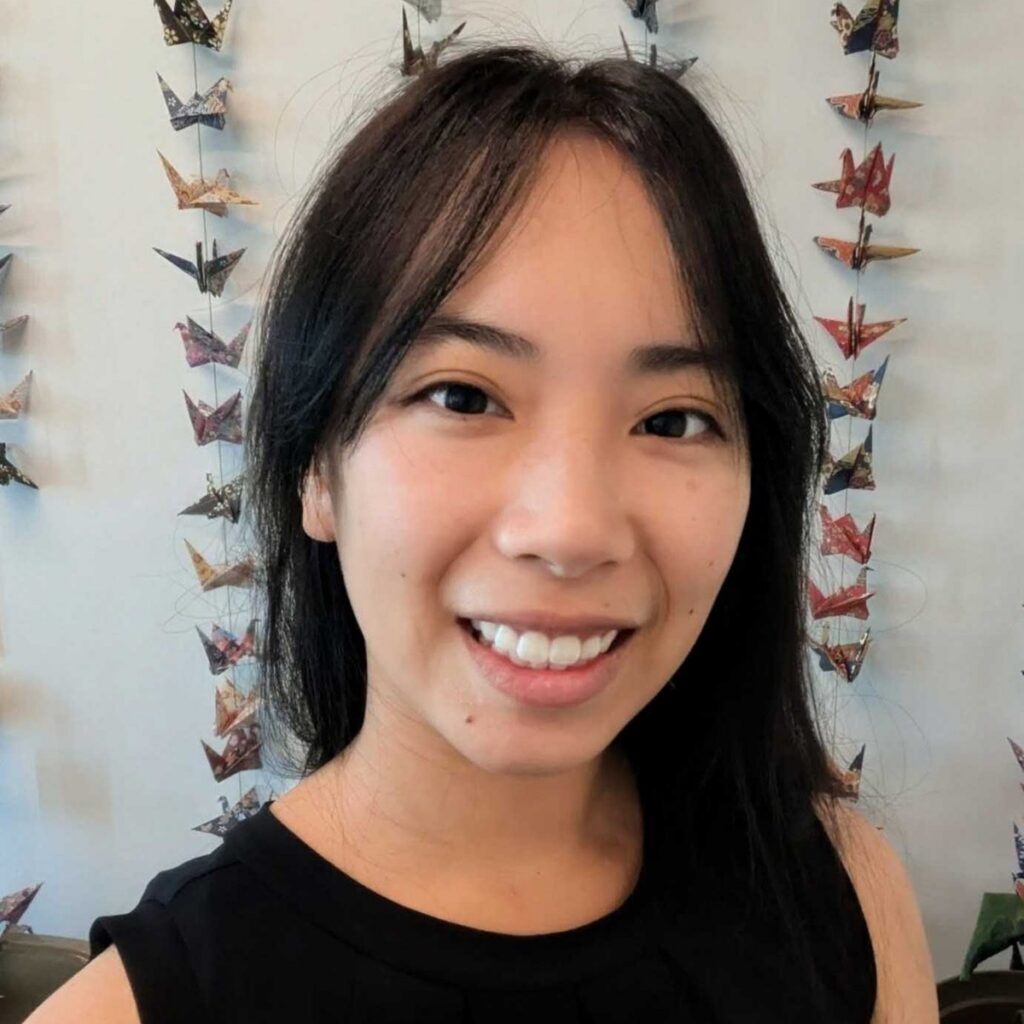
- Thu, Oct 22 · 8:30 AMFireside RoomReimagining Disaster Recovery Through Transformational Resilience
- Fri, Oct 23 · 12:30 PMGreat HallUnraveling Resilience in its Origins, Legacy, & Reclamation
I am an Assistant Professor at the School of Social Work at Portland State University, housed at Trauma Informed Oregon. I started my career in social work through volunteering with BSW social workers to work with children in emergency shelters and later received my MSW at the University of Maine. In my role I work with community based organizations to apply trauma informed approaches for both those served and the workforce through evaluation, integration, and advocacy. My primary focus is the intersection of cultural resources, race, climate change, and disaster resilience. With the rise in frequency and severity of climate disasters, I collaborate, evaluate, and consulate statewide networking with BIPOC focused community based organizations to support staff and community wellbeing with a trauma informed lens. I am passionate about anti-racist, trauma informed care because it focuses on organizational change to prevent and resist retraumatization for both community members and staff, inviting everyone into places of decision making.
Since 2021 and in response to the 2020 Labor Day Fires, I supported the formation and continue to support what is now the Disaster Resilience Learning Network (DRLN), a network for and by community-based organizations of color. In this network, we problematize resilience to unlearn neoliberalist influences in how resilience is conceptualized and reclaim its practice within culture, language, and community.
- Wed, Oct 21 · 12:00 PMGreat HallLand Acknowledgement with Musical Accompaniment
- Thu, Oct 22 · 8:05 AMGreat HallDaily Welcome & Reflection
- Fri, Oct 23 · 8:00 AMGreat HallCollective Rhythm: Tribal-Led, All-Audience Percussion Session
Klamath, Modoc, Northern Cheyenne and Apsáalooke
- Wed, Oct 21 · 12:00 PMGreat HallLand Acknowledgement with Musical Accompaniment
- Thu, Oct 22 · 8:05 AMGreat HallDaily Welcome & Reflection
- Fri, Oct 23 · 8:00 AMGreat HallCollective Rhythm: Tribal-Led, All-Audience Percussion Session
Klamath, Modoc, Northern Cheyenne and Apsáalooke
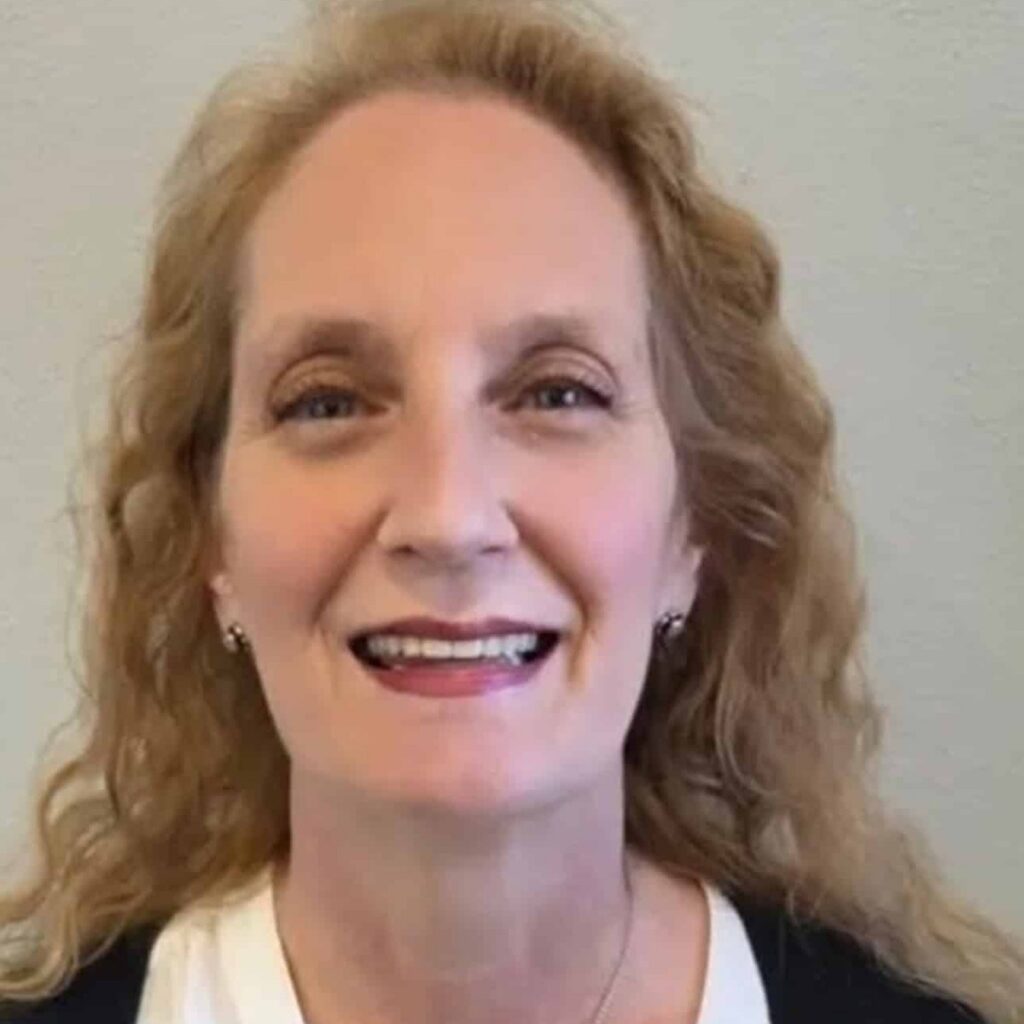
- Fri, Oct 23 · 12:00 PMGreat HallBuilding Family Resilience to Climate Disasters Through Community Based Trauma Informed Disaster Case Management
- Wed, Oct 21 · 1:10 PMGreat HallRangeland Fire Protection Associations & Oregon Department of Forestry
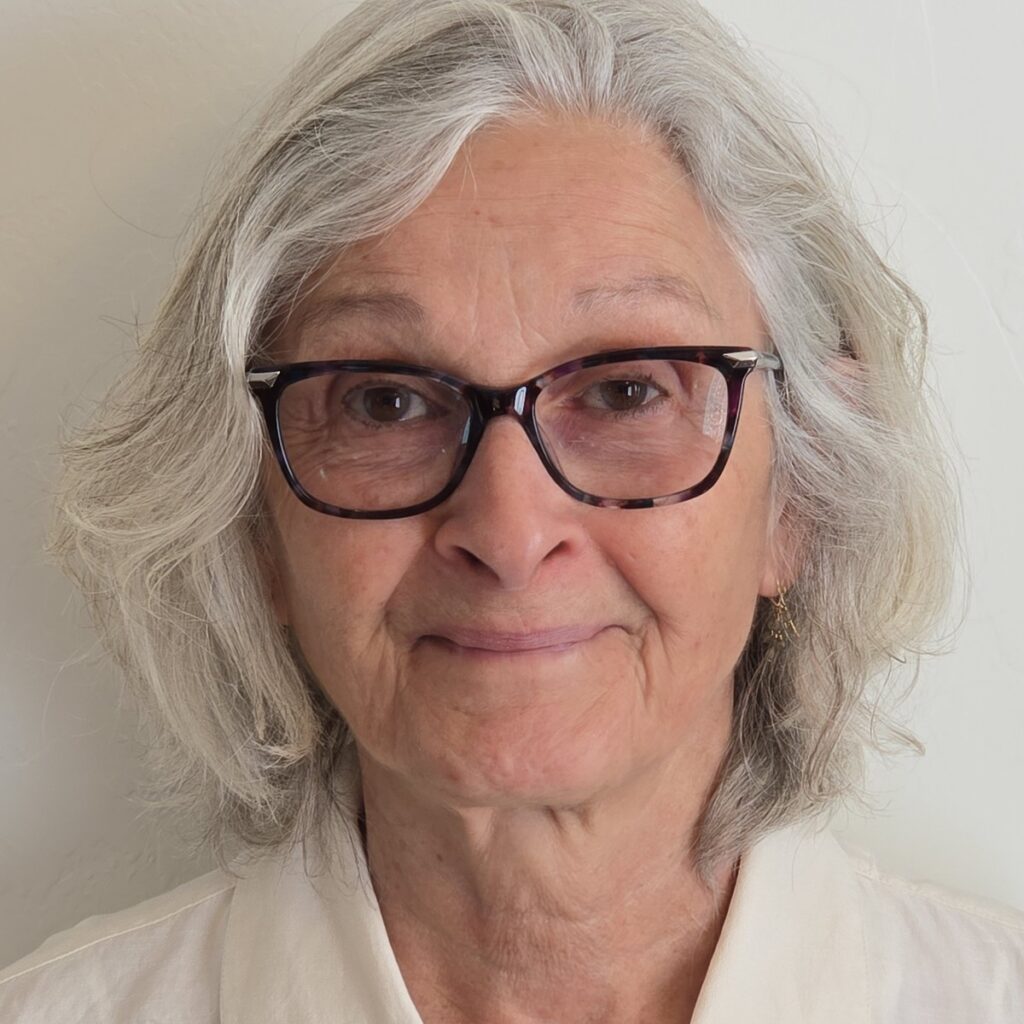
- ModeratorWed, Oct 21 · 1:30 PMFireside RoomWeathering the Storm: Building Emotional Resilience in the Face of Climate Uncertainty
Robin is a volunteer with Curry County Master Gardner’s Association with OSU Extension. She is a member of the facilitator cohort with the OSU Extension Climate Stress and Grief: Building Resilience in Farmers and Ranchers project. Robin’s background is in mediation, including community mediation and restorative justice.
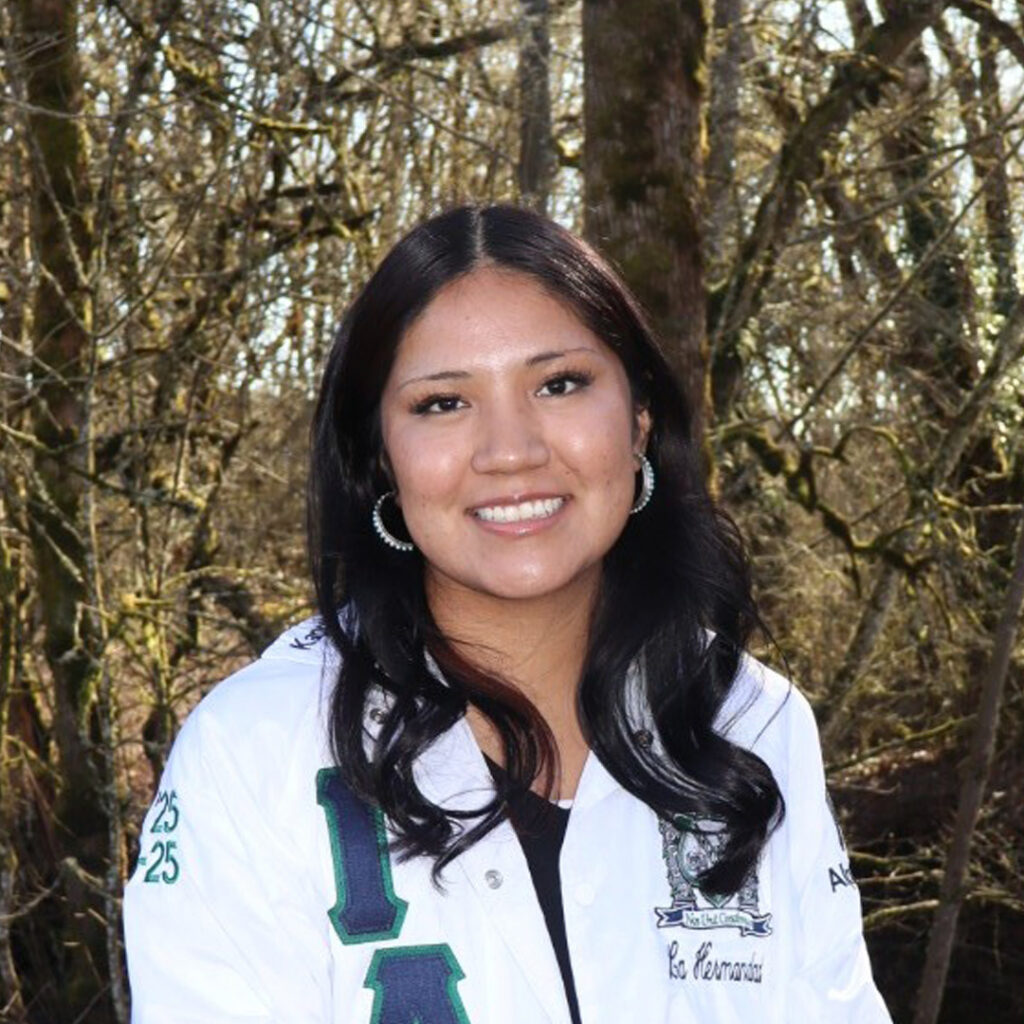
- Thu, Oct 22 · 12:45 PMGreat HallTribal Ecocultural Stewardship: Developing the Next Generation of Leaders for Resilient Landscapes & Communities
Wadatika Band Burns Paiute
My name is Alexis First Raised. I am a 4th-year at Oregon State University studying secondary education with an option in language arts teaching. I am an enrolled member of the Burns Paiute tribe and was raised in eastern Oregon. At school, I am involved in various clubs and organizations! I am an executive officer for two clubs, as well as my sorority, Native American Student Association, and Society of scholarly sisters. My sorority is Gamma Alpha Omega Sorority Inc! I currently work at OSU at the Dr. Lawrence Griggs Center for Black and Indigenous Student Success as a peer mentor. In my spare time, I enjoy hanging out with my friends and going outdoors!
- Wed, Oct 21 · 12:20 PMGreat HallSetting the Stage: Content & Connections
- Thu, Oct 22 · 12:45 PMGreat HallTribal Ecocultural Stewardship: Developing the Next Generation of Leaders for Resilient Landscapes & Communities
Wadatika Band Burns Paiute Tribe
Gabe brings experience in developing tribal workforce training and employment programs, providing mentorship and support for inter-tribal crew members, and building tribal natural resource department programming and capacity. At Lomakatsi, he operates the annual Tribal Stewards program, coordinating partner relationships, recruiting crew members, providing mentorship and coaching, and ensuring smooth program operation. Gabe is an enrolled member of the Burns Paiute Tribe in southeastern Oregon, where he has served as both Chairman and Vice-Chairman for the Burns Paiute Tribal Council, and as the Tribe’s Housing Director.
- Fri, Oct 23 · 8:15 AMGreat HallResilience Hubs: Securing Our Future
Marta Petteni serves as the Emergency Management & Resilience Coordinator for the City of Milwaukie, Oregon, where she leads initiatives to strengthen the community’s capacity to prepare for, respond to, and recover from emergencies and climate-related challenges. In this role, she develops and implements comprehensive emergency management and resilience strategies, supports the protection of critical infrastructure—including water, energy, and transportation systems—and integrates climate adaptation and long-term resilience into municipal planning. She also leads funding and grant initiatives and coordinates resilience efforts across local, regional, state, and federal partners.
Marta’s work is grounded in an equity-centered and community-led approach to resilience. She collaborates with the Community Emergency Response Team (CERT), residents, local businesses, and community partners to strengthen preparedness and build trusted networks of support, with particular attention to the needs and voices of historically marginalized communities.
Alongside her work with the City of Milwaukie, Marta leads Studio Petteni, a design and research practice that uses design as a tool to address social and environmental challenges, including homelessness, the housing crisis, environmental injustice, and post-disaster recovery and reconstruction. Her work spans four continents and includes projects in Italy, Spain, Ecuador, Fiji, and the United States.
- Wed, Oct 21 · 12:00 PMGreat HallThe Plan for a Resilient Oregon
- Wed, Oct 21 · 6:30 PMGreat HallPlenary Session: Opening Remarks & Community Welcome
- Fri, Oct 23 · 1:25 PMGreat HallClosing Statements
Jonna Papaefthimiou is the Oregon State Resilience Officer, advising Governor Tina Kotek on disaster resilience, emergency management, and long-term recovery. Jonna recently led completion of Oregon’s first comprehensive resilience plan, the Plan for a Resilient Oregon (PRO) on behalf of the Governor. She previously worked for the City of Portland as an emergency manager and as the City’s first Chief Resilience Officer. Jonna has also worked as a land-use planner and community organizer. She holds a Master in City Planning from the Massachusetts Institute of Technology. She lives in her hometown, Portland, Oregon.
- Wed, Oct 21 · 12:30 PMGreat HallLaying the Groundwork: Harney County Wildfire Collaborative
Rep. Mark Owens is the Republican state representative for Oregon’s House District 60. He is a local farmer and small business owner, and former Harney County Commissioner and Crane School Board member.
During the 2026 interim, Mark is Co-Chair of the House Interim Committee on Agriculture, Land Use, Natural Resources, and Water. He also serves on the Joint Interim Committee On Ways and Means Subcommittee On Natural Resources, Joint Interim Committee On Ways and Means, Joint Emergency Board Interim Subcommittee on Public Safety, Joint Emergency Board, and House Interim Committee on Climate, Energy, and Environment.
Eastern Oregon has been Mark’s home for over 30 years, but his history in the community goes back much farther. Although he grew up in Boring, Oregon, Mark spent his summers as a teenager working on a ranch in Harney County before moving here as a young adult, meeting his wife, and making frontier Oregon their
home. He currently owns and operates an alfalfa farm and custom haying business in Harney County.
House District 60 encompasses all of Baker, Grant, Harney, Lake and Malheur Counties, and parts of Deschutes County.
- Thu, Oct 22 · 9:30 AMGreat HallFood Systems & Community Resilience
Catherine Nguyen is the founder and lead farmer of Mora Mora Farm, a 1.5-acre diversified vegetable farm in Troutdale, OR. She grows 40+ crops and hundreds of varieties for CSA members, farmers markets, restaurants, and nonprofit partners. Catherine is passionate about building resilient farm systems—from soil health and ecological farming practices to thoughtful business systems—and creating a farm that can be both productive and sustainable for the long haul.
- Wed, Oct 21 · 4:20 PMGreat HallLa Pine Basin All-Lands Partnership: Enhancing Forest & Community Resiliency in Central Oregon
- Wed, Oct 21 · 1:10 PMGreat HallRangeland Fire Protection Associations & Oregon Department of Forestry

- Thu, Oct 22 · 9:30 AMGreat HallFood Systems & Community Resilience
Alice Morrison is a former vegetable farmer and farmers market manager, and Co-Executive Director of Friends of Family Farmers. Her background in community organizing, nonprofit communications and strategy, and food systems advocacy/growth all work towards her focus on reforming the food system to promote localized, equitable, community centric food producers. Alice’s motivation to get more food producers involved in system change stems from her experience working within the state legislature for FoFF’s members, and the deep belief that reform of the food system has to come from within its ranks. Lasting change for a food system that serves communities, workers, ecosystems, and economies cannot come from a movement without farmers at the front. Alice holds a BA from Dartmouth College, an MA in nonprofit management from University of Oregon, and has 5 years of organic vegetable production experience in Western Oregon.
- Wed, Oct 21 · 12:00 PMGreat HallThank You: Supporters, Sponsors, & Partners
- Fri, Oct 23 · 1:25 PMGreat HallClosing Statements
- ModeratorWed, Oct 21 · 1:30 PMFireside RoomWeathering the Storm: Building Emotional Resilience in the Face of Climate Uncertainty
Sara provides services to small businesses, non-profit organizations and local governments in rural Northeast Oregon, where she is Deputy Director at NE Oregon Economic Development District. Sara is a first-generation rancher and experienced a prolonged wildfire in 2022 with devastating loss of forage and infrastructure. She is part of a cohort of facilitators trained by Oregon State University Extension to provide access to climate grief and stress resiliency resources.
- Wed, Oct 21 · 6:30 PMGreat HallOn Trust
Joe McFerrin II is the President & CEO of Portland Opportunities Industrialization Center (POIC) and Rosemary Anderson Prep (RA Prep). A passionate advocate for youth development, education, workforce readiness, and economic opportunity, Joe began his career with POIC in 1995 as a student counselor and has spent three decades helping expand the organization’s impact across Portland and beyond.
Joe holds a Master of Public Administration from Portland State University and is a respected leader in the nonprofit and education sectors. His commitment to community advancement extends beyond POIC through service on numerous boards and advisory bodies, including the Portland State University Foundation Board of Trustees, Worksystems, Inc., CareOregon, the OIC of America Board of Directors, and the PIL Foundation Board.
A devoted husband, father of three, and proud grandfather of four, Joe enjoys spending time with family, cheering on the Dallas Cowboys, and playing golf whenever he has the opportunity.
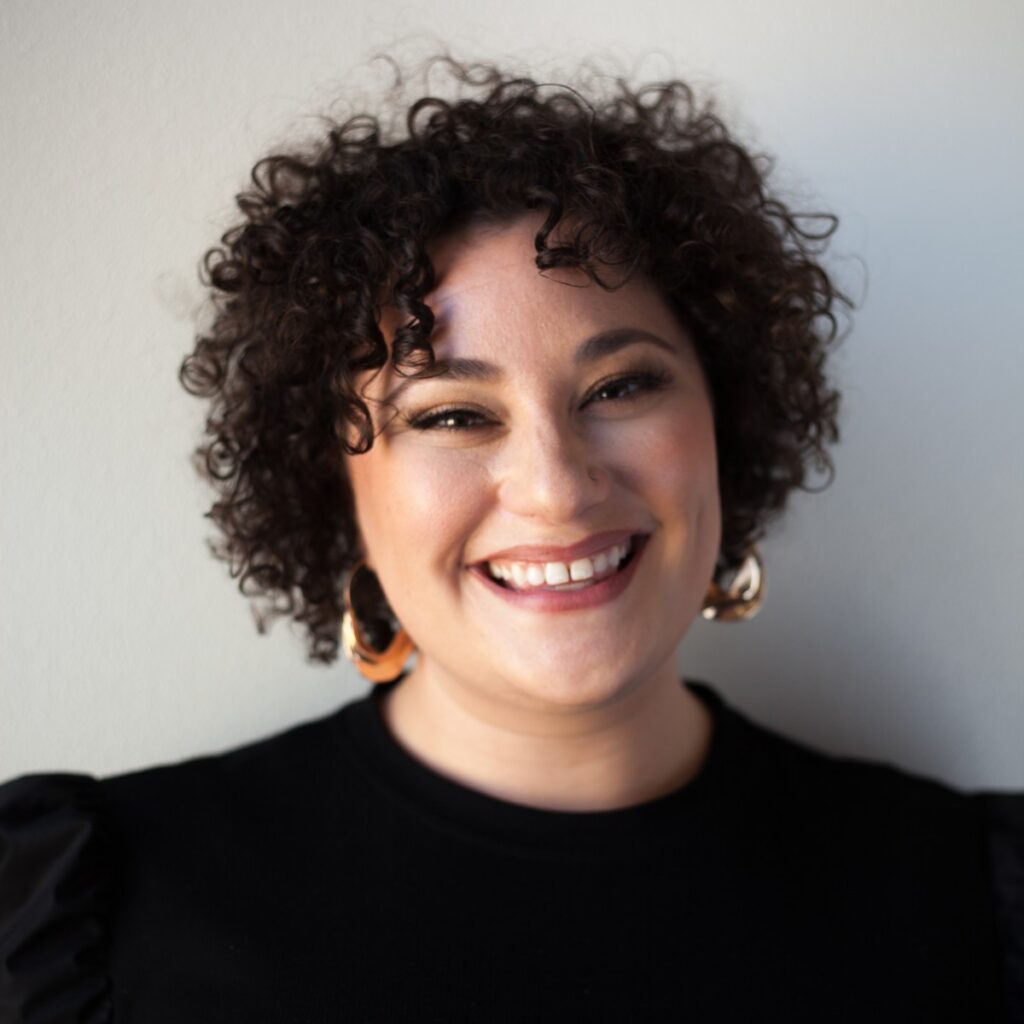
- Fri, Oct 23 · 11:40 AMGreat HallThe Math of Community Care: What + Who Gets Added, Subtracted, Divided and Multiplied
AJ McCreary, a lifelong Portlander, historian, and a community activist who has been working locally on and off her entire life. She specializes in marketing strategies and fundraising through an Equity, Diversity, and Inclusion lens. AJ is unapologetic in her advocacy and focus especially when we are discussing resources and the economic impact of systemic oppression. Equitable Giving Circle was born out of a desire to create a model of resource distribution that is not rooted in white supremacy and transactional giving. AJ is deeply passionate about mutual aid and giving with no strings attached; she also knows that to be truly successful, an organization must be led by the people who are in community with the people being served. AJ’s bachelor in African American history and, equally as important, her lived experience coming from a working class, interracial family in North Portland has informed the full range of her work. AJ is a visionary and champion of leaning in locally for big change and immediate impact.
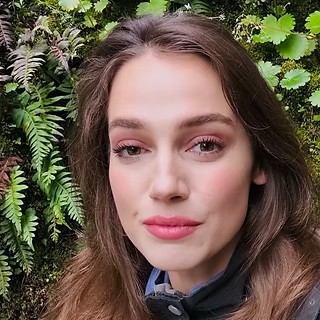
- Thu, Oct 22 · 1:45 PMGreat HallFrom Hazard to Humdrum
- Thu, Oct 22 · 4:00 PMFireside RoomFrom Hazard to Humdrum: Climate Adaptation for a Thriving Future
Sierra is an environmental professional from the rural Willamette Valley. She is a “double-duck” and holds a Master’s degree in Landscape Architecture and a Bachelor’s degree in Enironmental Studies with a minor in Business Administration from the University of Oregon. Her experience spans governmental environmental advising, non-profit site management in the Willamette Valley, and environmental consulting in the PNW. Having grown up visiting Oakridge with her family, Sierra is deeply connected to the region and is excited to contribute to its ongoing forest stewardship.
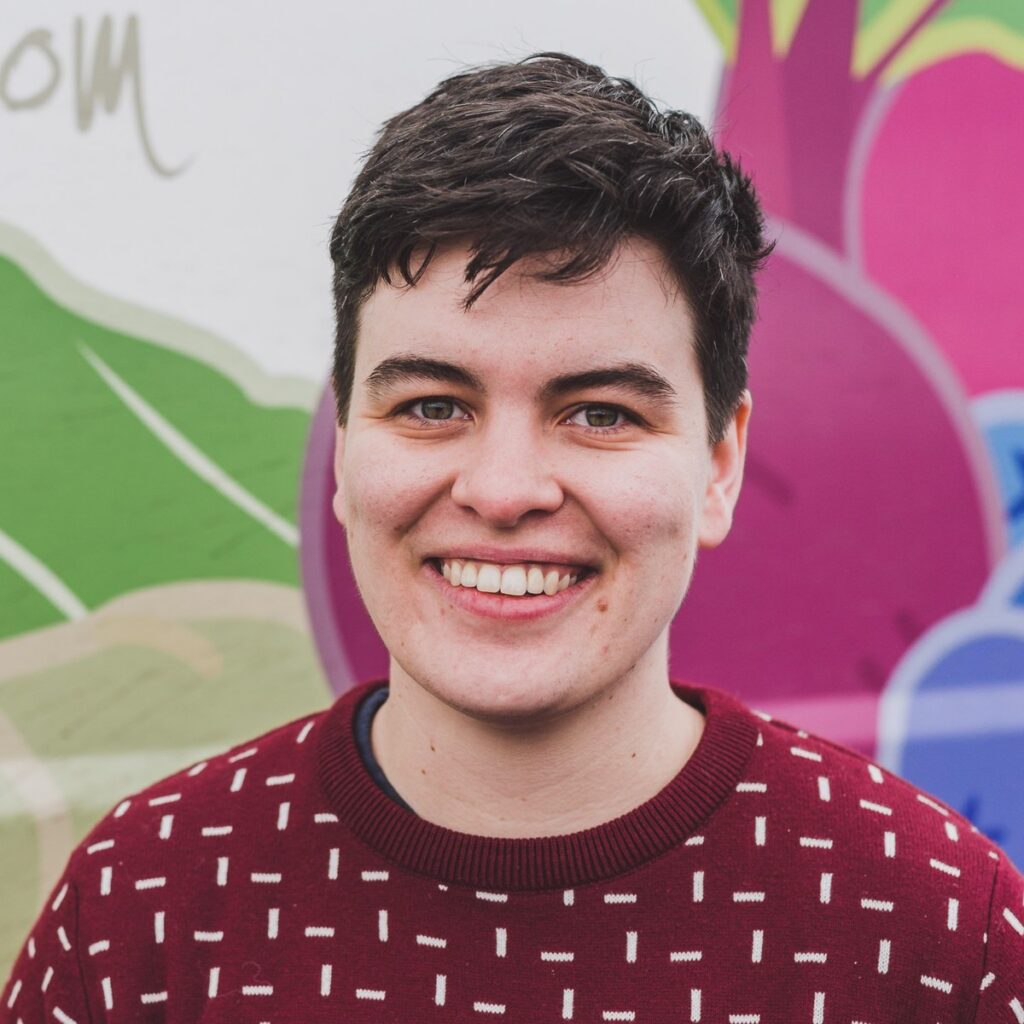
- Thu, Oct 22 · 9:30 AMGreat HallFood Systems & Community Resilience
Erin is the owner and general manager of Agricultural Connections, a food hub in Bend serving Central Oregon farmers, ranchers, home cooks, and restaurants. Erin spent time as an academic, a civil servant, a programmer, a food truck mechanic, and a teacher before finally landing in food systems. Six years in restaurant operations and six years of Ag Connect later, they still love food and the people who grow it and gather around it just as much.
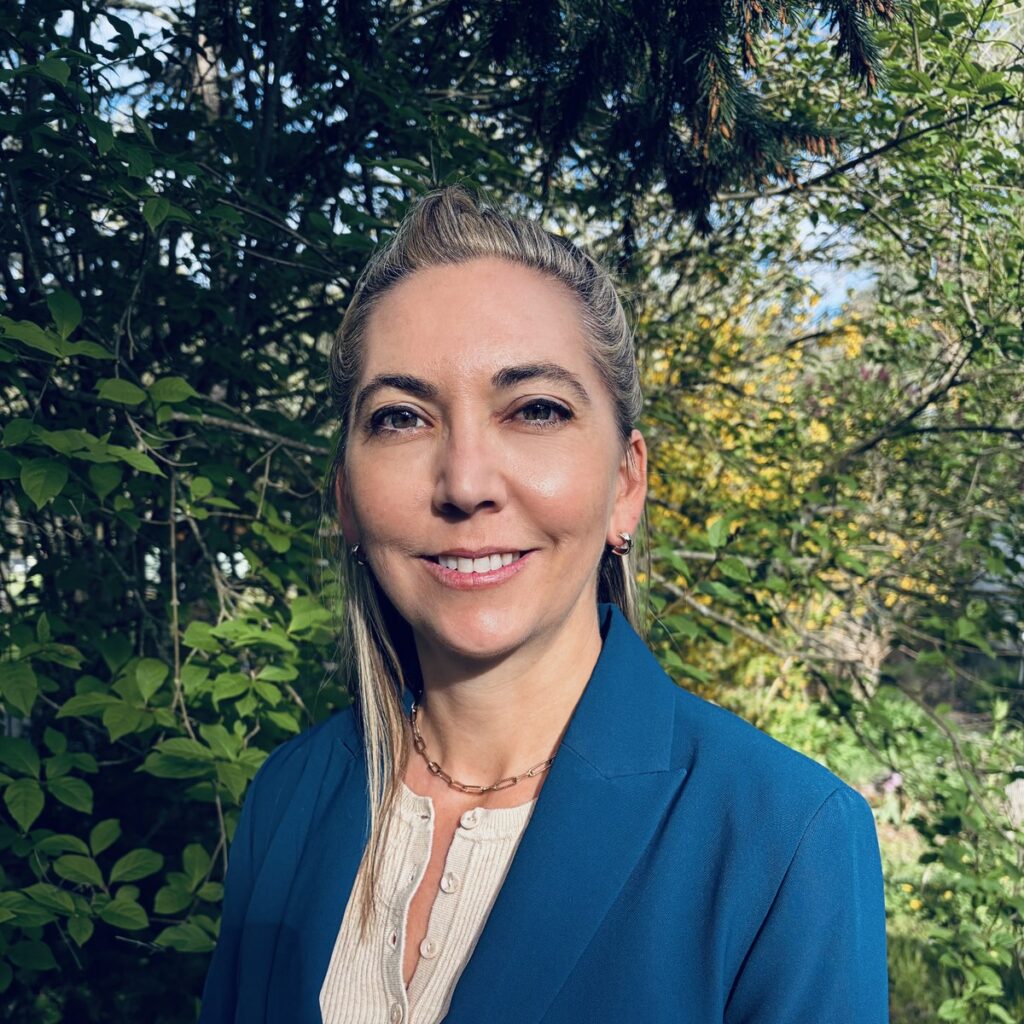
- Wed, Oct 21 · 1:30 PMGreat HallPower of SWCD’s: Natural Disaster Response, Recovery, and Resilience
Lily Leitermann grew up in rural Michigan in a farming family, surrounded by sugar beets, corn, soybeans, and the Great Lakes. She moved to the PNW with her family 18 years ago to raise her child and attend Oregon State University’s Natural Resources graduate program. She began her career with the Upper Willamette SWCD in 2015 as a watershed technician and became District Manager in 2025. At the UWSWCD, she has helped community members improve farming and rural livelihoods while protecting and restoring soil health, water quality, and wildlife habitat. In 2020, the Labor Day Fires affected much of Oregon, including the McKenzie Watershed. Lily served as a restoration specialist on a collaborative team called the Pure Water Partners, which mobilized to respond with post-fire revegetation and erosion control, assisting over 200 landowners after the Holiday Farm Fire. As District Manager, she draws on her experience in ecosystem resilience and conservation to lead her team in supporting farmers, ranchers, and all other local communities. Lily lives and works in Eugene with her family and loves everything about living in Oregon.
- Thu, Oct 22 · 12:45 PMFireside RoomTai Chi Relaxation & Qi Gong Meditation for Emergency Managers’ Self-Resilience
- Fri, Oct 23 · 9:15 AMFireside RoomTai Chi Relaxation & Qi Gong Meditation for Emergency Managers’ Self-Resilience
Rachelle Lambert, Ra Harmony, is a Licensed Acupuncturist and Chinese Herbalist with 12 years experience as a subject matter expert using Chinese Medicine to support disasters in various states and countries.
- Fri, Oct 23 · 1:00 PMGreat HallA Spirituality of Community Resilience
Rev. Alison KIlleen is the Executive Director-Organizer of Leaven Community and Lead Pastor-Organizer of Salt & Light Lutheran Church in Portland, Oregon, where she helps cultivate a shared community hub bringing together mutual aid, arts and culture, climate resilience, spiritual practice, organizing, and neighborhood connection. Her work centers on creating spaces where people across difference can belong, build relationships, and act together for the common good.
Over the past 15 years, Alison has led community-based work in food justice, anti-poverty advocacy, congregational transformation, participatory leadership, and community resilience. She is especially interested in how relationships, storytelling, ritual, and grassroots organizing can help communities navigate isolation, climate disruption, and social fragmentation while building more equitable, connected, and resilient neighborhoods. Prior to her work at Leaven Community, Alison served at Partners for a Hunger-Free Oregon as a Co-Executive Director. She holds a Master of Divinity from Union Theological Seminary in New York City.
- Thu, Oct 22 · 12:45 PMGreat HallTribal Ecocultural Stewardship: Developing the Next Generation of Leaders for Resilient Landscapes & Communities
Tribal Council, Kosealekte Band

- HostWed, Oct 21 · 12:30 PMFireside RoomReal Talk with Survivors & Recovering Communities
Dr. Bethany Grace Howe works in strategic communications for the Oregon Department of Human Services. There, she works with front line staff to ensure AI development as a part of internal communications serves and empowers marginalized communities. She also produces and co-hosts the weekly show: “Sometimes a Great Podcast,” featuring updates and interviews from within ODHS.
Outside of government, she leads Pride & Praxis, an advisory LLC focusing on LGBTQ communications outreach, including consultancy for media on transgender issues. She’s consulted for top outlets like CNN, Politico, Vox, The New York Times, and USA Today, among others. Volunteering, she continues to work with community groups supporting survivors of the 2020 Oregon Wildfires.
Prior to her work in consulting and at ODHS, her 2019 Media Studies doctoral work at the University of Oregon focused on how transgender identity is affected by interpersonal and media-based microaggressions. These efforts produced six articles in peer-reviewed and academic journals.
In her spare time, she’s a stand-up comedienne.
- Fri, Oct 23 · 11:05 AMGreat HallConsidering Preparedness for Ranching Communities
A Eugene native, raised in the country with racehorse-breeder neighbors, Karla always wanted a horse, but sports came first and the equine dreams had to wait. She attended Gonzaga University on a basketball scholarship; earning a marketing degree and going on to work in advertising, higher education, and state government. She coached youth sports for 30 years and enjoys quilting, ceramics, gardening and spending time with their animals.
Karla and husband Ron own a printing and embroidery business, an excavation company, and KrossRoads Ranch where they train mustangs, retire racehorses, and breed Gypsies. Together they have 21 horses, 6 dogs and 8 cats, and have owned llamas, cattle, pigs, chickens, and ducks.
During the 2020 Labor Day wildfires, they evacuated their animals and their 2 businesses. Luckily the winds shifted and they didn’t suffer property loss, but they reflected that emergency communications were lacking and there was no organized effort to help livestock owners. After research and evacuating again in 2022, they decided to put together an organized effort to support rural livestock owners with evacuation and sheltering during disasters. Oregon Livestock Council held their first meeting in September 2023.
Karla is also President of the Oregon Horse Council, and she, along with Ron, coordinate and assist with Technical Large Animal Emergency Rescue trainings. Karla is TLAER operations level certified and is credentialed as a responding OLC Livestock Emergency Response Team member. She has earned her Basic Applied Practices certificate from OEM, is an OEM Be 2 Weeks Ready Program Coordinator, and is certified with the Australian Person-Centered Emergency Preparedness program.
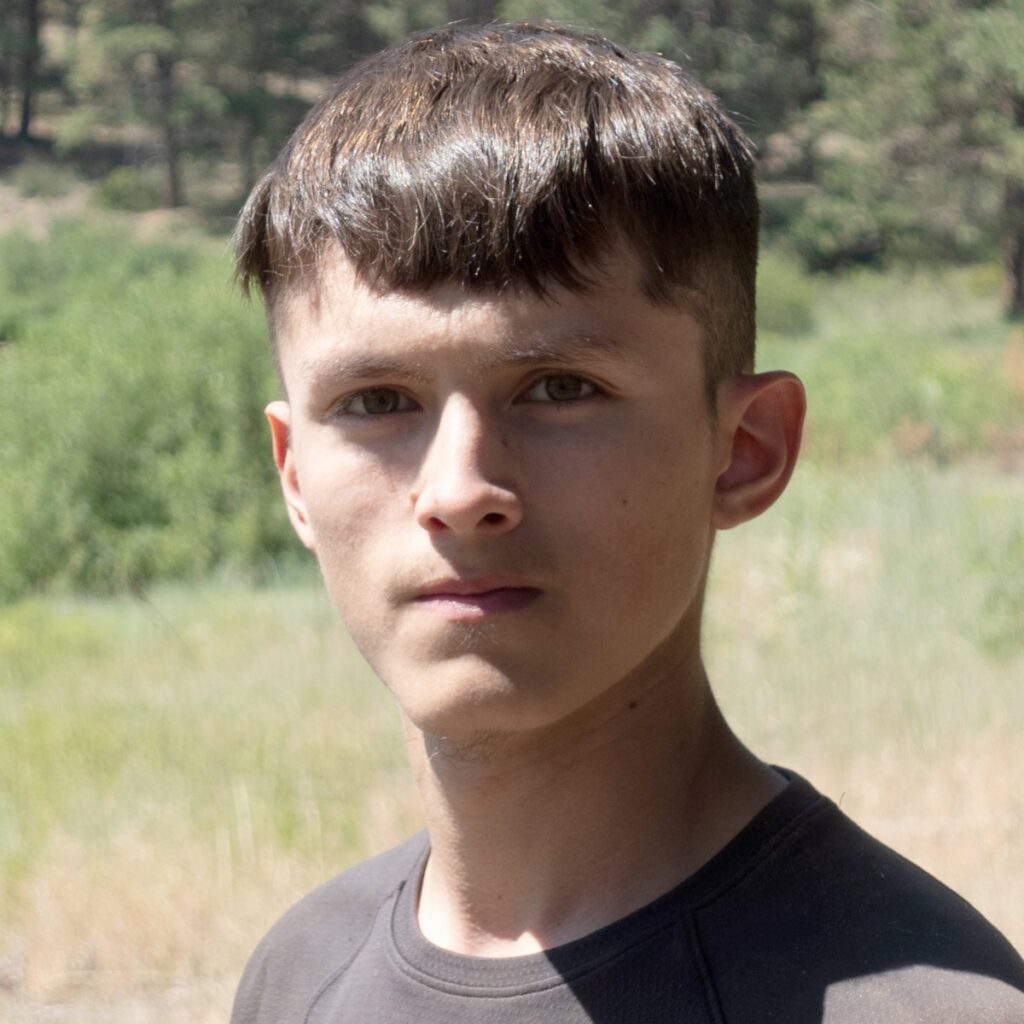
- Thu, Oct 22 · 12:45 PMGreat HallTribal Ecocultural Stewardship: Developing the Next Generation of Leaders for Resilient Landscapes & Communities
Klamath, Northern Paiute
As a member of the Tribal Ecological Forestry Crew, Seneca restores forest health by reducing hazardous fuels through ecological thinning, hand piling, and controlled burning, and participates in specialized ecocultural restoration projects. He is an enrolled citizen of The Klamath Tribes and descendant of the northern Paiute peoples.
Seneca joined the Lomakatsi team in July 2022 and earned certifications as a Firefighter Type 2, including Wildland Fire Chainsaw operation, First Aid/CPR, and Wildland Fire Incident Qualifications. He is also a certified Cultural Monitor.
Seneca’s favorite part of the job is working out in the woods—his home away from home. Outside of work, he likes to hunt, fish, and practice the traditional ceremonies of his people. Seneca strives to be a strong, supportive voice for himself, his crew, and his tribe.
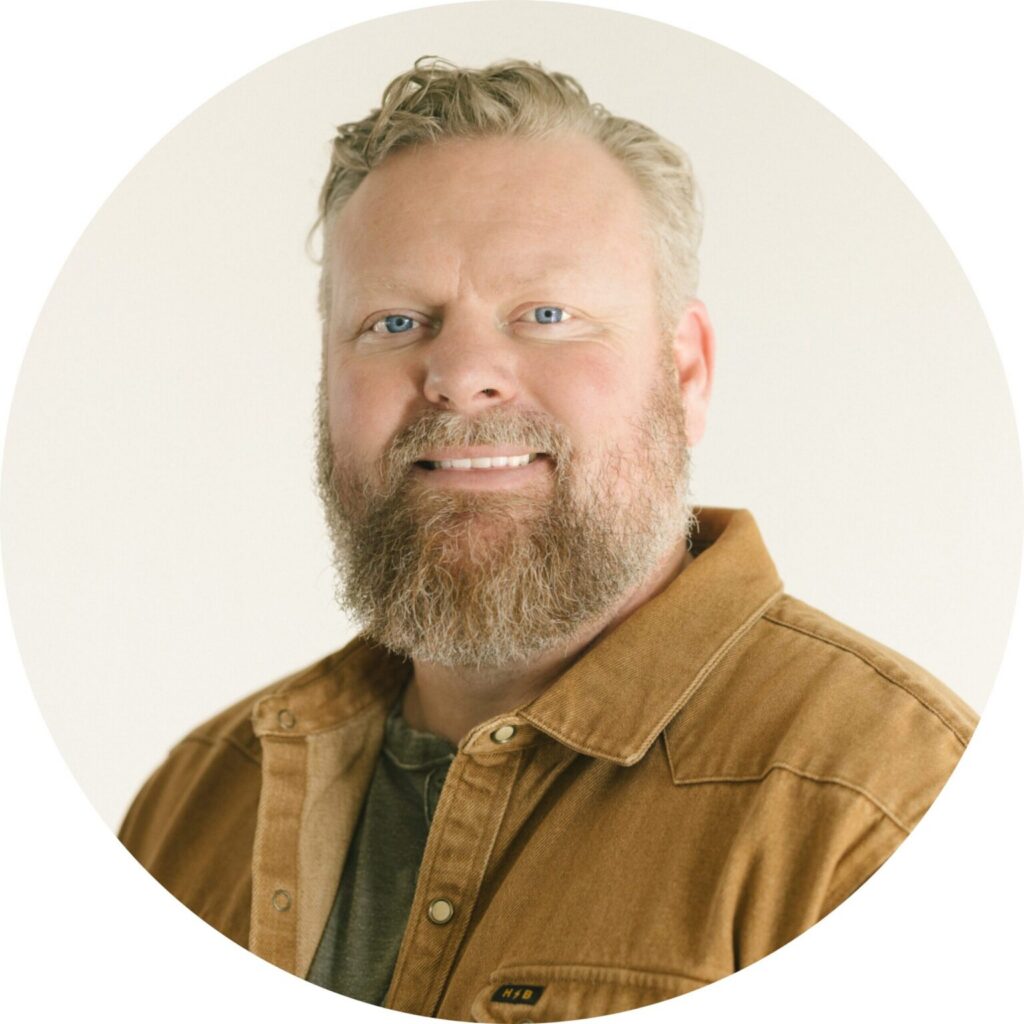
- Thu, Oct 22 · 4:15 PMGreat HallRelationships as Resilience: Why the COAD Model Works
Matthew Havniear, MBA, serves as Executive Director of the Jackson County Community Long-Term Recovery Group (JCC LTRG) and the Rogue Valley Community Organizations Active in Disaster (RV COAD), where he leads long-term disaster recovery and coordinates cross-sector disaster activation efforts across Southern Oregon.
A former Non-Commissioned Officer in the U.S. Marine Corps, he brings more than two decades of leadership experience spanning emergency response, disaster recovery, housing stabilization, and veteran services. Prior to his current role, he developed and managed housing stabilization and case management programs for wildfire survivors, led residential and outpatient transition housing programs, and served as a Regional Field Operations Manager, managing disaster deployment operations across the Pacific Northwest while supporting national disaster responses.
Matthew holds a Master of Business Administration with a concentration in Information Analysis and Decision-Making, and a Bachelor of Science in Innovation and Leadership with a minor in Communication, from Southern Oregon University, and is certified in Project Management through the University of Oregon.
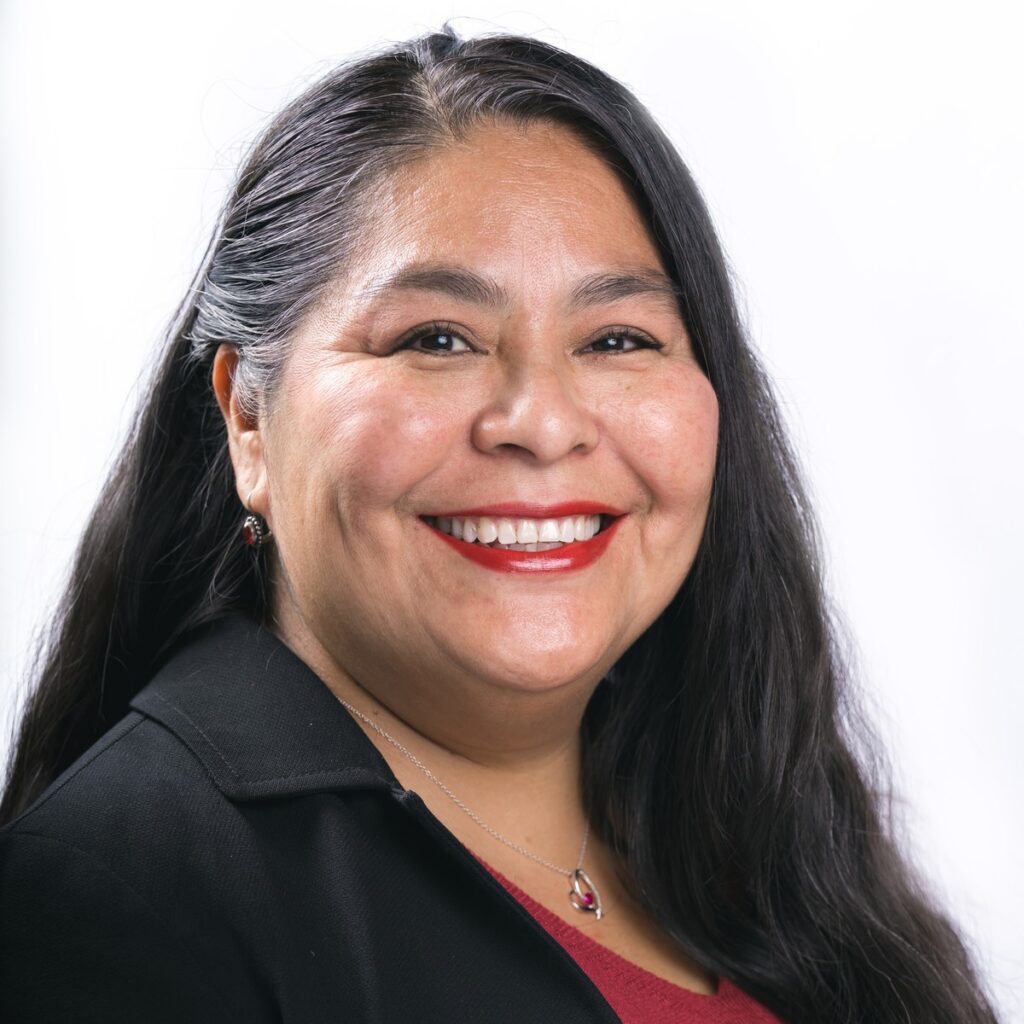
- Thu, Oct 22 · 8:30 AMFireside RoomReimagining Disaster Recovery Through Transformational Resilience
Cecilia Giron is a dedicated community leader with more than 30 years of experience empowering and inspiring underrepresented communities across Oregon. Through her visionary leadership and unwavering commitment to service, she has positively impacted thousands of underserved children, youth, and families throughout the state.
Cecilia has successfully developed and implemented culturally and linguistically responsive educational programs that expand opportunities for Latino students and foster long-term community growth. Her commitment to advocacy, education, economic development, and equity has established her as a respected voice and trusted collaborator across the region.
In recognition of her outstanding contributions and leadership, Cecilia was honored by the Oregon Commission for Women with the prestigious Women of Achievement Award in 2013.
She is an advisory member of the City of Cornelius Economic Development Commission and the Disaster Resilience Learning Network (DRLN). She also consults for LACE, supporting nonprofits that strengthen and prepare Latino communities across Oregon.
Cecilia currently serves as the State Director for LULAC Oregon and Development Director for the Forest Grove/Cornelius Chamber of Commerce, continuing her lifelong commitment to advancing opportunity, resilience, and equity for communities in Oregon and beyond.
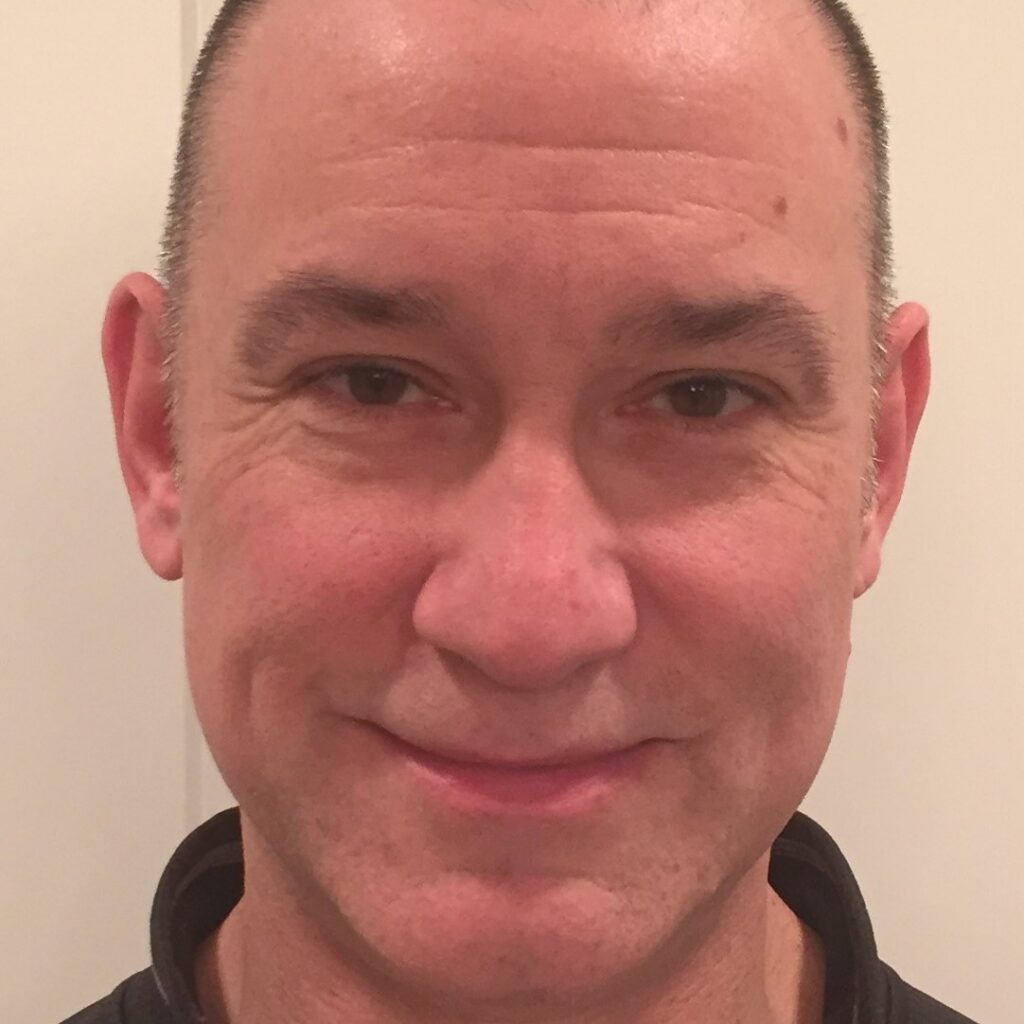
- Fri, Oct 23 · 8:15 AMGreat HallResilience Hubs: Securing Our Future
I have served as the Regional Emergency Coordinator (Western 18 counties) for OREM. Our office has existed since the 2020 wildfires and serves as the statewide ESF6 (Mass Care) leading agency.
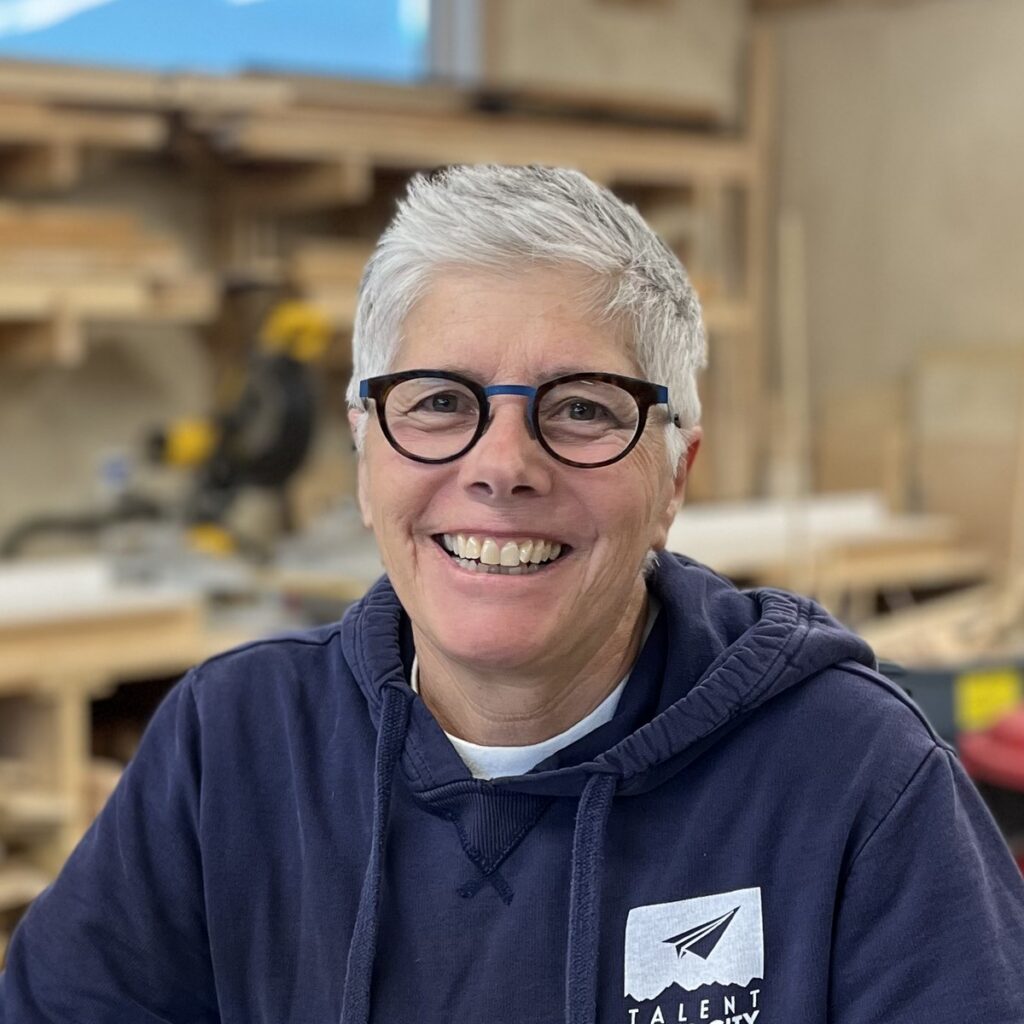
- Thu, Oct 22 · 10:35 AMGreat HallBeyond Shelter: How Food, Beds, & Belonging Build Community Resilience
Allison French is the Executive Director and co-founder of Talent Maker City, a nonprofit makerspace dedicated to building a more connected, prosperous, and resilient community through hands-on learning, workforce development, and community collaboration. Following the 2020 Almeda Fire, Allison helped co-coordinate the Talent Mutual Aid Station and launched Rise Up & Rebuild, a volunteer-powered initiative that has provided more than 150 handcrafted beds to wildfire survivors. A trauma-informed educator with more than 25 years in education, she believes resilience begins with belonging.
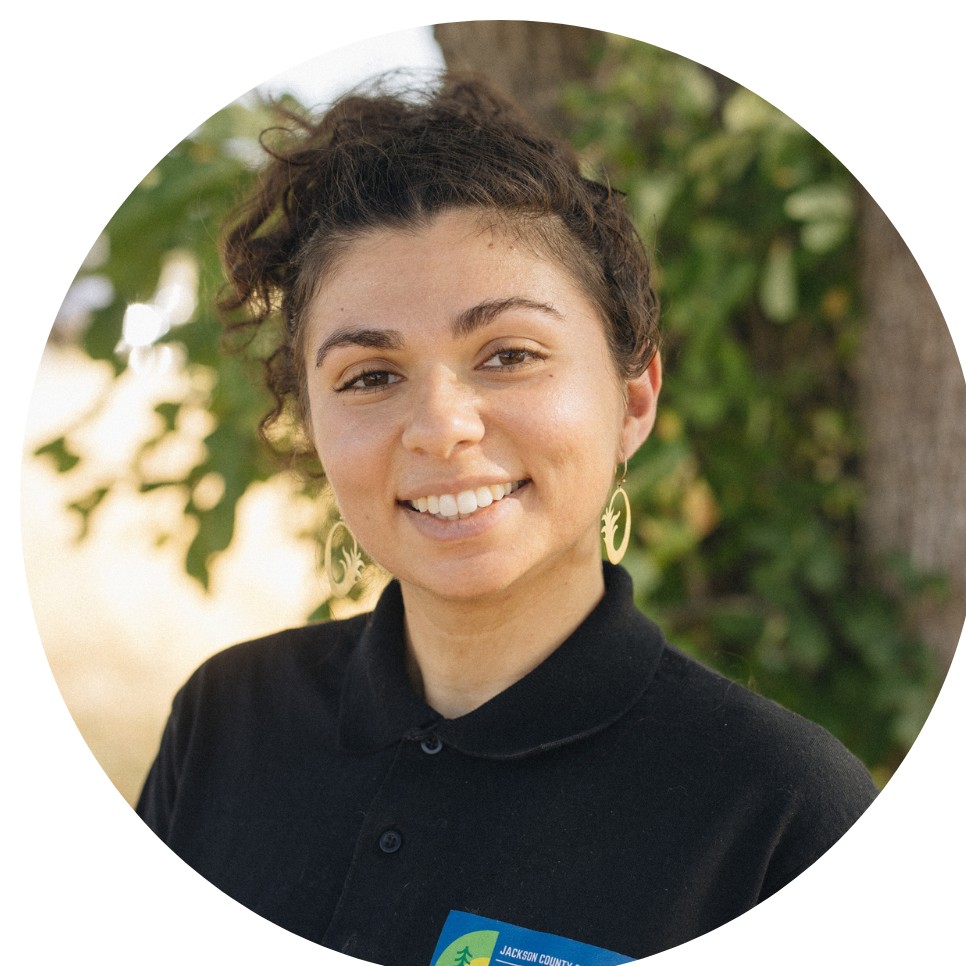
- Thu, Oct 22 · 4:15 PMGreat HallRelationships as Resilience: Why the COAD Model Works
Tessa is a woman of many hats who brings a rich multi-disciplinary approach to her work in community recovery and resiliency.
Born and raised in the vibrant city of Los Angeles, Tessa earned a Bachelor’s Degree in Fine Arts from the School of the Art Institute of Chicago. She’s worn her ‘explorer hat’ (think Indiana Jones) to 28 countries, giving her a global perspective that enriches her work.
Tessa earned her ‘thinking cap’ as the Co-Founder and Program Director at Shift Happens Volunteers, a festival and live event volunteer coordination company. She supported the company’s growth into an expanded team that executes 10 volunteer programs annually. Through this work, she developed a knack for solving complex operational challenges.
Tessa is passionate about serving the Rogue Valley through cross-organization collaboration and long-term planning across the disaster services cycle.
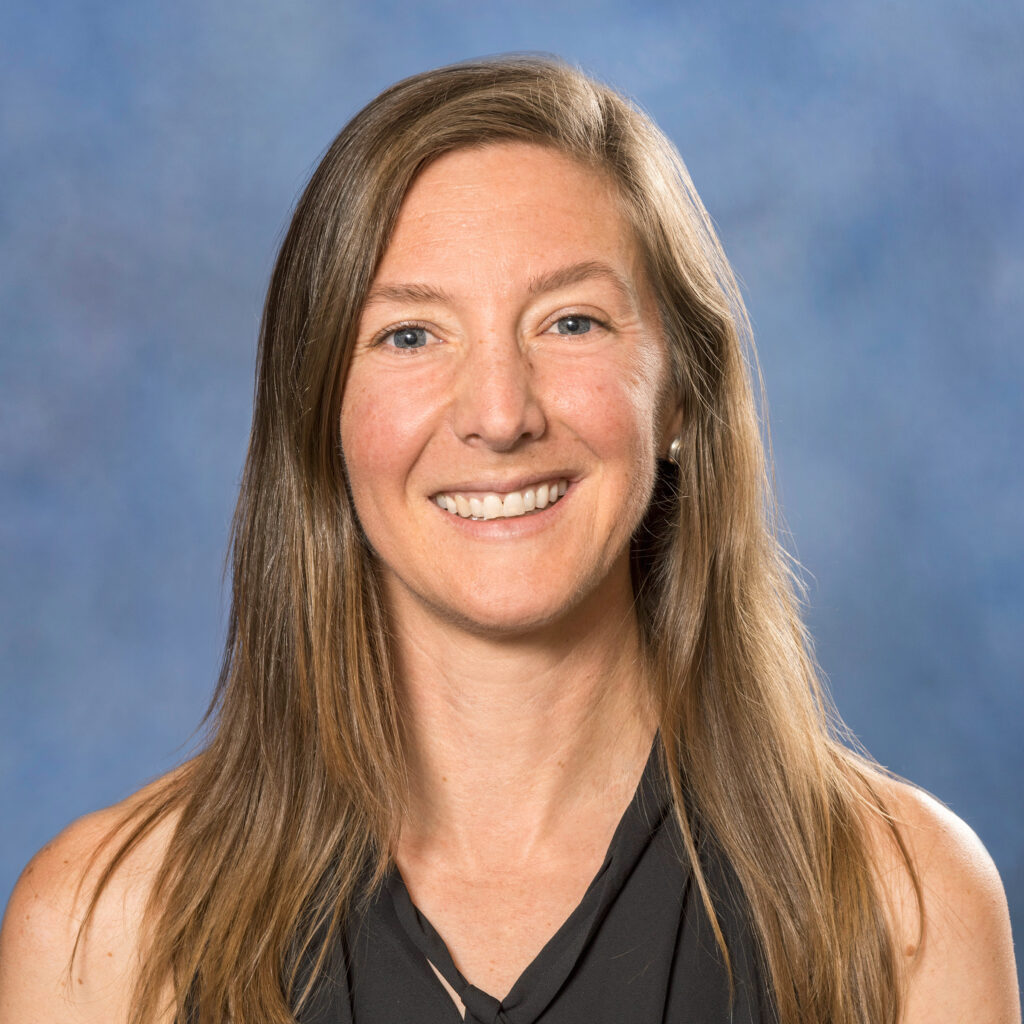
- Fri, Oct 23 · 9:35 AMGreat HallWatch Duty Meets State Government: A New Approach to Disaster Resilience
Paris has been at the ODOT Climate Office for five years and currently leads the Adaptation and Resilience Program. She is the co-author of ODOT’s Adaptation and Resilience Roadmap, which includes a robust climate hazard risk analysis for the state highway system, including hazard maps available for public use.
- Thu, Oct 22 · 4:15 PMGreat HallRelationships as Resilience: Why the COAD Model Works
I work as the Preparedness, Response, and Recovery Coordinator for CCVOAD. Before this, I was with an international NGO in different countries and took part in several disaster relief efforts, which had a big impact on me. I enjoyed being able to provide solutions in the midst of chaos, loss, and devastation. It’s a privilege to work in this field, especially in my own community. I’m also a certified athletic trainer on the sports medicine team, with experience in various settings from Olympic level to youth. I enjoy working in a team and making a positive impact on others’ lives. Outside of work, I love to travel, paddle, and hike in the PNW.
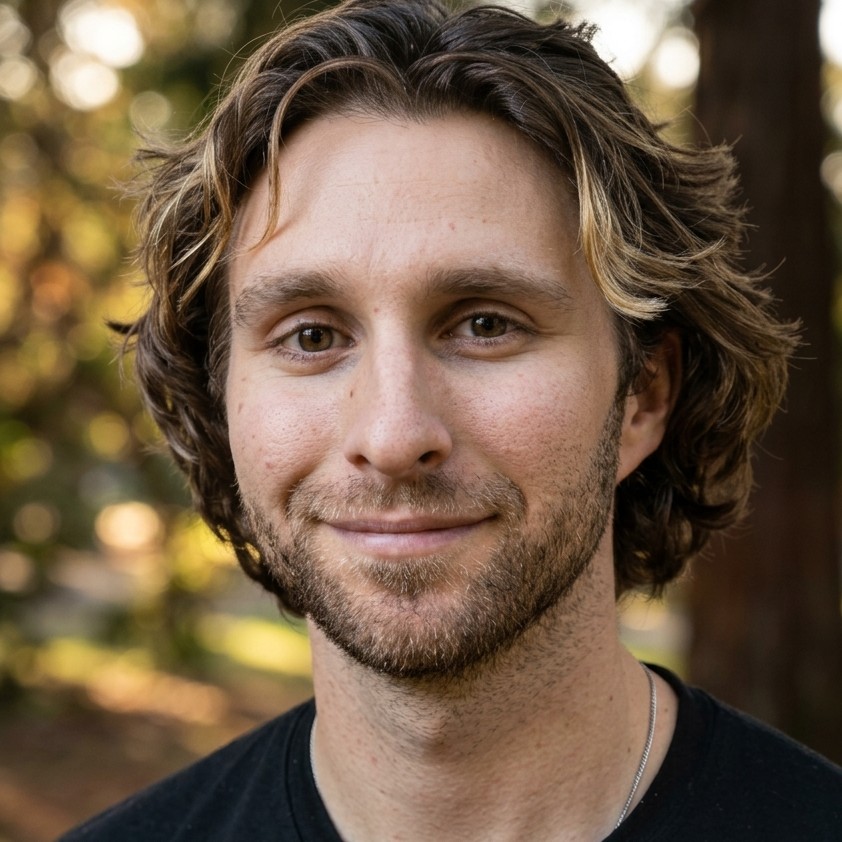
- Fri, Oct 23 · 9:35 AMGreat HallWatch Duty Meets State Government: A New Approach to Disaster Resilience
Colton Duval is part of Watch Duty’s founding commercial team, helping organizations protect the people, assets, and infrastructure exposed to wildfire risk. Growing up in Southern Oregon, he saw firsthand the impact of wildfires on his community and the difference Watch Duty made when it arrived in the Rogue Valley. Today, he lives in the Rogue Valley with his wife and two kids under two, spending his free time mountain biking, snowboarding, and exploring the hills he grew up around.
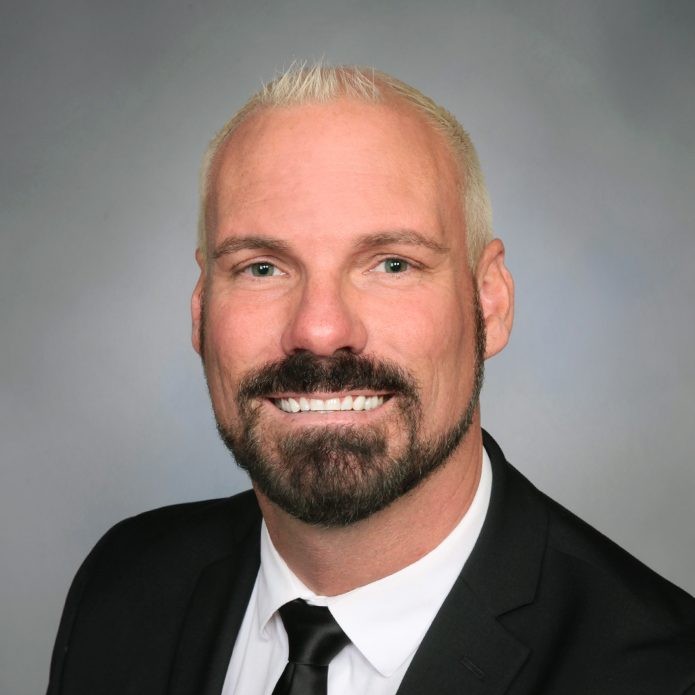
- Thu, Oct 22 · 2:25 PMGreat HallWe Can’t Afford That: How Rural Oregon Learned to Expect Less
Lehi Dowell serves as Deputy Director of Community & Economic Development for CCD Business Development Corporation, the federally designated Economic Development District serving Coos, Curry, and Douglas counties in southwest Oregon. He leads regional initiatives focused on helping rural communities move complex infrastructure, community development, economic development, resilience, and revitalization projects from identified needs toward funding and implementation. Over the past five years, Lehi has helped secure more than $50 million in infrastructure funding for communities across southwest Oregon, leveraging state and federal resources to advance critical investments in rural communities that often lack the staffing and capacity to pursue complex funding opportunities on their own.
Lehi Dowell serves as Deputy Director of Community & Economic Development for CCD Business Development Corporation, the federally designated Economic Development District serving Coos, Curry, and Douglas counties in southwest Oregon. Over the past five years, he has helped secure more than $50 million in infrastructure funding for southwest Oregon communities while leading and supporting initiatives in infrastructure and community development, predevelopment, brownfields revitalization, rural business development, technical assistance, and resilience planning. A seasoned conference presenter and panelist, Lehi has presented on community and economic development issues to professional and public-sector audiences across the country.
Lehi’s connection to rural Oregon is also deeply personal. Raised in rural Douglas County in significant poverty, he learned early how circumstances can shape the expectations placed on people and communities—and how important it can be to challenge them. From advocating for his place in advanced coursework in high school to leaving Oregon to pursue higher education, his own experience informs his belief that limited resources should never automatically define what people or communities believe is possible. Lehi is now a Ph.D. student in Planning, Governance, and Globalization at Virginia Tech’s School of Public and International Affairs (SPIA), where his academic interests complement his applied work in rural development, governance, institutional capacity, and cross-sector collaboration. He also participated throughout the Southwest Regional Resilience Forum process supporting development of the Plan for a Resilient Oregon.
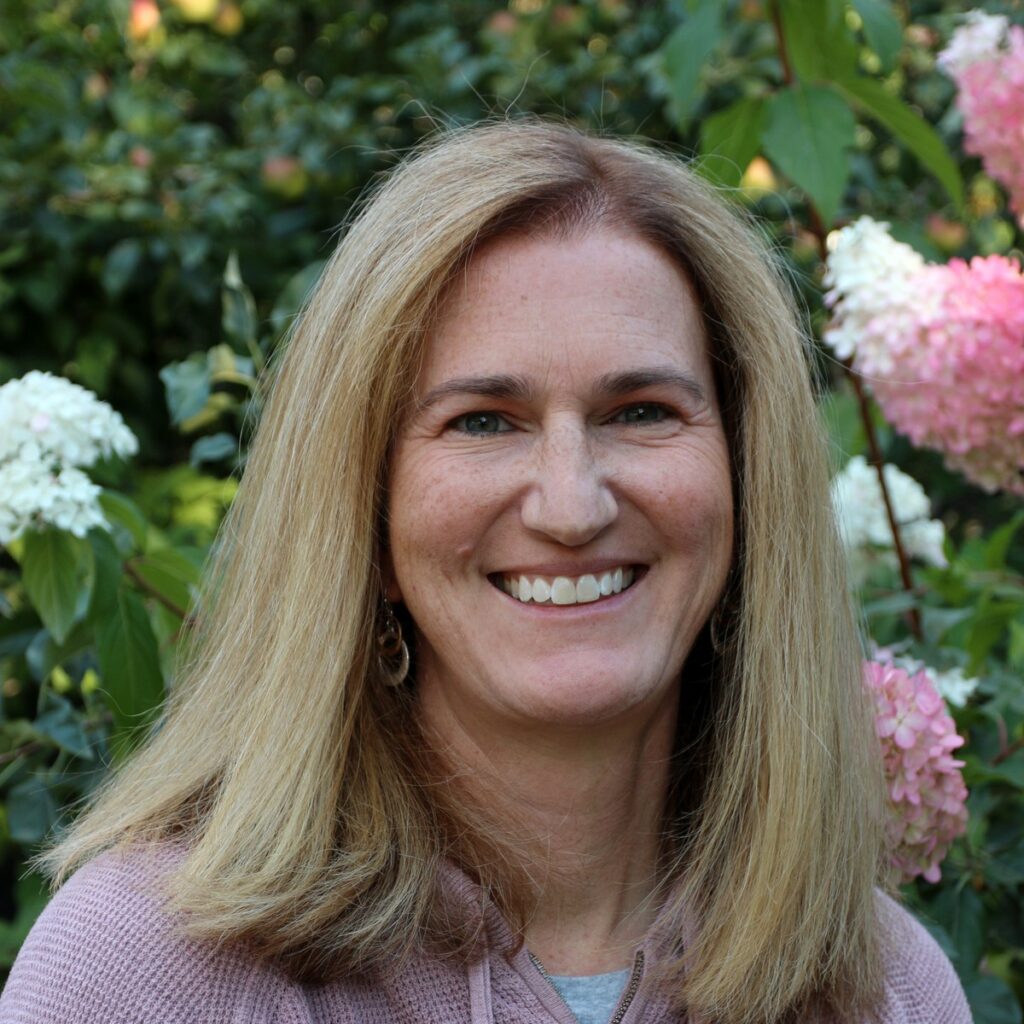
- Fri, Oct 23 · 11:20 AMFireside RoomFirewise Landscaping: Campaigning for Wildfire Risk Reduction Practices
Amy Jo Detweiler, Professor and Extension Horticulturist, is responsible for teaching and outreach in community and commercial horticulture in the high desert environment of Central Oregon working with homeowners and green industry professionals. She specializes in sustainable landscape practices including waterwise gardening, firewise landscaping, and backyard food production. She is also responsible for training and managing an active group of master gardener volunteers for a tri-county region.
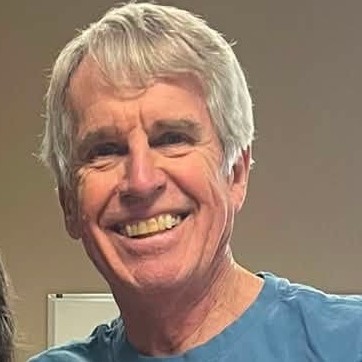
- Wed, Oct 21 · 4:20 PMGreat HallLa Pine Basin All-Lands Partnership: Enhancing Forest & Community Resiliency in Central Oregon
Monte promotes defensible space to create safer neighborhoods for residents and providing a safer environment for firefighters responding to a wildfire. He is a Partner Member of the La Pine Basin All-Lands Partnership.
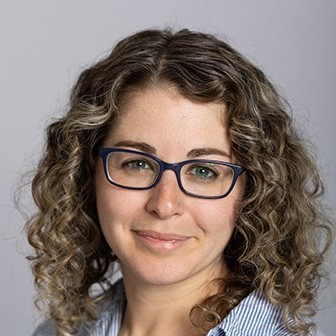
- Fri, Oct 23 · 11:20 AMFireside RoomFirewise Landscaping: Campaigning for Wildfire Risk Reduction Practices
Ariel Cowan is a Regional Fire Specialist for Oregon State University Extension and serves Central and South Central Oregon. She spends much of her time offering educational programs on wildfire home protection strategies, fire ecology, prescribed burning, and connecting communities to wildfire resources. Her research has included the impacts of fire on soil and forest recovery. She developed a passion for sharing about fire history and community preparedness through her work as a professor of practice, biologist, stewardship forester, and wildland firefighter.
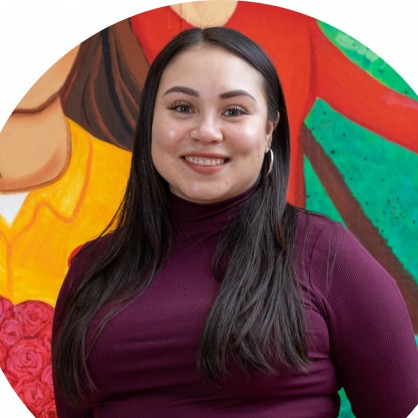
- Thu, Oct 22 · 8:30 AMFireside RoomReimagining Disaster Recovery Through Transformational Resilience
I am a proud first-generation Mexican American Latina from Woodburn, Oregon, and the daughter of immigrant parents from Jalisco, Mexico. As the oldest of four children, I was the first in my family to attend college and graduate from Western Oregon University with a degree in Social Science, with a focus on Sociology, and a minor in Business. Today, I serve as the Executive Director of Centro de Servicios Para Campesinos, the same organization that once helped my own father on his path to legalization. It’s an honor to now lead the very work that uplifts and empowers our immigrant community.
I served on the Woodburn City Council for five years, from May 2019 to December 2024, as the only Latina representative during my tenure. As a single mother and lifelong Woodburn resident, I’m deeply committed to creating a more inclusive and connected city, especially for families like mine. My priorities have centered on connecting immigrant, farmworker, and BIPOC community members to vital services, resources, and ensuring they feel seen, supported, and truly at home where they live and work.
- Wed, Oct 21 · 1:10 PMGreat HallRangeland Fire Protection Associations & Oregon Department of Forestry
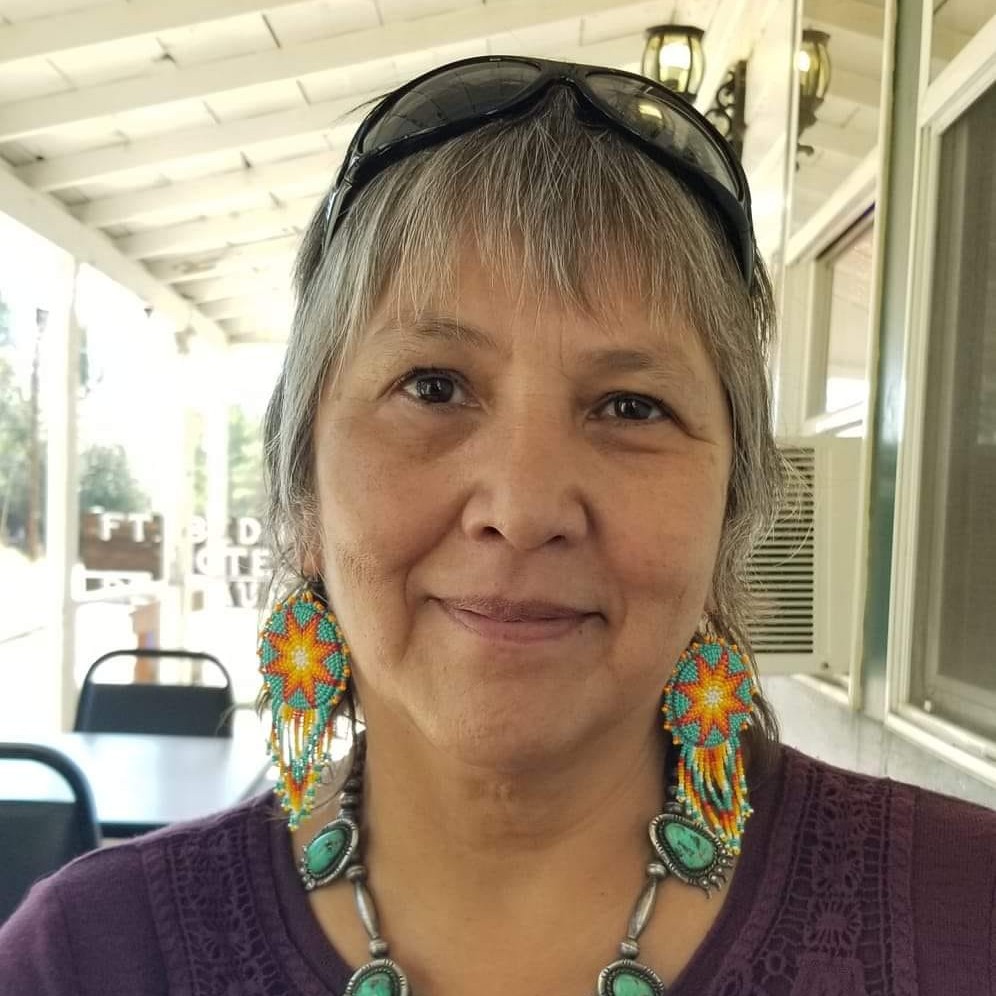
- Wed, Oct 21 · 12:00 PMGreat HallLand Acknowledgement with Musical Accompaniment
- Thu, Oct 22 · 8:05 AMGreat HallDaily Welcome & Reflection
- Thu, Oct 22 · 12:45 PMGreat HallTribal Ecocultural Stewardship: Developing the Next Generation of Leaders for Resilient Landscapes & Communities
Elected Elder, Kosealekte Band Pit River, Northern Paiute, Isleta Pueblo
Belinda Brown, an enrolled member of the Kosealekte Band of the Pit River Tribe and Northern Paiute descendant, leads Lomakatsi’s Tribal Partnerships Program and co-founded and chairs the Inter-Tribal Ecosystem Restoration Partnership. With a 40-year career spanning tribal governance, business ownership, federal contracting, and nonprofit leadership, she has been instrumental in advancing forest and watershed restoration across tribal trust and ancestral lands.
Working closely with Lomakatsi’s Executive Leadership Team, Belinda co‑led the establishment of the Inter-Tribal Indian Youth Service Corps and secured the organization’s designation as a Forest and Conservation Registered Apprenticeship Program. This work also affirmed Lomakatsi’s standing as a Proud Member of The Corps Network and its eligibility under the Public Land Corps Hiring Authority.
She also contributed to strengthening Lomakatsi’s organizational development, co‑creating board governance structures, and establishing best practices in health, safety, and positive youth development across workforce, education, and training programs. Her background in crisis response supported Lomakatsi’s role as an Oregon Community-Based Organization during the pandemic, coordinating services across three counties.
As a trusted community liaison, Belinda engages with tribal elders, tribal councils, cultural resource monitors, and department staff, fostering effective and mutually beneficial partnerships among tribal communities, federal agencies, and nonprofit organizations.
In her off-time, she enjoys hiking, swimming and music.
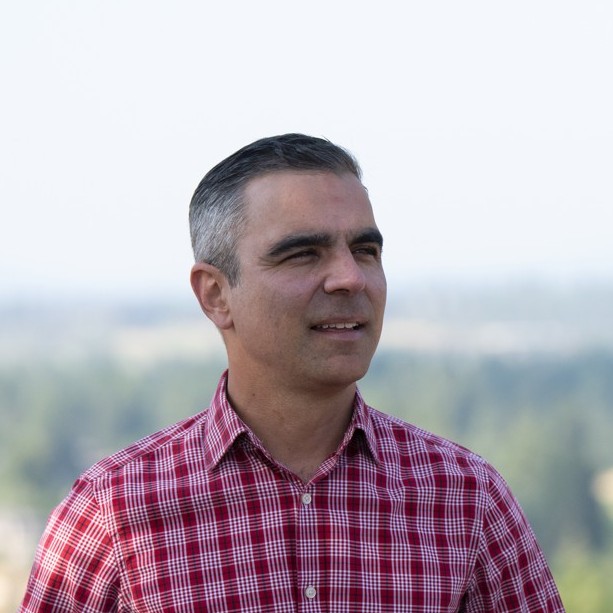
- Fri, Oct 23 · 8:15 AMGreat HallResilience Hubs: Securing Our Future
Jenn Bosch serves as Grants Program Administrator for the Oregon Department of Human Services Office of Resilience and Emergency Management (OREM). She the project lead for ODHS Resilience Hubs and Networks work program, including administration and continued development of the statewide grant program, implementation of ORS 409.760 and OAR 407-100, supporting continued resilience investments including OREM’s community Stockpile and Typed Package efforts, and related policy and rule development. Jenn also manages major resilience investments including OREM’s community Stockpile and Typed Package efforts. She works with grant recipients, community partners, vendors, and others to move resilience investments from planning through implementation. Her work focuses on strengthening community capacity and continually improving how Oregon supports Resilience Hubs and Networks across the state.
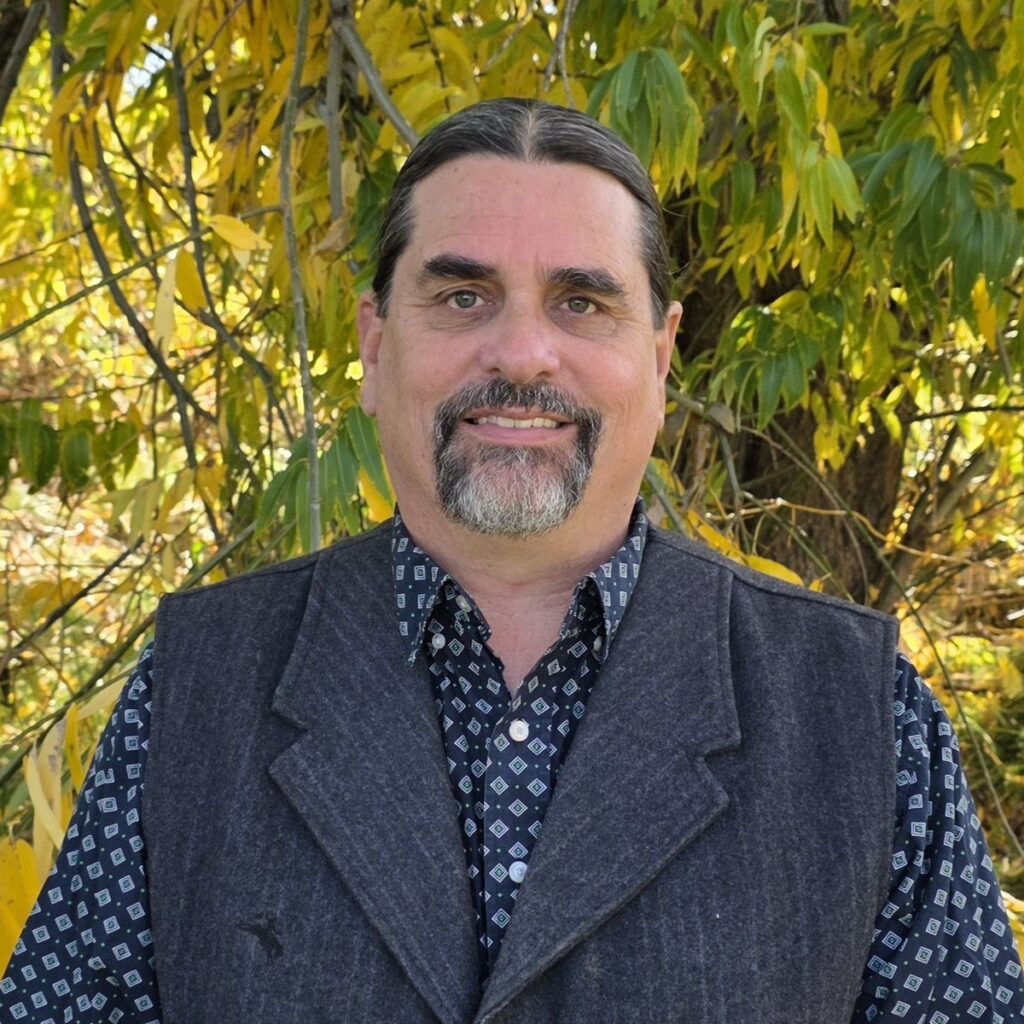
- Wed, Oct 21 · 12:20 PMGreat HallSetting the Stage: Content & Connections
- Wed, Oct 21 · 4:20 PMGreat HallLa Pine Basin All-Lands Partnership: Enhancing Forest & Community Resiliency in Central Oregon
- Thu, Oct 22 · 8:05 AMGreat HallSetting the Stage: Content & Connections
- ModeratorThu, Oct 22 · 12:45 PMGreat HallTribal Ecocultural Stewardship: Developing the Next Generation of Leaders for Resilient Landscapes & Communities
- Fri, Oct 23 · 8:00 AMGreat HallSetting the Stage: Content & Connections
- Fri, Oct 23 · 1:25 PMGreat HallClosing Statements
Executive Director and Lomakatsi’s Founder, Marko oversees all aspects of the organization’s efforts, working in close coordination with the Board of Directors. Marko’s central focus is on program and organizational development, project procurement, planning and operations. His other responsibilities include grant writing and fundraising, technical planning, and the management of cooperative agreements, stewardship agreements and contracts.
Lomakatsi’s ten regional ecosystem restoration programs and associated workforce initiatives are a primary result of his work. Most essential has been his leadership in the orchestration and formation of collaborative partnerships—partnerships that are strengthened by a wide variety of stakeholders, including federal and state agencies, Indian tribes, organizations, private landowners and community members.
Marko also serves as one of the core members of Lomakatsi’s Technical Team, working closely with the organization’s staff of ecosystem resource professionals on the overall design of ecological forestry projects, silvicultural prescriptions, habitat restoration and watershed enhancement projects.
Beginning as a tree planter working on federal lands in 1987, Marko has over thirty years of experience in forestry and ecosystem restoration, from the ground up. He has worked throughout six western states and a variety of ecological communities, most extensively in the forests and watersheds of southern Oregon and northern California. With an applied knowledge of restoration practice and local landscape conditions, he has researched, studied, and developed a wide range of ecological forestry and watershed restoration practices. Specific areas of on-the-ground expertise include riparian, oak woodland and mixed conifer restoration, reforestation, restoration forestry, fuels management, technical work, and the development and direction of worker training programs.
Working locally and regionally to advance the full spectrum of ecosystem restoration, green job creation and forest-based community revitalization, Marko served as the Board President of the Northwest Forest Worker Center, as a Board member of the Southern Oregon Forest Restoration Collaborative, and as member of the Klamath-Siskiyou Oak Network. Marko also participates in a variety of strategic coalitions, committees and interdisciplinary teams, both regionally and nationally, contributing to the development and advancement of community-based ecological restoration.
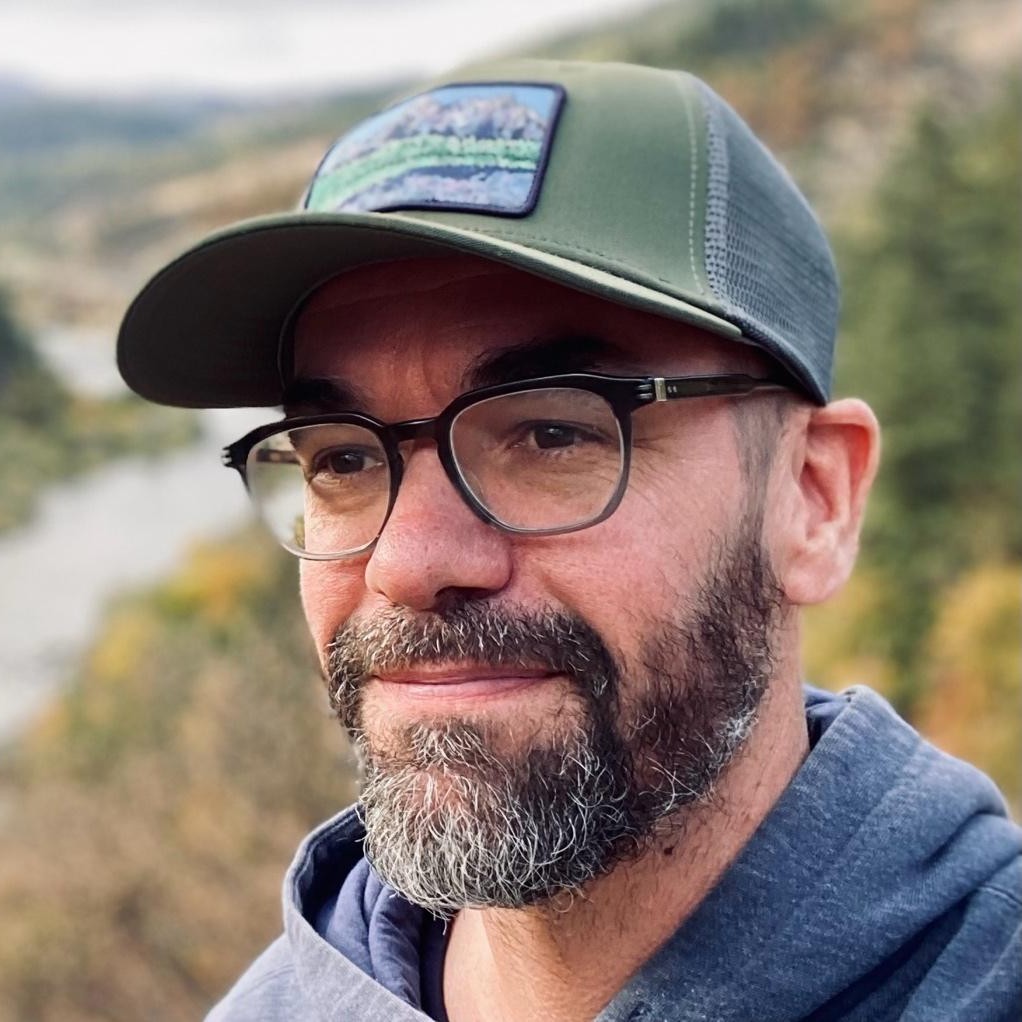
- Fri, Oct 23 · 10:30 AMGreat HallThe University as a Living Laboratory for Resilience
Dr. Bret Anderson is a Professor of Economics and Co-Director of the Institute for Applied Sustainability
(IAS) at Southern Oregon University. Bret directs the Community Resilience and Leadership Student
Fellows Program, which is IAS’s flagship curricular program that blends renewable energy infrastructure, the collective wisdom of community partners, and curricular innovations to create a living laboratory for students. Bret is trained in the macroeconomics of growth and employment, but has applied his efforts to transforming how higher education is done since the twin crises of the Covid disruption and the 2020 Labor Day fires made the need for place-based education more visible to him. Bret holds a BS in Finance from Drake University and a MS and PhD in Economics from Colorado State University.
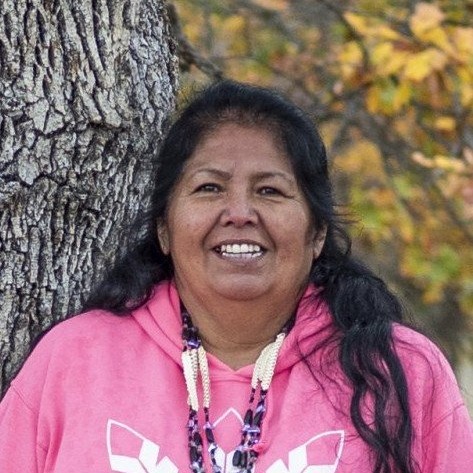
- Thu, Oct 22 · 12:45 PMGreat HallTribal Ecocultural Stewardship: Developing the Next Generation of Leaders for Resilient Landscapes & Communities
Ajumawi Band Pit River, Shasta
Virginia “Ginger” Amoroso is a citizen of the Ajumawi Band of the Pit River Tribe and a Shasta descendant who serves as Lomakatsi’s Cultural Resource Specialist. A skilled basket weaver, oak resources expert, and educator, she helps advance ecocultural stewardship priorities across northern California and southern Oregon. Ginger provides leadership in repatriation efforts across her ancestral homelands and works closely with tribal communities on cultural and heritage initiatives, cultural resource protection, compliance, and the integration of cultural fire and Indigenous Traditional Ecological Knowledge into restoration activities.
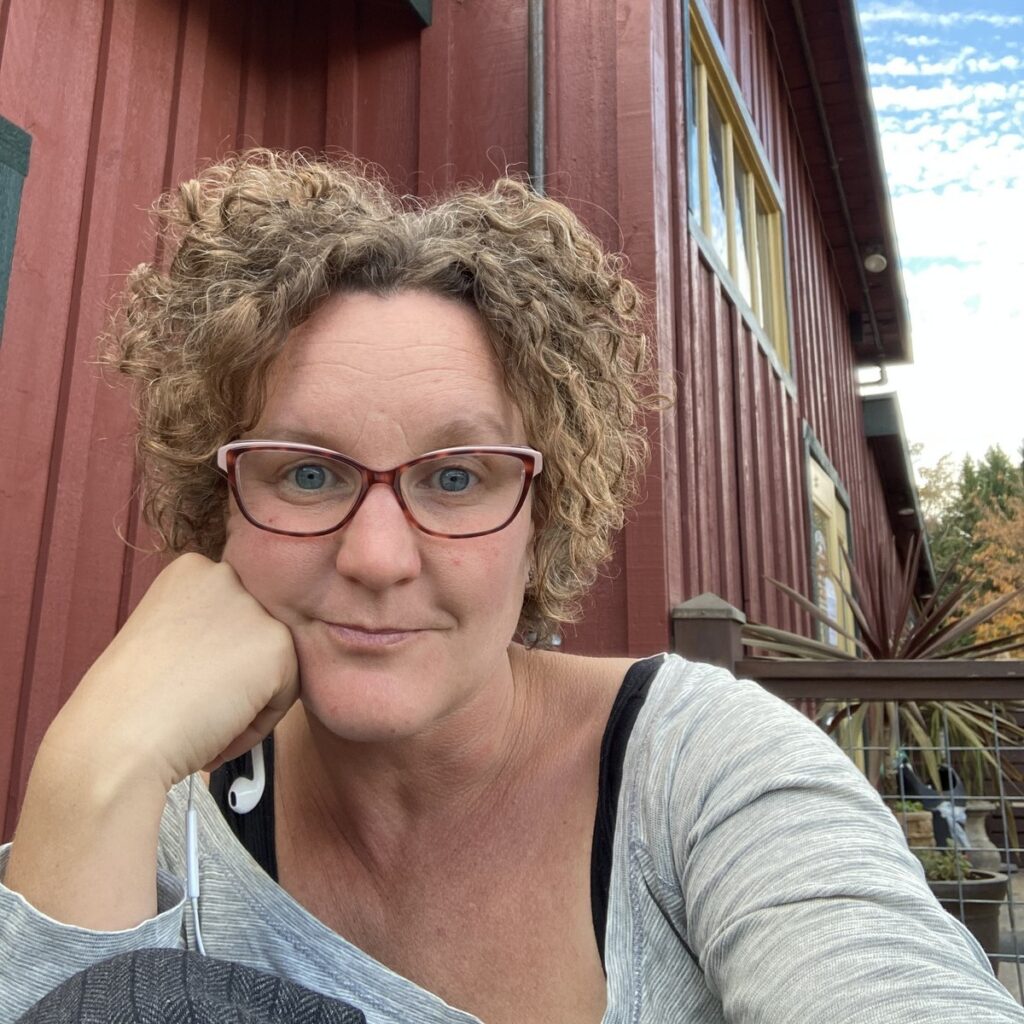
- Wed, Oct 21 · 3:35 PMGreat HallRural Community Building Collective – Conversations between Community Builders: an Approach to Place-Based Resilience
Megan grew up in the heartland and earned her undergraduate degrees in Agricultural Economics and International Relations at the University of Wisconsin before heading West. After exploring several aspects of community organizing, sustainability, and education, Megan earned a master’s degree at Portland State University, focusing on Community Food Systems and Agroecology. Most recently, she has earned a graduate certificate at Oregon State University in Rural Public Policy. Throughout her professional career, Megan has woven together community organizing, food and agriculture, asset-based community mapping, and now rural community building. Megan has worked as a statewide advocate and educator for socially responsible agriculture and as the Education Program Director for a non-profit that aimed to train and assist the next generation of farmers and ranchers. She is currently the Executive Director of A Greater Applegate where she has facilitated the development of the Applegate Valley Vision, an economic development planning process, and the creation of local Resilience Hubs. Megan has lived in the Applegate Valley for 17 years. She also serves as an advisor to the Rogue Valley Food System Network, and is developing skills to consult with other rural communities focusing on community building, resiliency, and relocalization. When not at work, Megan likes to dig in the dirt, walk in the woods, travel, take in some music, be on the water, and spend time with family and friends.
- Fri, Oct 23 · 9:35 AMGreat HallWatch Duty Meets State Government: A New Approach to Disaster Resilience
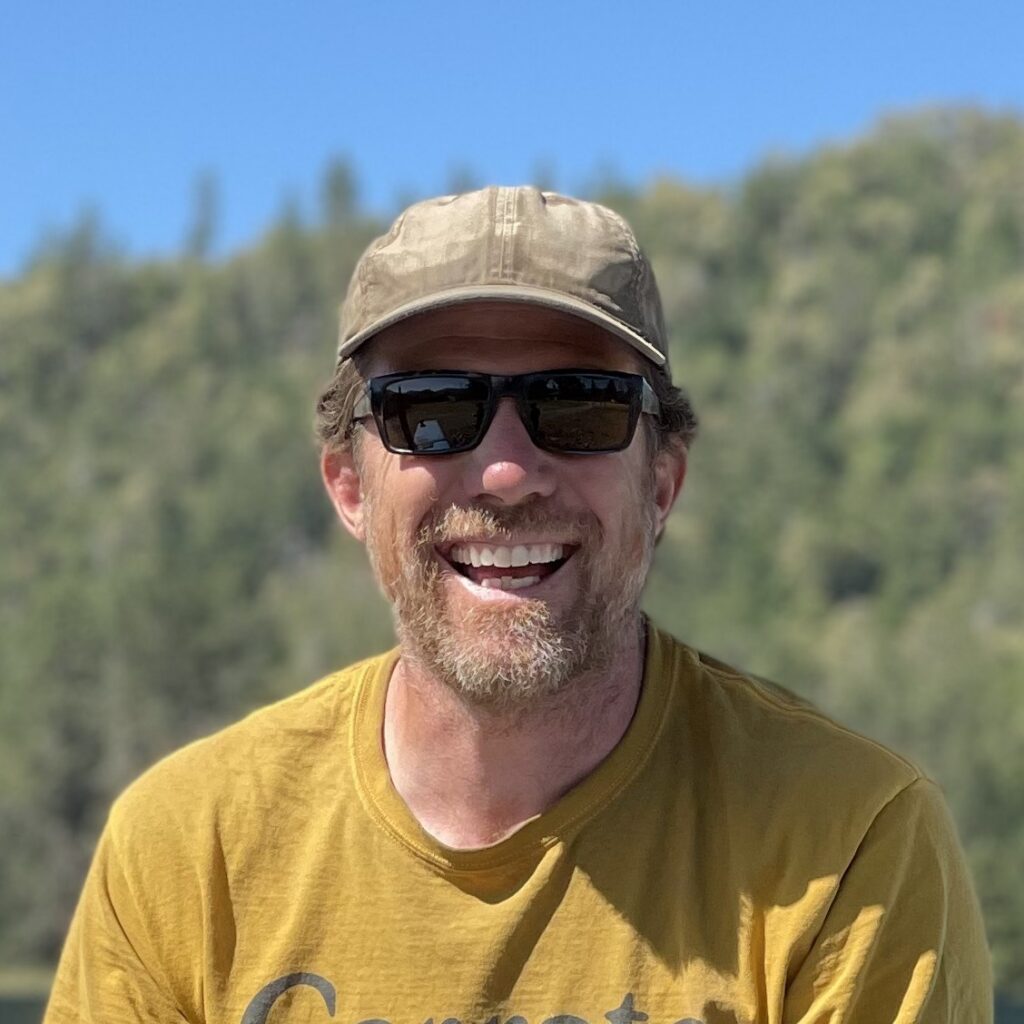
Chris Jagger is the co-owner and operator of Blue Fox Farm in the Applegate Valley, where he runs the Applegate Valley food aggregation hub. He serves as coordinator for the RFABC technical assistance program, a project of RVFSN sponsored by the Oregon Department of Agriculture. He also works independently as a consultant helping farms strengthen their systems and adopt new technologies. Across all of this work, his focus stays the same: building stronger, more resilient food systems to keep communities fed and farmers farming.
- Wed, Oct 21 · 1:30 PMGreat HallPower of SWCD’s: Natural Disaster Response, Recovery, and Resilience
Soil & Water Conservation Districts
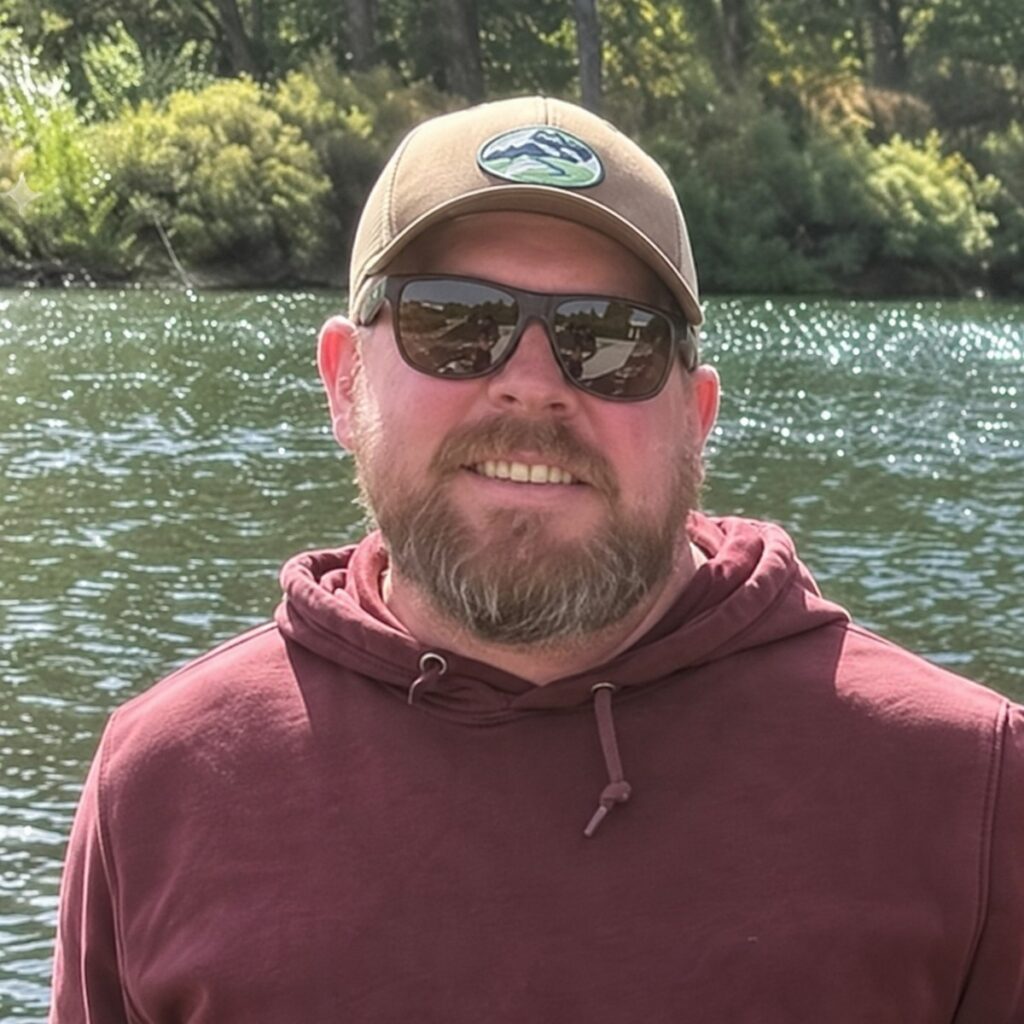
Herb Winters is the District Manager for Gilliam County Soil and Water Conservation District. Born and raised in the Lower John Day Basin, he has worked for conservation districts there since 2008, joining Gilliam SWCD in 2017. He works with farmers, ranchers, and conservation partners to improve streams and rangelands while supporting the agricultural livelihoods that depend on them. His recent work includes wildfire recovery, virtual fencing, and stream restoration to help the landscape better withstand drought and fire. Herb brings a local perspective to the challenges facing rural communities and the practical role conservation districts play in helping landowners get work done. Outside of work, he enjoys hunting and fishing in the country that first sparked his interest in conservation.
- Wed, Oct 21 · 1:30 PMGreat HallPower of SWCD’s: Natural Disaster Response, Recovery, and Resilience
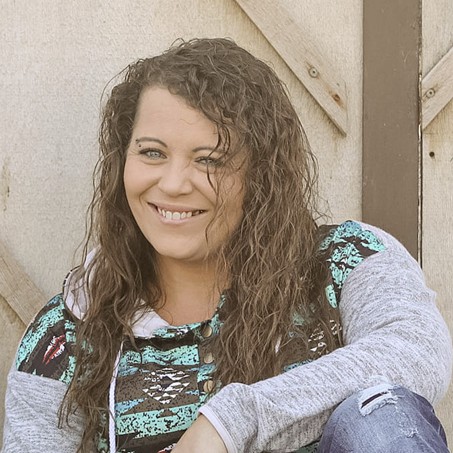
Cassi grew up in Wheeler County on a farm in the Kahler Creek Watershed and has a deep love for the rural Lower John Day Basin. She joined the Wheeler Soil and Water Conservation District (SWCD) in late 2019 as the Office Manager, bringing a background in business operations and accounting. In 2023, she accepted the role of District Manager. Her eagerness to learn and resourcefulness have been key to her rapid gain of knowledge regarding natural resources and conservation. Cassi has led the Wheeler SWCD in playing a critical role in wildfire response and recovery during the 2024 and 2026 extreme seasons while actively working on mitigation/resiliency efforts through restoration projects. When not assisting landowners and teaching kids in her role at the SWCD, or volunteering as a firefighter/EMT, she can be found exploring the outdoors with her young daughter.
- Fri, Oct 23 · 9:35 AMGreat HallWatch Duty Meets State Government: A New Approach to Disaster Resilience
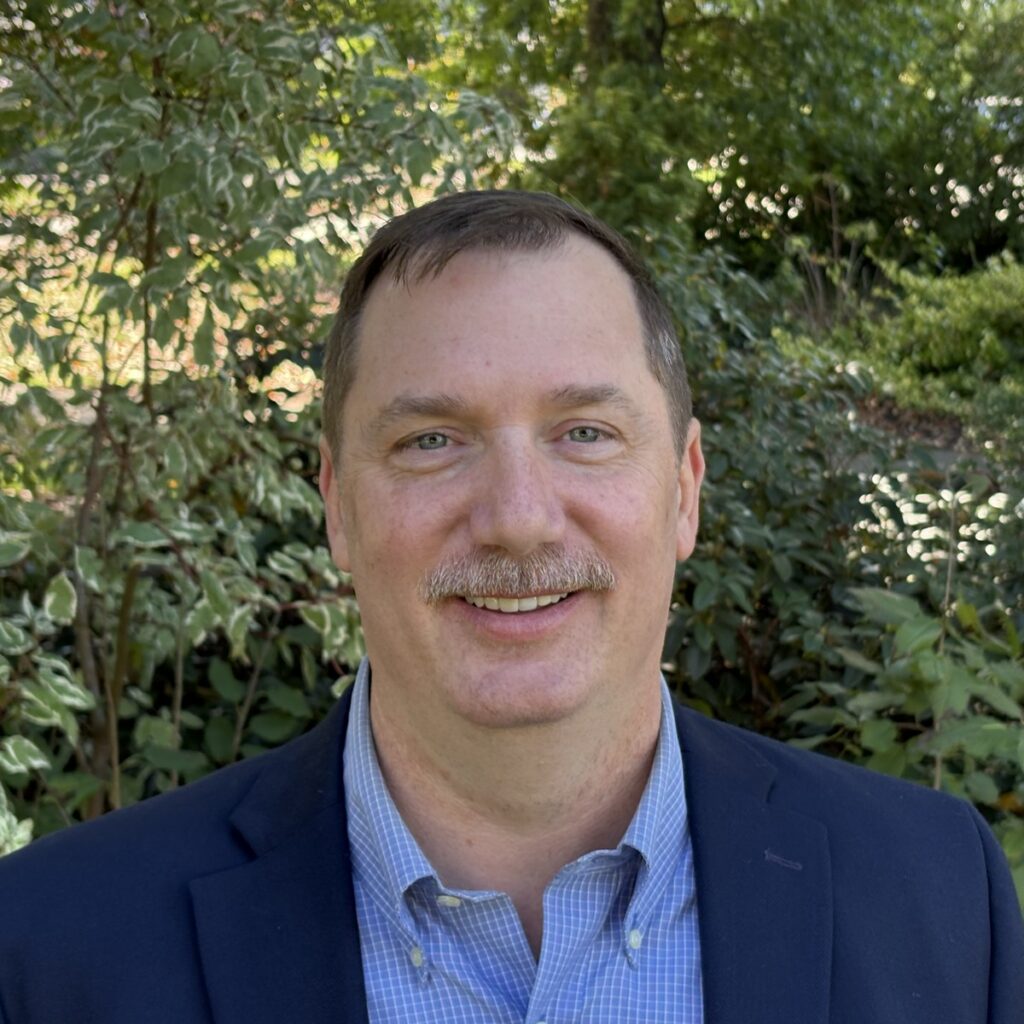
Jim Cupples is a Regional Food Systems Coordinator with the Oregon Department of Agriculture, where he leads supply chain coordination projects focused on strengthening Oregon’s food and agricultural infrastructure. His work includes developing regional food and agriculture business centers, coordinating across state agencies and local partners, and improving how infrastructure and transportation data can be used to support emergency preparedness and economic resilience.
Before joining ODA, Jim worked on economic recovery, broadband infrastructure, agricultural technology, and rural development projects across Oregon and the Pacific Northwest. He holds a master’s degree in Organizational Leadership from Gonzaga University and a bachelor’s degree in Political Science from the University of Oregon.
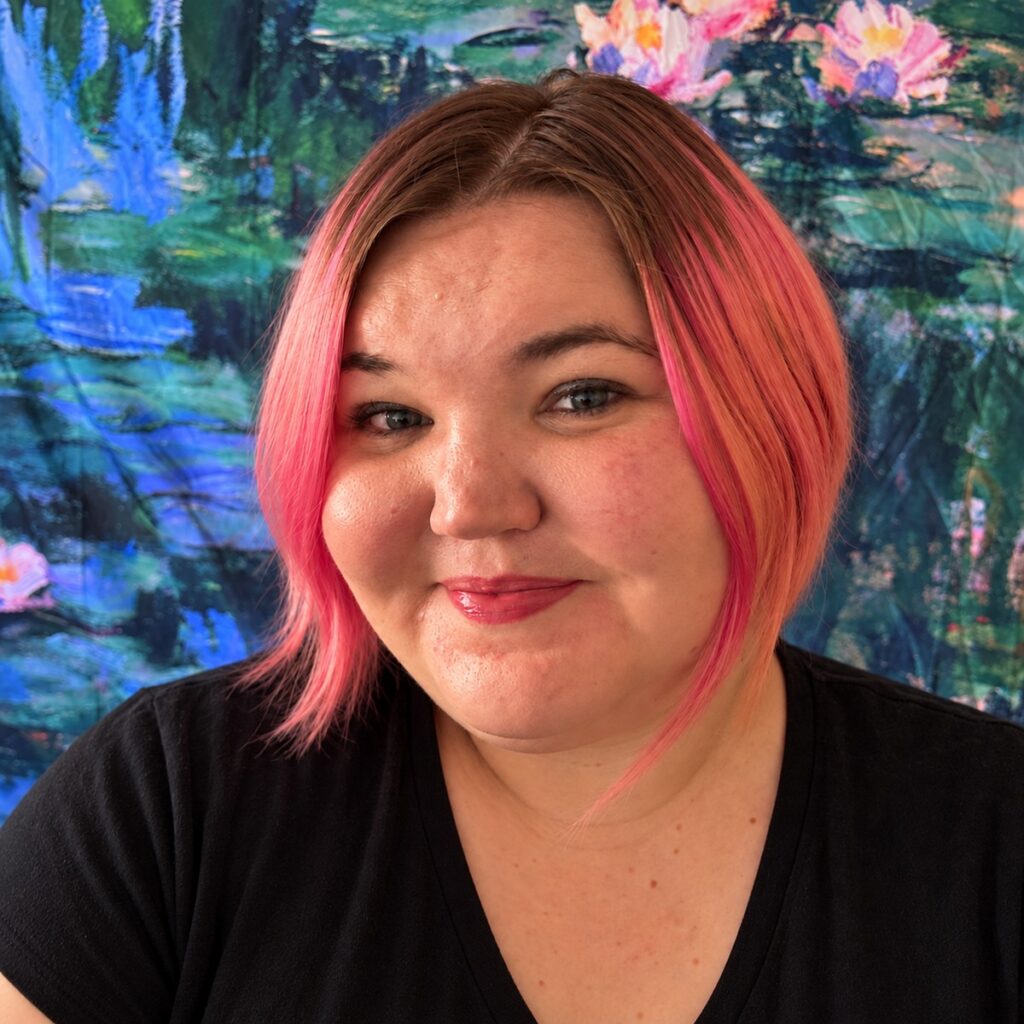
- Fri, Oct 23 · 8:15 AMGreat HallResilience Hubs: Securing Our Future
Avery Pearson is the Outreach Project Manager for South Willamette Solutions, a rural nonprofit serving the Oakridge-Westfir community in Oregon. Her work focuses on community outreach, public health communication, wildfire and smoke preparedness, and connecting residents with resources and services.
Avery works with local governments, nonprofits, public agencies, and community partners to support projects that strengthen rural communities. She is currently involved in the redevelopment of the Willamette Activity Center as a community resilience hub and is particularly interested in how small organizations, local partnerships, and trusted community networks can build resilience in rural areas. Avery holds an M.S. in Management from the University of Oregon and an M.B.A. from Chico State.
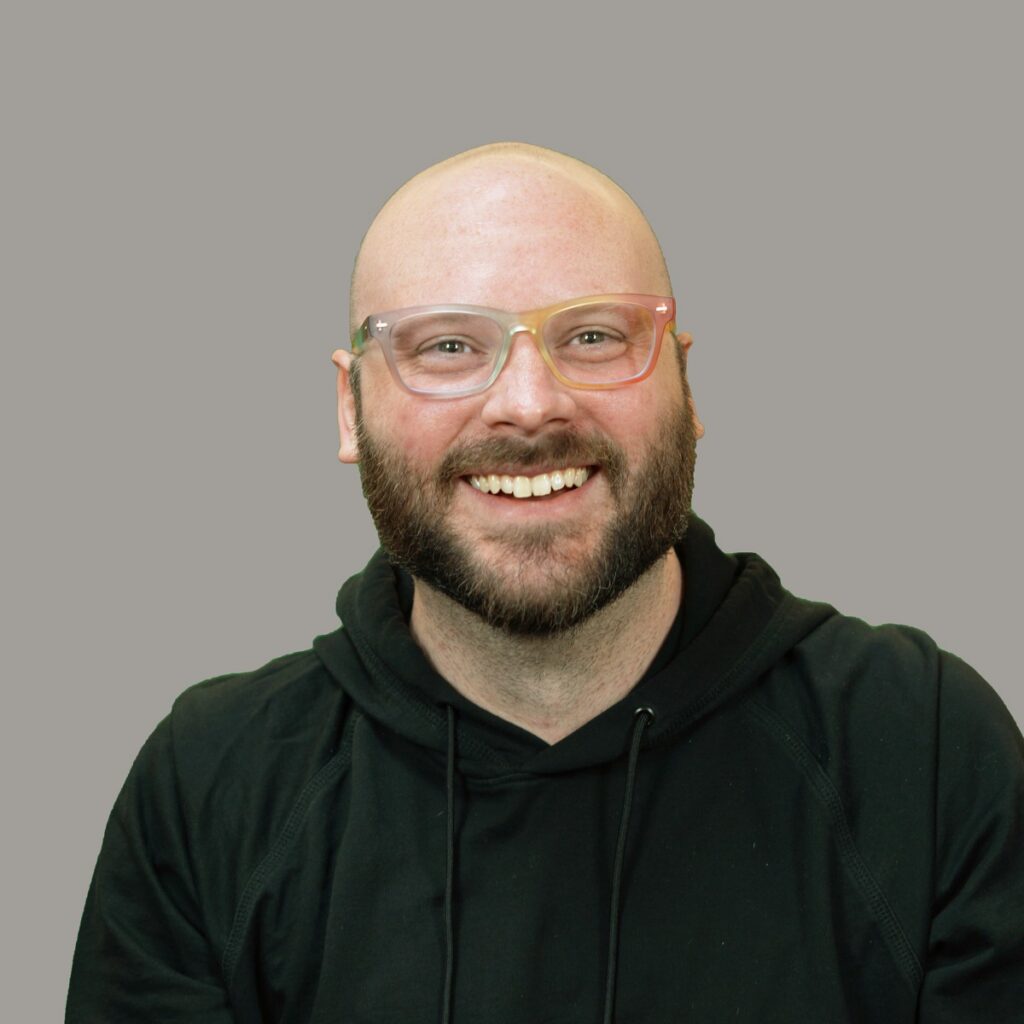
- Fri, Oct 23 · 9:15 AMGreat HallActionable Preparedness: Decentralized Resilience Hubs & Climate-Forward Master Planning
Travis brings over a decade of urban design, planning, and architecture experience with a strong focus on resilient urban systems, sustainable development, mixed-use urban regeneration, and inclusive community-driven placemaking. They specialize in fostering meaningful engagement, ensuring that diverse and informed voices shape the evolution of public spaces, resource networks, and physical & social infrastructure.
With experience spanning entire project lifecycles —from regional framework planning and master plan development to entitlement and implementation— providing him with deep insight into translating visionary concepts into built and performance-meeting environments. He excels at facilitating collaboration across interdisciplinary teams, guiding stakeholders through complex decision-making processes, and aligning multiple projects into cohesive and actionable outcomes.
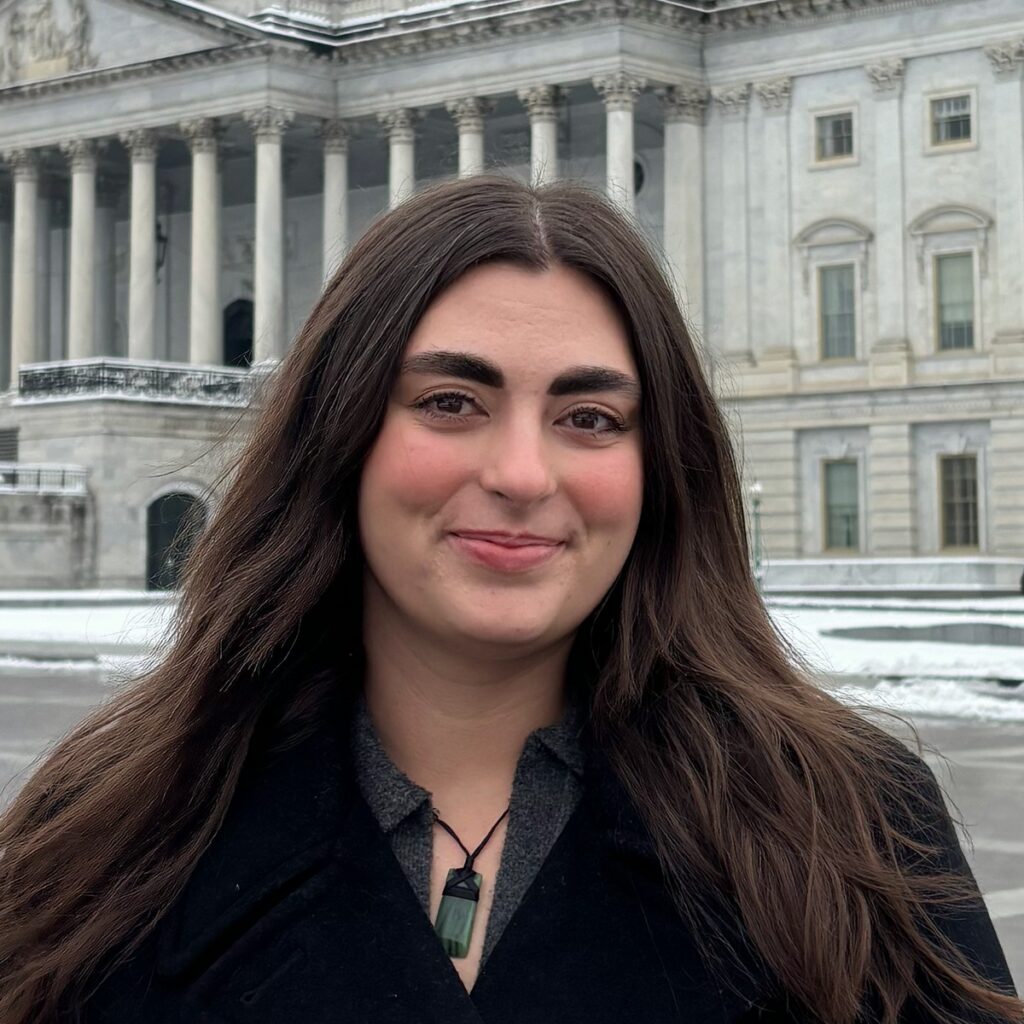
- Thu, Oct 22 · 9:30 AMGreat HallFood Systems & Community Resilience
Sophie is an experienced writer and policy analyst, and holds a graduate degree in climate science & policy from Victoria University of Wellington, New Zealand. Her family has farmed wheat in Eastern Washington for several generations, and she is a passionate advocate for increasing institutional support for climate-resilient farming.
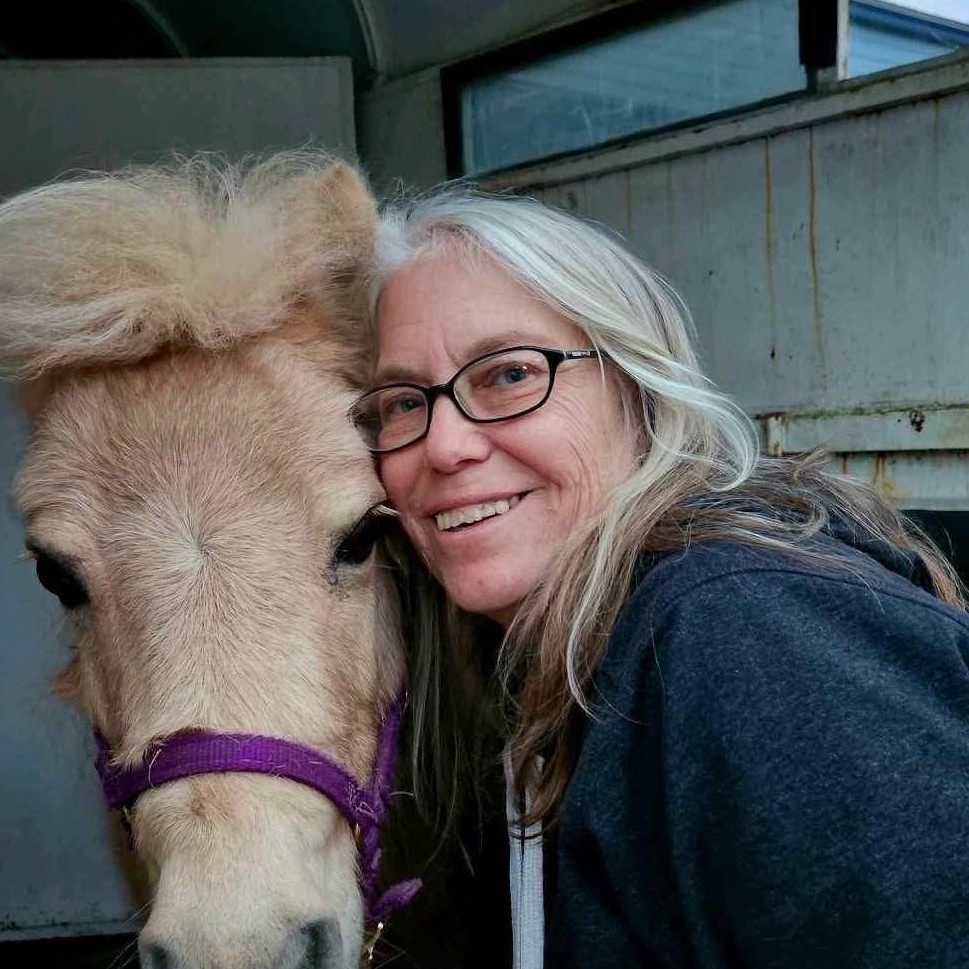
- Thu, Oct 22 · 4:00 PMGreat HallBeyond Disaster Response: COAD’s Evolving Role in Rural Curry County
- Thu, Oct 22 · 4:15 PMGreat HallRelationships as Resilience: Why the COAD Model Works
In August, 2017, while working as a 4-H Educational Program Assistant, Ruth set up and ran the Livestock Evacuation Center for the Chetco Bar Fire, utilizing 4-H members, leaders and community members to handle evacuations along with feeding and care of the animals. She also handled small evacuation situations during the Klondike Fire, the Anvil Fire and the Arizona Beach Fire. Those experiences started her journey towards providing education about emergency and disaster preparedness.. Ruth was hired as the Coordinator for the Curry County Community Organizations Active in Disaster in July, 2025 and stepped into the position of OLC secretary in January, 2026. After owning many types of livestock over the years at their small family farm on the southern Oregon coast, Ruth and her husband have downsized to Twinkie, the mini-horse, Chewbacca, the renegade goat, Agness the anxiety-ridden Border Collie, Shadow, the ancient cat and 16 chickens.
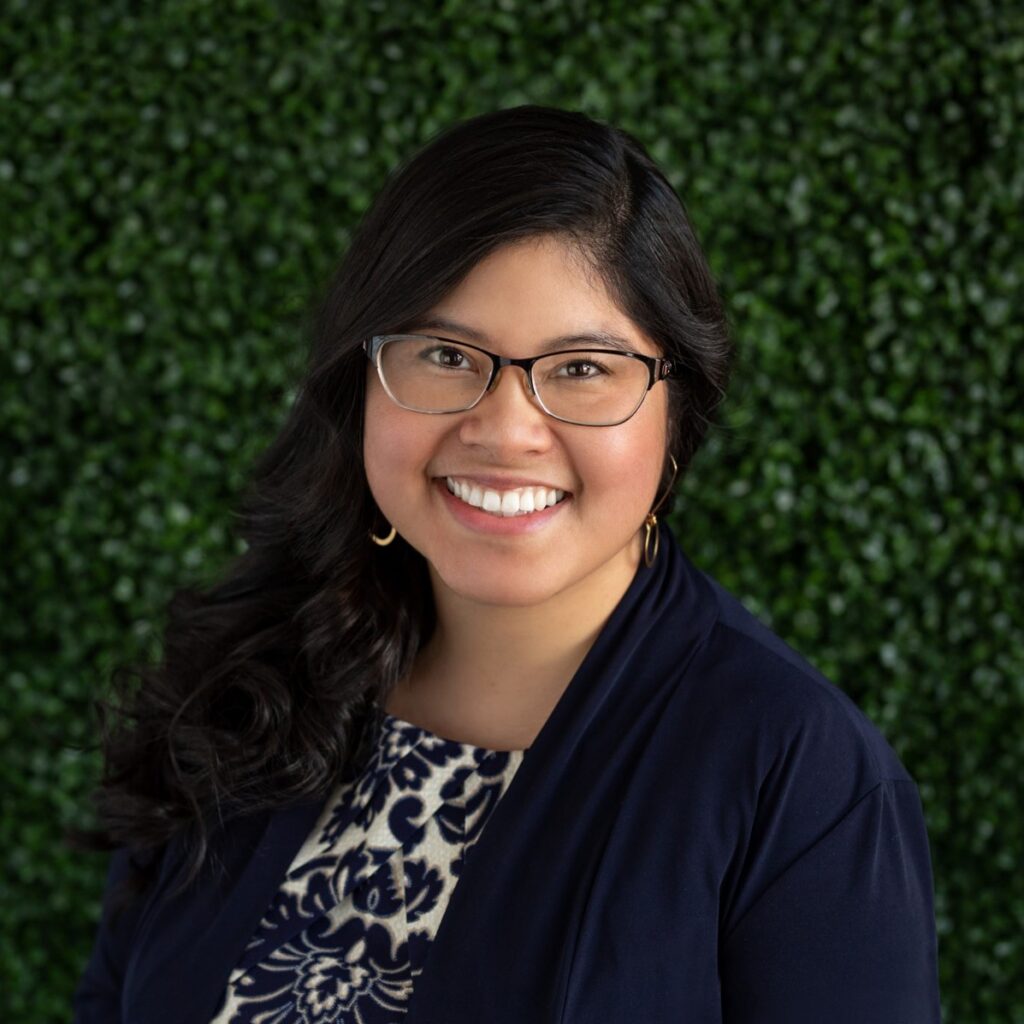
- Thu, Oct 22 · 3:00 PMGreat HallThe Gaps Between Philanthropic & Federal Disaster Aid & Community Needs: What We’ve Learned & Where We Go Next
Cristina Muñoz De La Torre, PhD, is the Founder and Principal of CEED Resilience LLC, an Oregon-based consulting firm that helps communities, nonprofits, and funders strengthen disaster resilience and recovery programs and initiatives. With more than 17 years of experience spanning disaster response initiatives, community planning, research, and policy analysis, she has worked with local and national organizations to develop practical, community-driven solutions for disaster preparedness, recovery, and long-term resilience. Cristina currently supports resilience initiatives in Oregon and across the United States through consulting, facilitation, strategic planning, and capacity-building efforts.
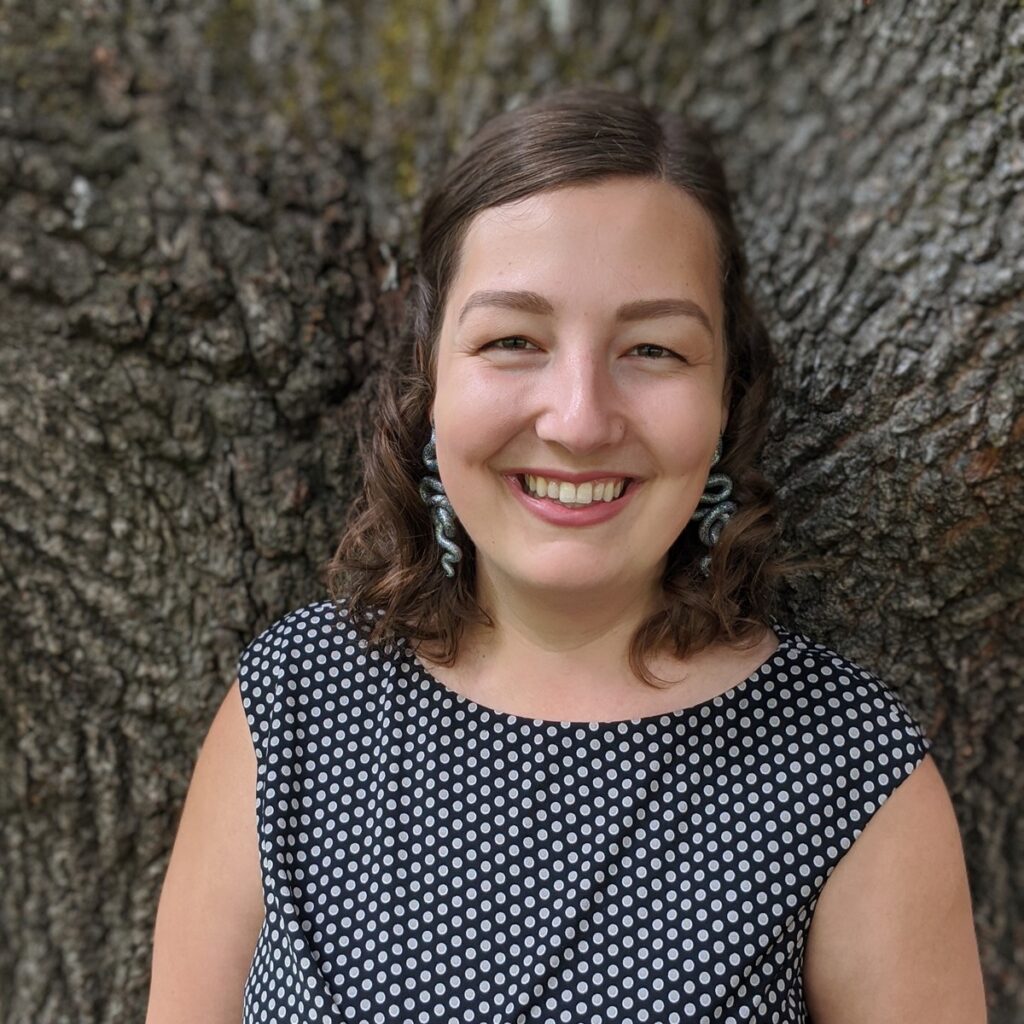
- Thu, Oct 22 · 1:45 PMGreat HallFrom Hazard to Humdrum
- Thu, Oct 22 · 4:00 PMFireside RoomFrom Hazard to Humdrum: Climate Adaptation for a Thriving Future
Grace is a climate and sustainability management consultant at Parametrix, where she supports climate resilience, rural economic development, energy resilience, and community-centered implementation for public agencies, nonprofits, Tribal governments, industry, and partners. She serves in project coordination and program-management roles for state and federal initiatives spanning forest and wildfire resilience, biomass utilization, air quality, energy, and community economic development. Grace also facilitates Oregon’s statewide Biomass Utilization Working Group, bringing together partners across sectors to advance collaborative solutions to forest health, wildfire risk, and rural economic challenges. Her prior experience supporting economic development for the City of Oakridge provides firsthand understanding of the opportunities and implementation challenges facing rural and forest-dependent communities.
- Thu, Oct 22 · 1:45 PMGreat HallFrom Hazard to Humdrum
- Thu, Oct 22 · 4:00 PMFireside RoomFrom Hazard to Humdrum: Climate Adaptation for a Thriving Future
Beth is a senior scientist at Parametrix who applies her analytical and research skills to help clients understand the most up-to-date information about how climate change is going to affect their world and build a plan to thrive into the future. She provides detailed analyses of the best available climate projections to help her team design to future conditions and runs focused workshops so her clients get all the information they need to make critical decisions. For communities, she translates the complex scientific research into understandable information and facilitates discussions with community stakeholders to plan for an equitable and thriving future. Her recent work includes vulnerability assessments for large infrastructure projects for ODOT, King County, and Sound Transit, as well as hazard assessments for cities and counties throughout the northwest region. Beth is also accomplished in GHG accounting and is leading the emissions modeling and mitigation studies for the Interstate bridge program for the I-5 bridge over the Columbia river.
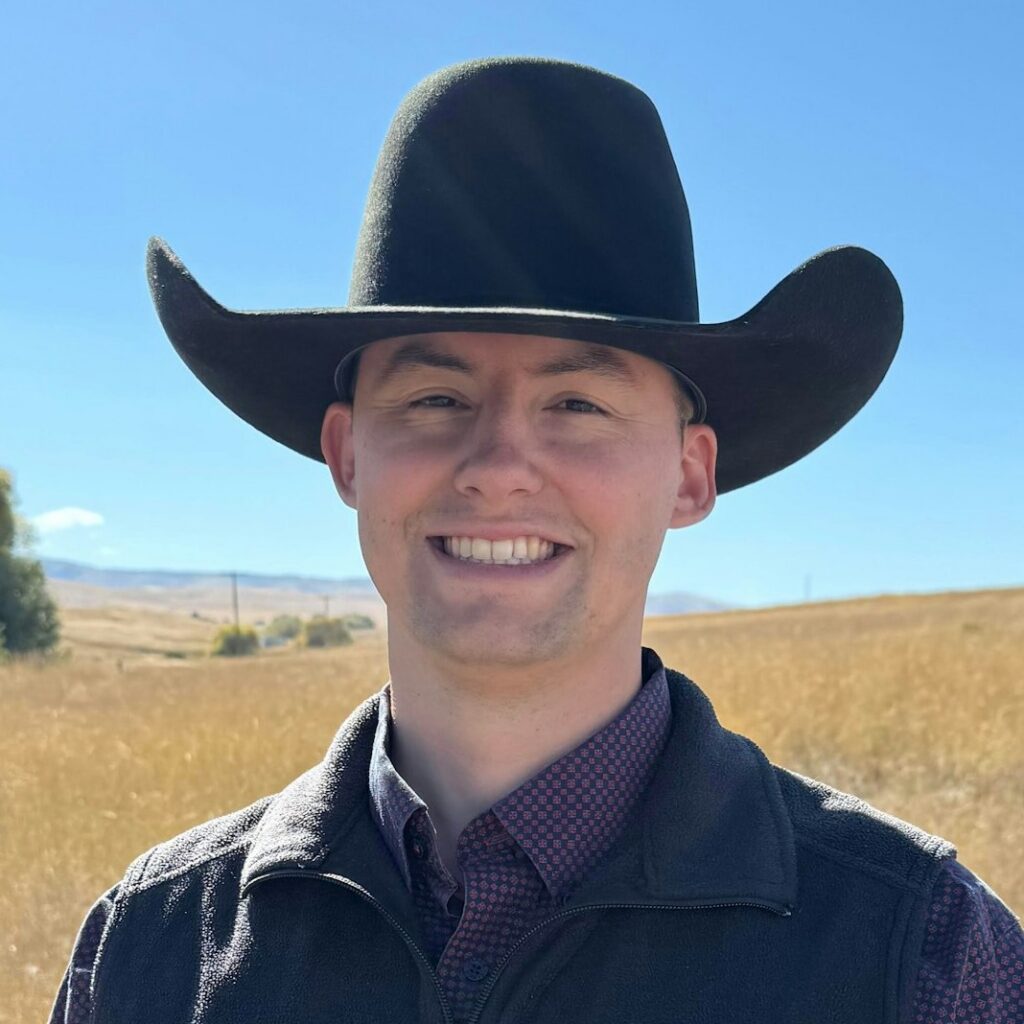
- Wed, Oct 21 · 1:30 PMGreat HallPower of SWCD’s: Natural Disaster Response, Recovery, and Resilience
Soil & Water Conservation Districts
Kyle Waggoner serves as District Manager for the Umatilla County Soil & Water Conservation District. He works with farmers and ranchers, helping them implement programs and strategies to achieve their individual resource goals. Kyle values conservation and believes his work makes a difference for the farmers and ranchers of Umatilla County. Under Kyle’s leadership, the SWCD responded to the 2019 and 2020 floods in Umatilla County by kickstarting recovery and mitigation systems that are still working towards recovery to this day. When not in the office, he can be found working on his family ranch, hunting, fishing, and camping in the great outdoors.
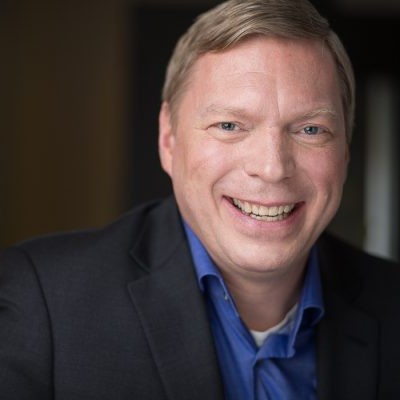
- Thu, Oct 22 · 11:20 AMGreat HallBuilding Belonging: The Science of Connecting for a More Resilient Community
Scott Crabtree is the Chief Happiness Officer of Happy Brain Science and an expert in applying brain science, game design, and behavioral science to help teams thrive at work. After earning a degree in cognitive science from Vassar College, Scott led the design and development of video games and enterprise software before discovering the power of positive psychology in 2003. He left his senior leadership role at Intel in 2011 to found Happy Brain Science. Scott’s repeat clients include DreamWorks, Nike, Kaiser Permanente, Boeing, Activision, and NBC/Universal. His signature approach combines his game-development roots (“we’ll play to learn”) with the latest findings from neuroscience and adult-learning research. Attendees regularly tell him, “I still use that tool six months later.” In his newest keynote, Leading in the Age of AI, Scott helps leaders shift from “knowing a lot” to asking the right questions, cultivating curiosity, and partnering with intelligent systems for better decisions and happier teams. When he’s not on stage helping organizations reinvent how work feels, Scott is outdoors in the Oregon wilderness with his wife, two daughters, and dog, or jamming on his guitar.
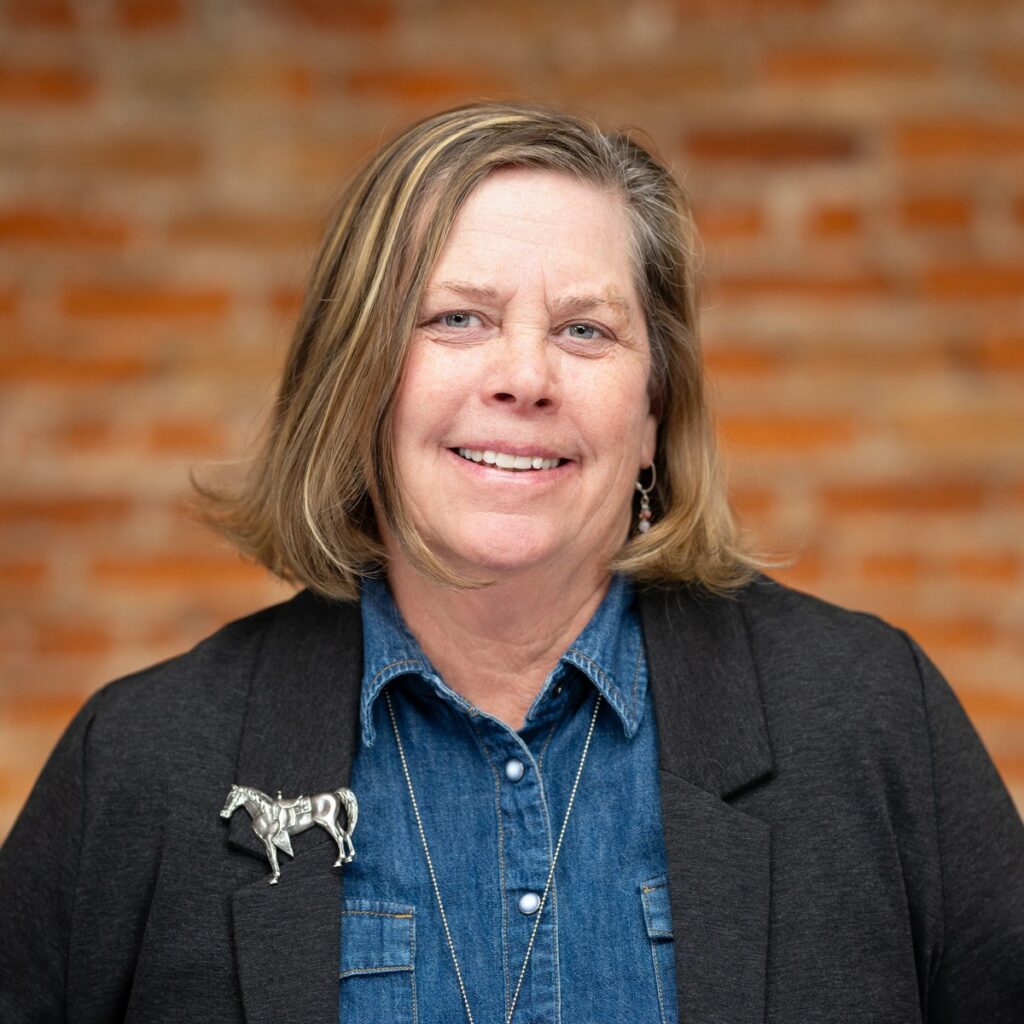
- Wed, Oct 21 · 12:30 PMGreat HallLaying the Groundwork: Harney County Wildfire Collaborative
Laying the Groundwork: Harney County Wildfire Collaborative
Brenda has been the Executive Director of High Desert Partnership since 2015 and her interest in collaborative work started years ago when she trained in facilitation while teaching agriculture courses at Cal Poly San Luis Obispo. Her work has also led her to a deep understanding and appreciation of landscape-scale management and the importance of addressing social issues in management. Brenda believes the High Desert Partnership’s work is important because when there is an organization in a community committed to supporting groups working together, it actually shifts the collective conscience and more positive work gets accomplished.
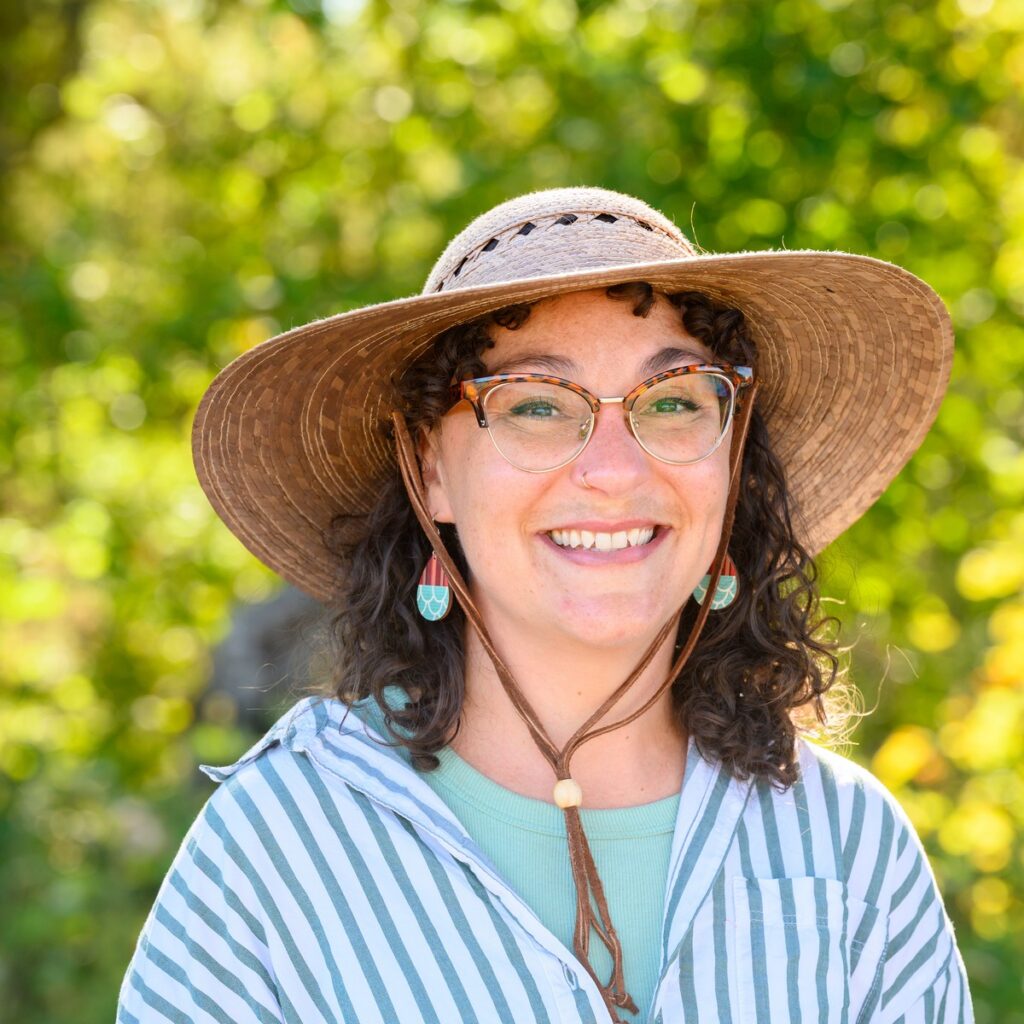
- Thu, Oct 22 · 9:30 AMGreat HallFood Systems & Community Resilience
Cassandra Waterman is the Communications & Outreach Director at the Dry Farming Institute, working at the intersection of agriculture, community, and place. Originally from the Bahamas, she has built her career on the belief that education is most powerful when it’s rooted in relationships and place. She holds an M.S. in Agricultural Education and brings experience in dry farming research, facilitation, and conflict resolution to the work of connecting and amplifying stories from farming communities. Whether organizing stakeholder workshops, co-hosting field tours, or building resources from the ground up, she is drawn to the kind of work that builds capacity and belonging over time.
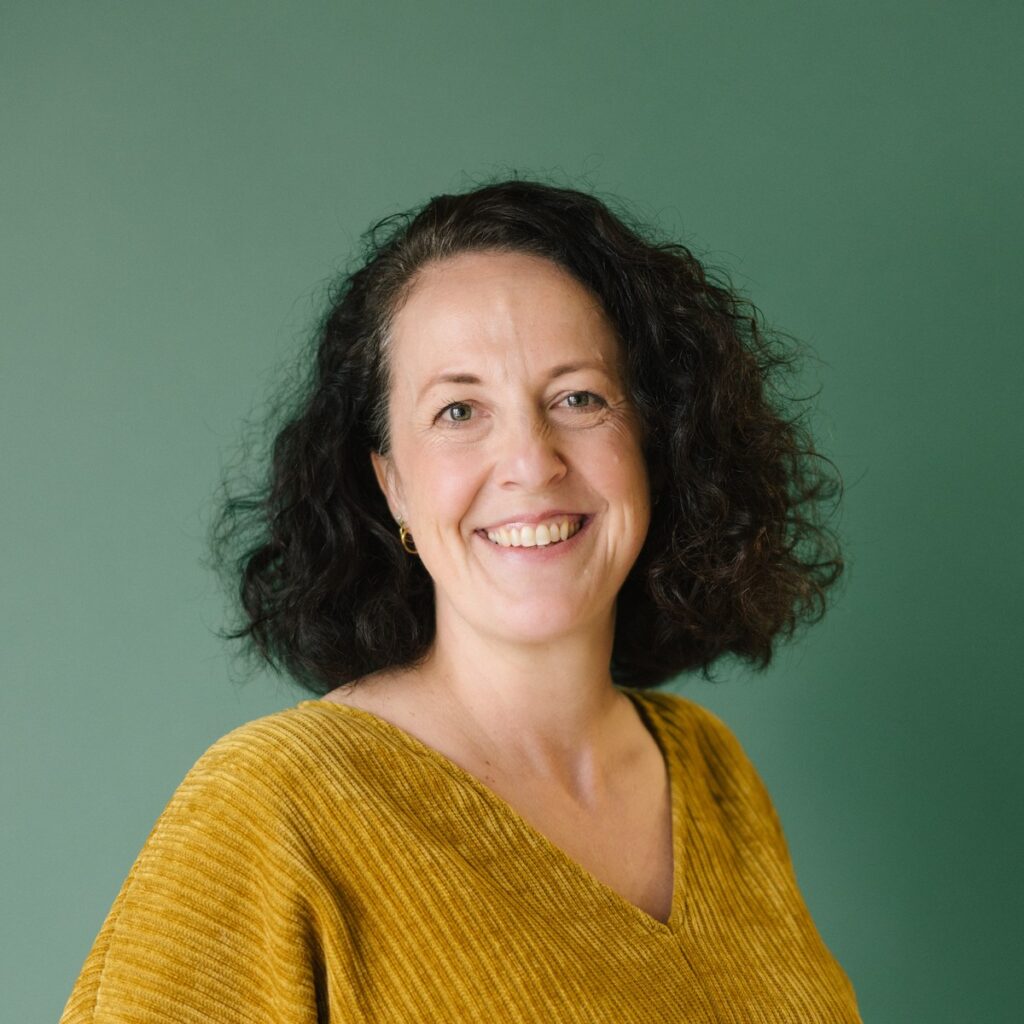
- Thu, Oct 22 · 10:35 AMGreat HallBeyond Shelter: How Food, Beds, & Belonging Build Community Resilience
Amber Ferguson is the Executive Director and co-founder of Rogue Food Unites, where she has transformed food security into an essential component of community resilience. Through innovative partnerships with farmers, restaurants, nonprofits, and volunteers, Rogue Food Unites has built a regional model for ensuring access to fresh, healthy food during times of crisis and recovery. Her work demonstrates that food is not simply aid – it is connection, dignity, and community care.
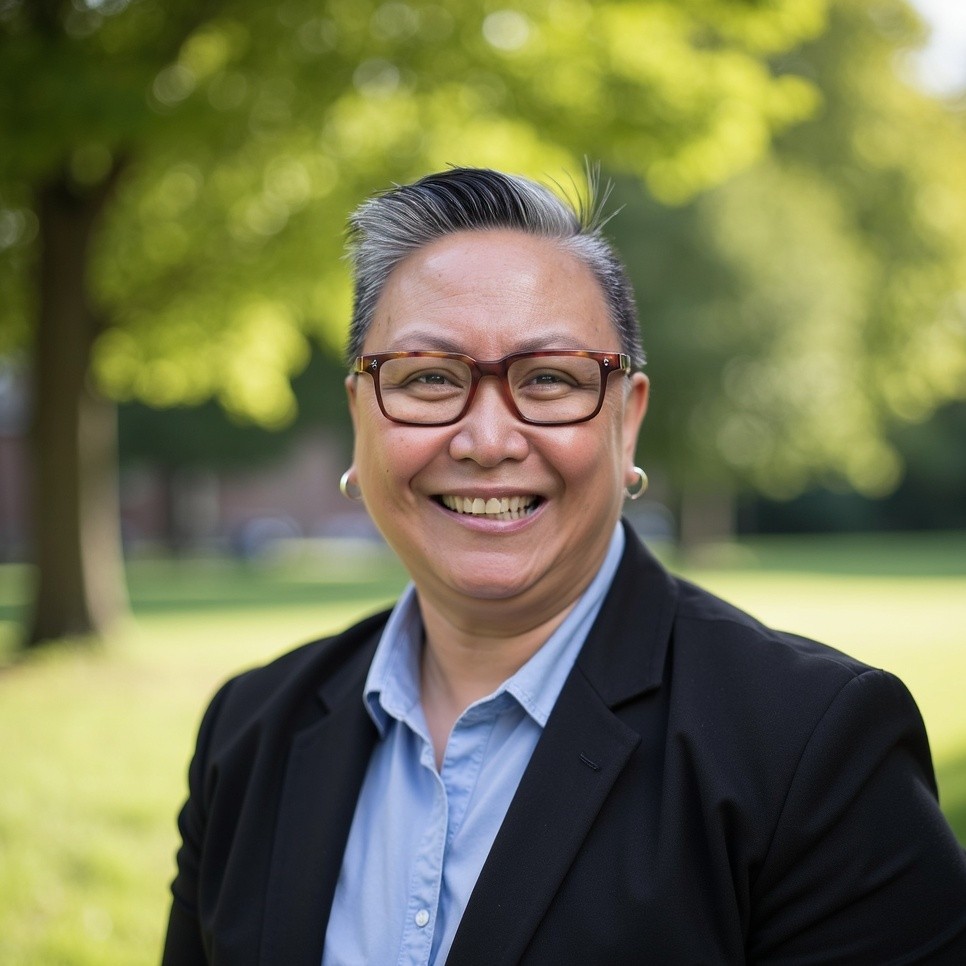
- Thu, Oct 22 · 9:30 AMGreat HallFood Systems & Community Resilience
Hazel Valdez is the Executive Director of the Oregon Farmers Markets Association (OFMA). She is a nonprofit and operations executive having held various leadership positions at Literary Arts, Portland Women in Technology (PDXWIT), and the Oregon Bioscience Incubator (OBI). She was also part of the Women, Infant, and Children Program (WIC), the Farmers Market Program, and several adjacent programs for the state of Arizona. Being at OFMA is a full circle moment where her passions meet: supporting farm producers, market vendors, and food lovers across Oregon while championing fresh ingredients, expanding access to local food, and celebrating the vibrant communities that make farmers markets thrive.
Hazel studied English at UC Irvine and holds a BA in Culinary Management from Le Cordon Bleu College of Culinary Arts. Hazel was previously the board secretary for Saturday Academy and the competition team for McConnell’s Boxing Academy as well as being on the board of Women in Science.
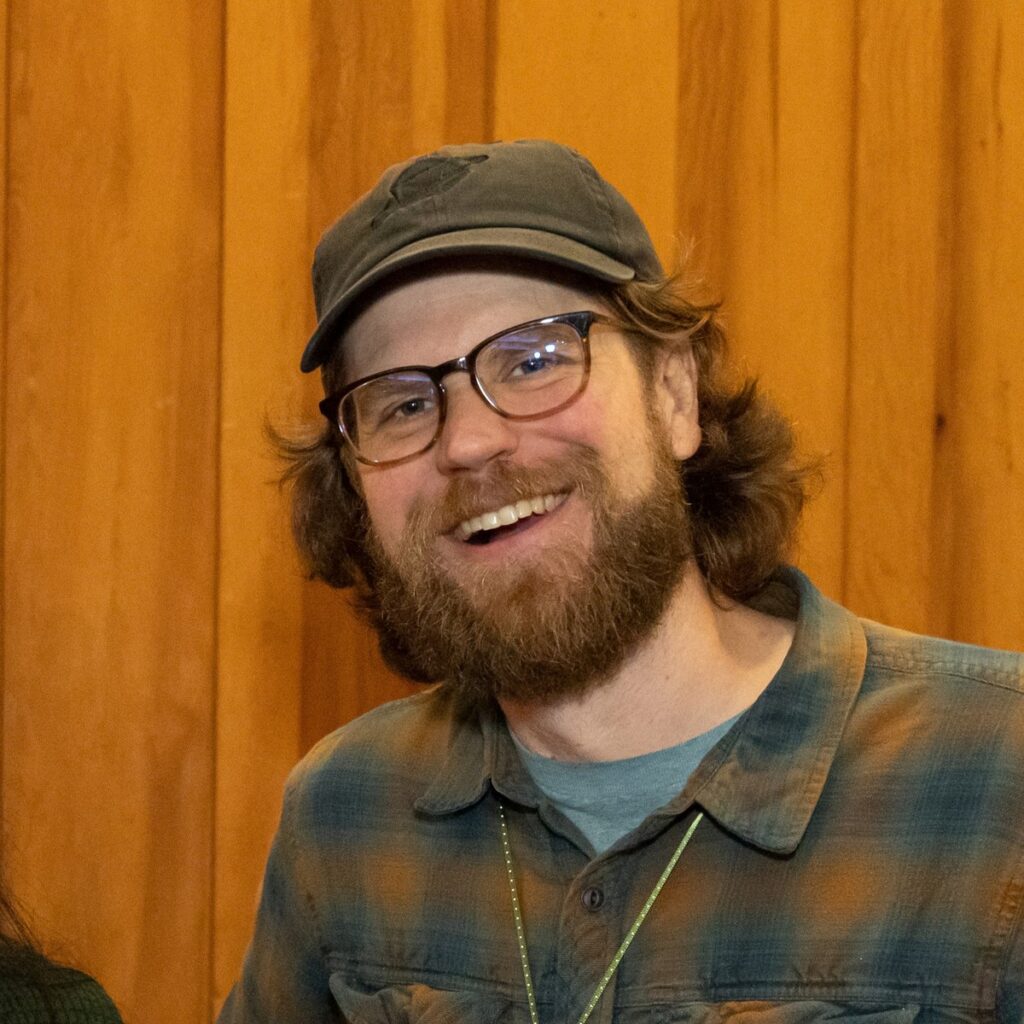
- Thu, Oct 22 · 9:30 AMGreat HallFood Systems & Community Resilience
Food Systems and Community Resilience
Andrew is a dedicated community organizer for food systems, climate justice and environmental protection. Growing up in a rural community, he spent much of his youth exploring rivers, forests, and backyard gardens. In college, he volunteered for the Potawot Community Food Garden in Arcata, CA. His experiences there solidified his passion for agriculture and community food systems. Since then, he has founded community gardens and stood with frontline communities, advocating for a just transition.
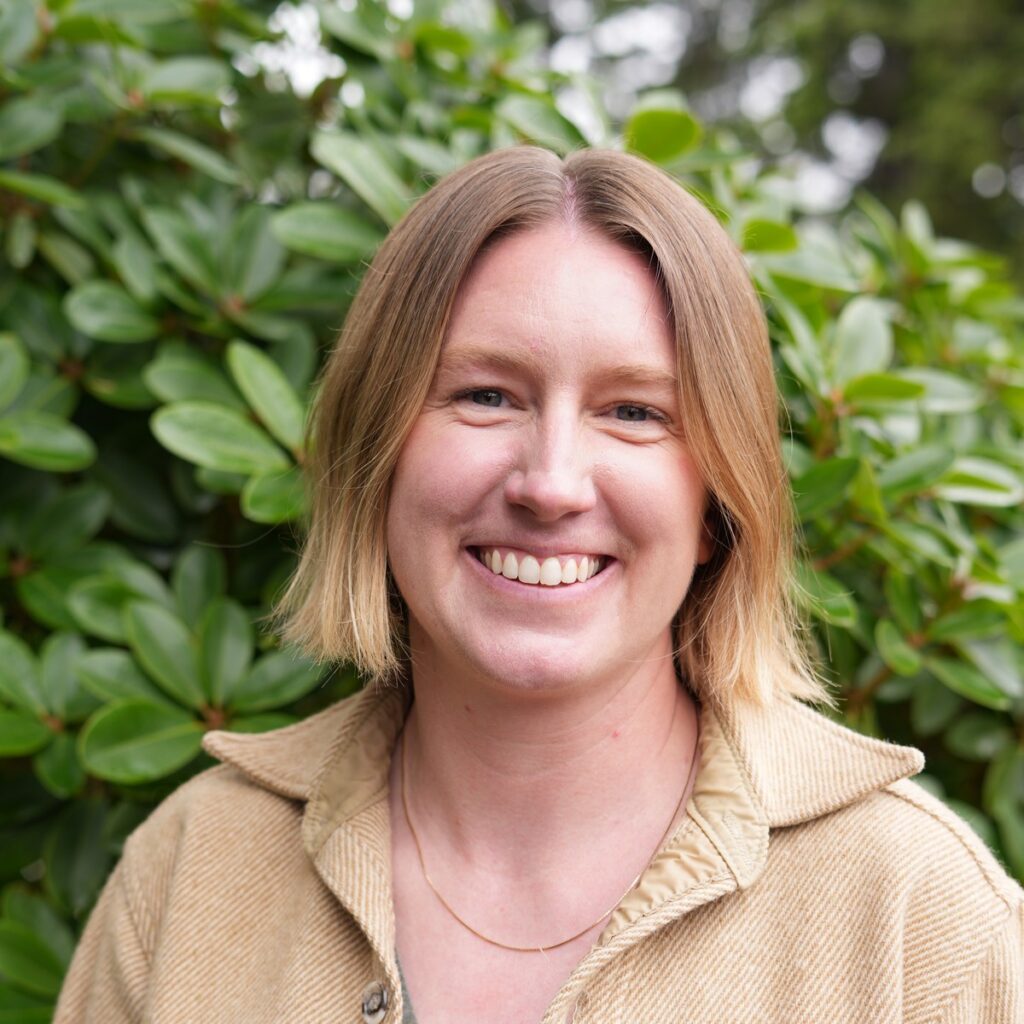
- Thu, Oct 22 · 9:05 AMGreat HallCommunity Land Trusts: Land Access for a Resilient Food System
Community Land Trusts: Land Access for a Resilient Food System
Phoebe Autry grew up in south Georgia and began her career in agriculture on a sheep dairy outside Atlanta. Over the past decade, she has farmed and worked in agriculture across the Southeast, Pacific Northwest, and Alaska, including running her own diversified vegetable farm. Her firsthand experience with the challenges of accessing secure, affordable farmland led her to a career in farmland protection. Today, Phoebe works with farmers and ranchers at Oregon Agricultural Trust to protect Oregon’s agricultural land and strengthen long-term access to farmland for the next generation.
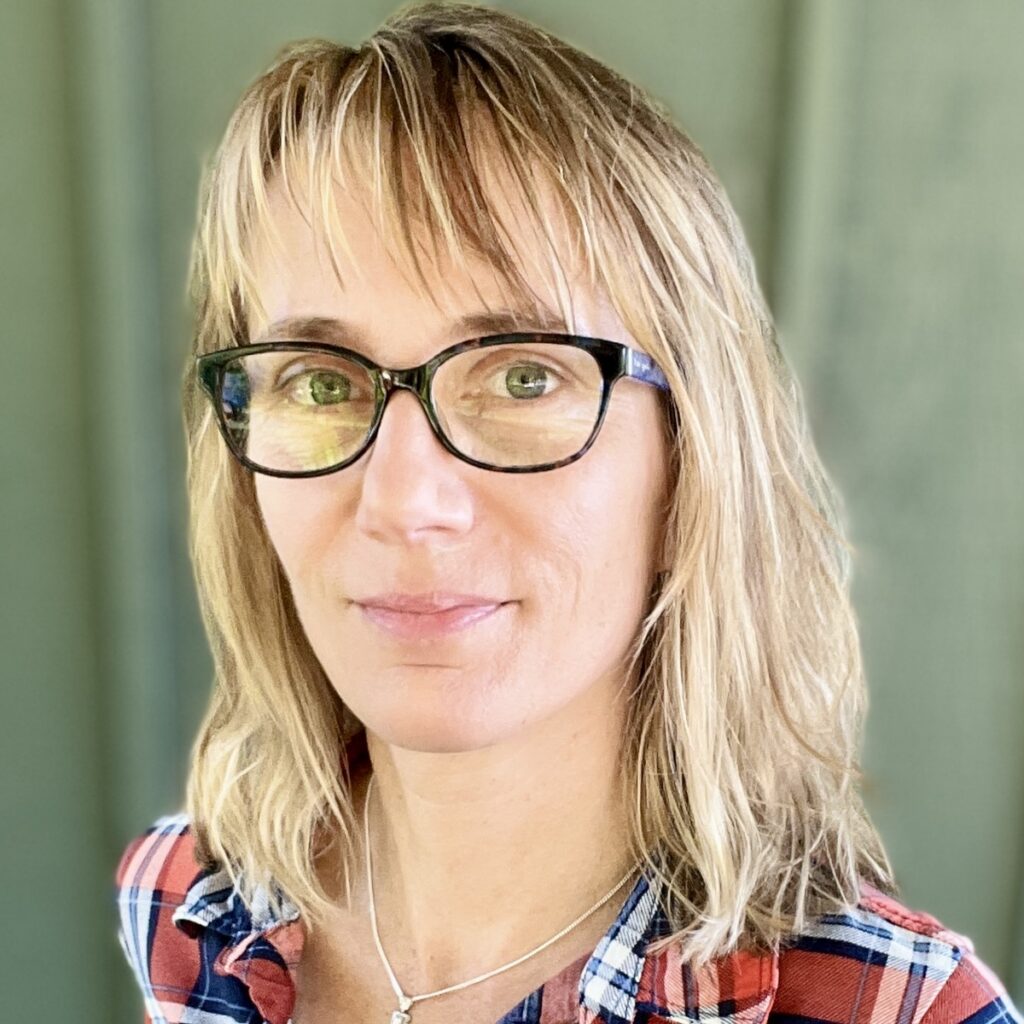
- Thu, Oct 22 · 8:30 AMGreat HallSupporting Fire-Resilient Agricultural Communities
Diane Choplin – Diane is a service provider with OSU Extension’s Small Farms Program and owner/operator of Bel Avenir Farm outside Ashland, which barely escaped the 2020 Labor Day fires. In 2025 she received funds from ODH and Southern Oregon Climate Action Now to host a rural fire resiliency panel and three learning circles to support fuels reduction and emergency response work in Jackson and Josephine Counties. Now she’s partnering with Firebrand Collective to continue the work while also starting a Firewise USA community in her own rural neighborhood.
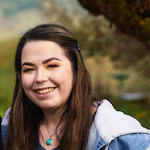
- Wed, Oct 21 · 6:30 PMGreat HallOur Story: Three Generations of Protecting Traditional Knowledge & Culture
- Thu, Oct 22 · 12:10 PMFireside RoomAnd This Is My Story: Movement & Mind Break
Komemma Kalapuya, Hanis Coos, Enrolled member of The Confederated Tribes of Siletz Indians
Aiyanna shares the same tribal affiliation as her mom and grandmother (Komemma Kalapuya, Hanis Coos and an Enrolled member of The Confederated Tribes of Siletz Indians). She is a traditional storyteller and has participated in KCPA programing and other cultural activities her whole life. She has most recently participated in the Kalapuya Language project, helping raise funds to print the Kalapuya dictionaries, assists with land restoration work on Cha Tumenma and is the current office manager for KCPA.
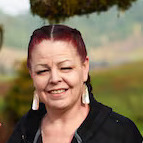
- Wed, Oct 21 · 6:30 PMGreat HallOur Story: Three Generations of Protecting Traditional Knowledge & Culture
- Thu, Oct 22 · 12:10 PMFireside RoomAnd This Is My Story: Movement & Mind Break
Komemma Kalapuya, Hanis Coos, Enrolled member of The Confederated Tribes of Siletz Indians
Shannin Stutzman shares the same tribal affiliation as her mother and grew up surrounded by her culture. Shannin participated in KCPA’s Indian education summer camp and eventually was the director of day to day operations for the camp. Shannin is a traditional storyteller, drum keeper and singer. Shannin has been heavily involved in the local Yoncalla school districts Indian Education program, hosting a variety of cultural and educational events including a yearly powwow. Shannin currently assists KCPA as the property manager for Cha Tumenma, 207 acres of rematriated land in komemma Kalapuya ancestral lands.
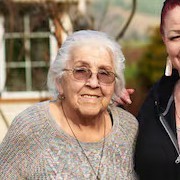
Komemma Kalapuya, Hanis Coos, Enrolled member of The Confederated Tribes of Siletz Indians
Esther Stutzman is Komemma Kalapuya, Hanis Coos and an Enrolled member of The Confederated Tribes of Siletz Indians. She is a traditional storyteller, culture bearer and educator, working in Indian Education programs across Coos county and the surrounding areas for many years. She is a founding member of The Northwest Indian Storytellers Association, Mother Earths Children and all Native theatre company, and The Komemma Cultural Protection Association which hosted an Indian Education Summer Camp for nearly five decades, supports local Native youth and Indian education programming as well as language and land restoration work in the Willamette Valley.
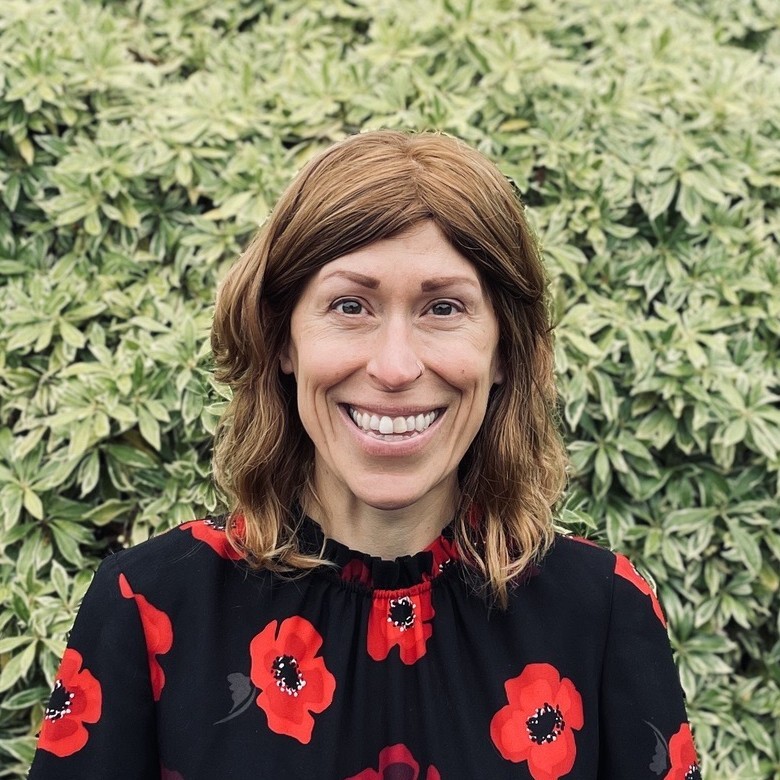
- Thu, Oct 22 · 8:30 AMGreat HallSupporting Fire-Resilient Agricultural Communities
Supporting Fire Resilient Agricultural Communities
Chantel Welch is the Pacific Northwest Deputy Director with the American Farmland Trust, based in northcentral Washington State after several years in Sisters, Oregon. Since 2024 she has been working with a small group of ranchers on prescribed grazing and burning practices, hosting learning circles based on and in collaboration with Farmer Campus’ award winning Farming Through Wildfire Season curriculum.
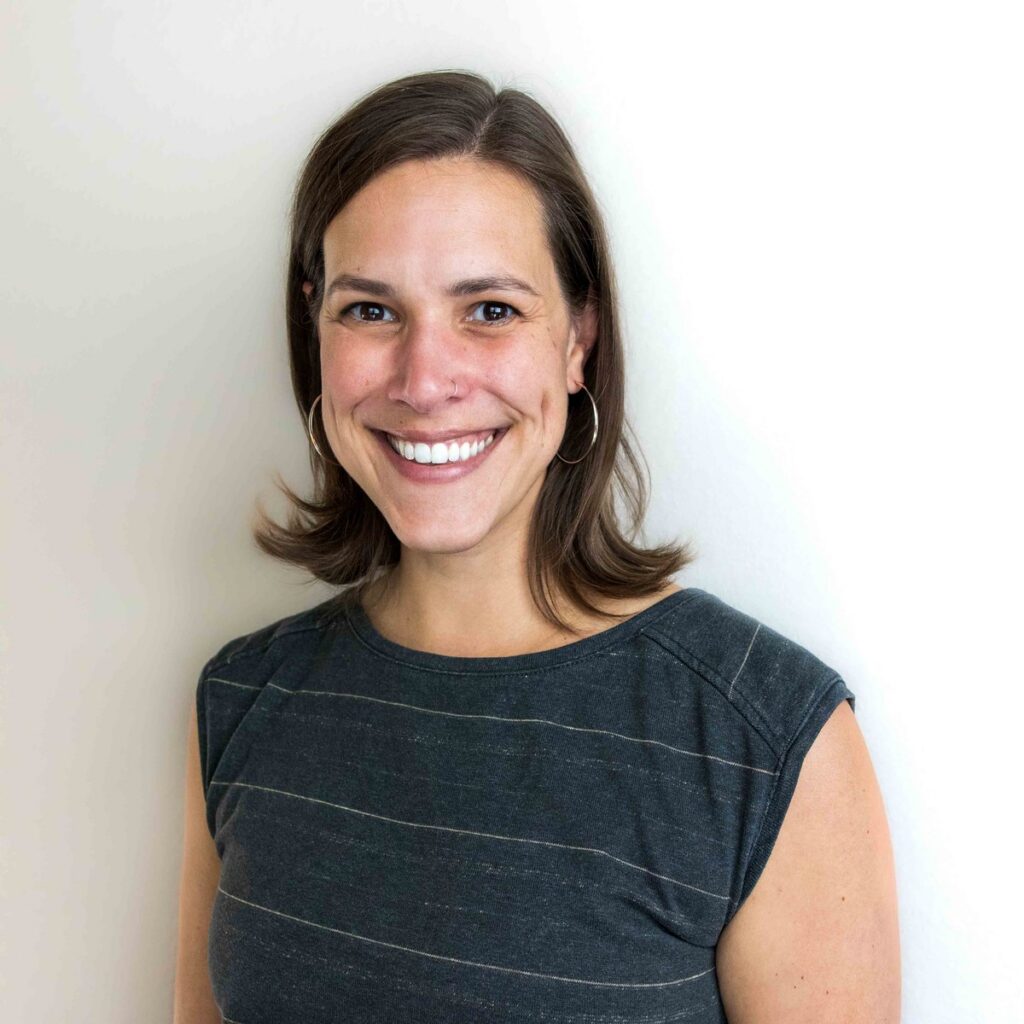
- Wed, Oct 21 · 3:35 PMGreat HallRural Community Building Collective – Conversations between Community Builders: an Approach to Place-Based Resilience
Lindsey B. Jones is a rural community builder, facilitator, and nonprofit leader based in Cave Junction, Oregon. As Executive Director of the Illinois Valley Community Development Organization (IVCanDO), she oversees relationships, resources, and results that strengthen the Illinois Valley through community development, economic opportunity, and collaborative problem-solving.
Since joining IVCanDO in 2014, Lindsey has managed projects, convened diverse stakeholder groups, and helped pilot innovative approaches to connecting community members, organizations, and resources. She is known for bringing people together around shared goals and facilitating conversations that lead to meaningful action. Throughout Oregon, she works with communities, nonprofits, and leaders on topics ranging from community engagement and strategic planning to organizational development and capacity building.
She brings a unique perspective to her work, drawing on a background in yoga, theater and clowning that prepared her well for the many moving parts of community development.
Lindsey is a passionate advocate for vibrant rural communities and believes deeply in the power of partnerships. She values joy, collaboration, and finding practical solutions that help communities thrive. She also recognizes the important role technology plays in connecting residents and visitors to the opportunities, assets, and experiences that make rural places exceptional.
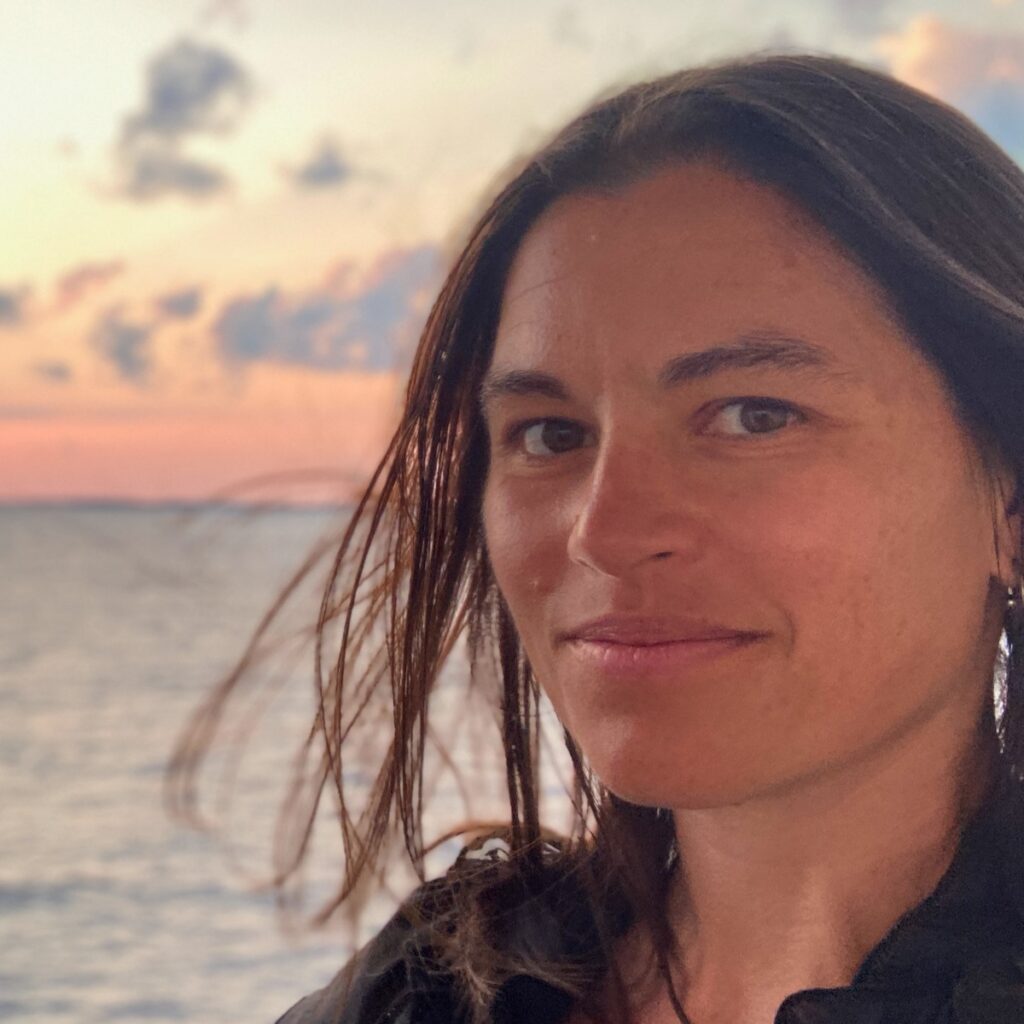
- Wed, Oct 21 · 3:35 PMGreat HallRural Community Building Collective – Conversations between Community Builders: an Approach to Place-Based Resilience
Leslie Palotas is the Community Connector at the Economic Development Alliance of Lincoln County (EDALC), where she brings people and organizations together to collaborate on community-centered solutions. Born and raised in Walla Walla, Washington, and an Oregon Coast resident since 2014, Leslie began contributing to Rural Community Building (RCB) efforts in 2018. This work continues to be inspired and supported in part by The Ford Family Foundation and its networks. Lessons learned from years of regional and statewide RCB efforts, including her facilitation of the Rural Community Builders Collective (RCBC), led to the creation of Leslie’s Community Connector role at EDALC in 2022.
With her previous professional background in outdoor recreation, tourism, hospitality, and experiential education, Leslie approaches collaboration through what she calls an “expedition lens.” On wilderness expeditions and in rural communities, when people struggle to meet their basic needs in healthy ways, the whole group feels it. When people from a variety of backgrounds productively work together to navigate the complex challenges they share, the resulting relationships and understanding lead to resilient, solution-based networks. Leslie brings this approach to multi-sector collaborations, building trust and supporting solutions that grow, adapt, and endure. Learn more about Leslie’s approach and collaborative efforts at: businesslincolncounty.com/community-connector/
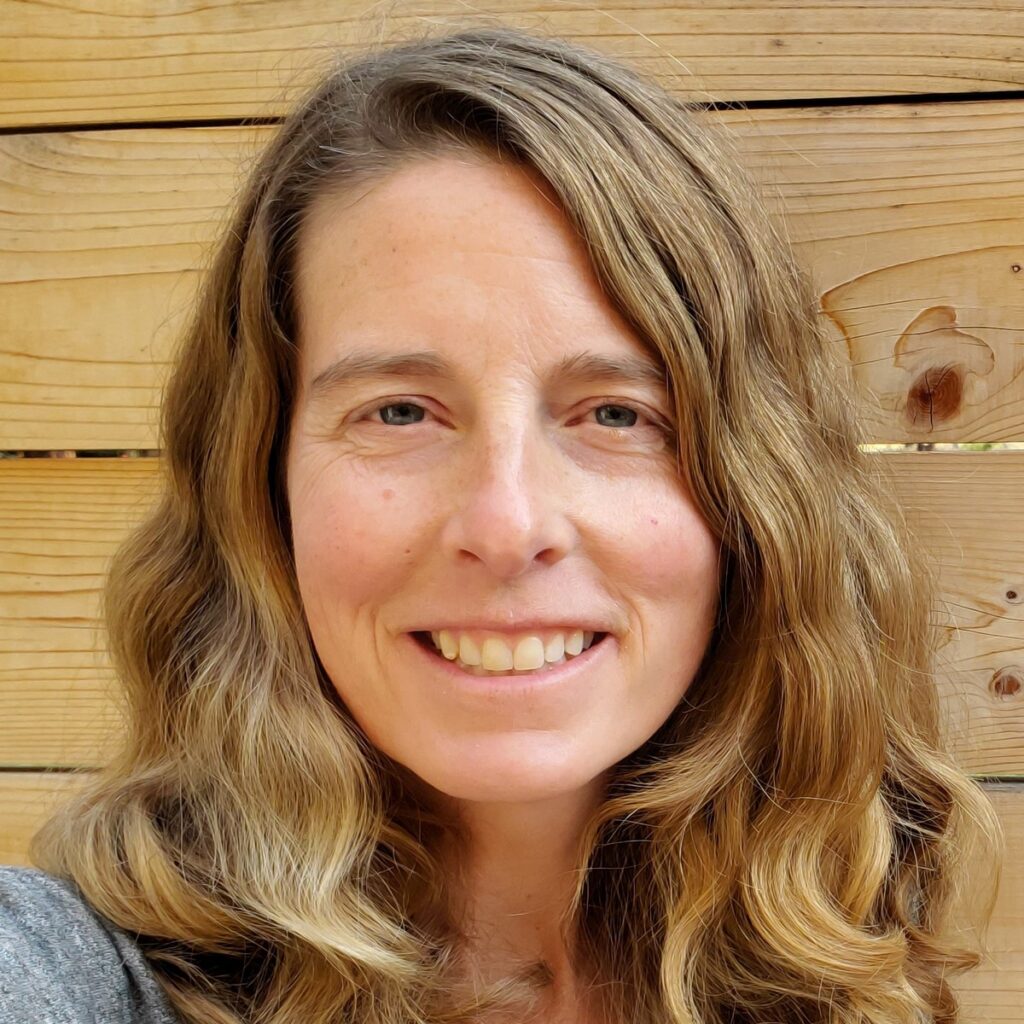
- Wed, Oct 21 · 3:00 PMGreat HallThe Flat & Akawa Butte Fires: What Went Right
Jennifer Letz is the mayor of the city of Sisters. She is in her 6th year on the City Council and 2nd year serving as mayor. She enjoys working on a variety of issues important to the citizens of Sisters, including wildfire resiliency, housing affordability, transportation, and economic
Development.
Jennifer is the co-owner of a wildfire mitigation consulting firm which specializes in helping public and private landowners in wildfire-adapted ecosystems. Her career also includes work with the US Forest Service in sustainability and the National Park Service as a backcountry ranger, wilderness EMT, and wildland firefighter. She currently serves on the Governor’s Fire Service Policy Council.
Jennifer holds an MA in Sustainable Management from Prescott College in Arizona and a BA in Film and Media Studies from Willamette University in Salem.

- Wed, Oct 21 · 3:00 PMGreat HallThe Flat & Akawa Butte Fires: What Went Right
Kellen’s passion lies in community and relationship building. A skilled facilitator and unabashed expert generalist, he’s spent his career bringing people together to tackle complex social and environmental challenges. He currently serves as Executive Director of Citizens4Community, a nonprofit dedicated to fostering civility, collaboration, civic engagement, and social connection in and around the town of Sisters, Oregon.
After earning a degree in Human Biology from Stanford University and a master’s in Environmental Science & Management from UC-Santa Barbara, Kellen spent nearly a decade in the sustainability and social impact fields. His work at the non-profit consultancy Future 500 focused on forging common ground and collaboration between corporations, non-profits, investors, and other key changemakers. He then worked at Center for Humane Technology, where he grew and stewarded a global community of over 10,000 technologists committed to building more ethical products and services.
Kellen has long sought out opportunities to support organizations engaged in community building and social change. He currently serves on the Steering Committee of the Central Oregon Civic Action Project, and previously was a member of Oregon Environmental Council’s Emerging Leaders Board and the leadership team of the California Water Action Collaborative. When he’s not in the C4C office, you’ll likely find him scarfing donuts at Sisters Bakery, quaffing local mead at Lazy Z Ranch, or rolling around town on 2, 4, or 8 wheels with his wife, children, and dog.
- Wed, Oct 21 · 2:05 PMGreat HallService Integration: Building Rural Resilience Outside of Disaster Preparation
Service Integration: Building Rural Resilience Outside of Disaster Preparation
John Moriarty is the Associate Director of McKenzie Valley LTRG, leading their community resilience building initiative. Prior to joining MVLTRG in January 2024, John served as a Senior Program Officer for the Oregon Community Foundation, during which time he helped lead the Foundation’s response to both the COVID crisis and the 2020 Labor Day fires (3 of which occurred in the regions he served). John brings more than 25 years of nonprofit leadership experience.
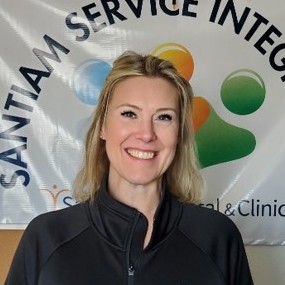
- Wed, Oct 21 · 2:05 PMGreat HallService Integration: Building Rural Resilience Outside of Disaster Preparation
Service Integration: Building Rural Resilience Outside of Disaster Preparation
Kim Dwyer serves as the Service Integration Coordinator for Santiam Hospital & Clinics, where she helps connect individuals, families, and community partners with resources and support throughout the Santiam region. Kim has a Bachelor of Science in Psychology and served as a Juvenile Probation Officer for 24 years prior to coming to Santiam Hospital & Clinics. In her current role at Santiam, Kim coordinates regional Service Integration Teams, supports funding requests, organizes community outreach efforts, and works closely with schools, nonprofits, healthcare partners, local agencies, and community organizations.
Kim is passionate about bringing people together, building strong partnerships, and helping remove barriers for those in need. She values the opportunity to serve the community she calls home and is grateful to be part of work that makes a meaningful difference for children, families, and individuals across the region.
Outside of work, Kim enjoys spending time with family and friends and soaking up the sunshine in Eastern Oregon whenever she can.
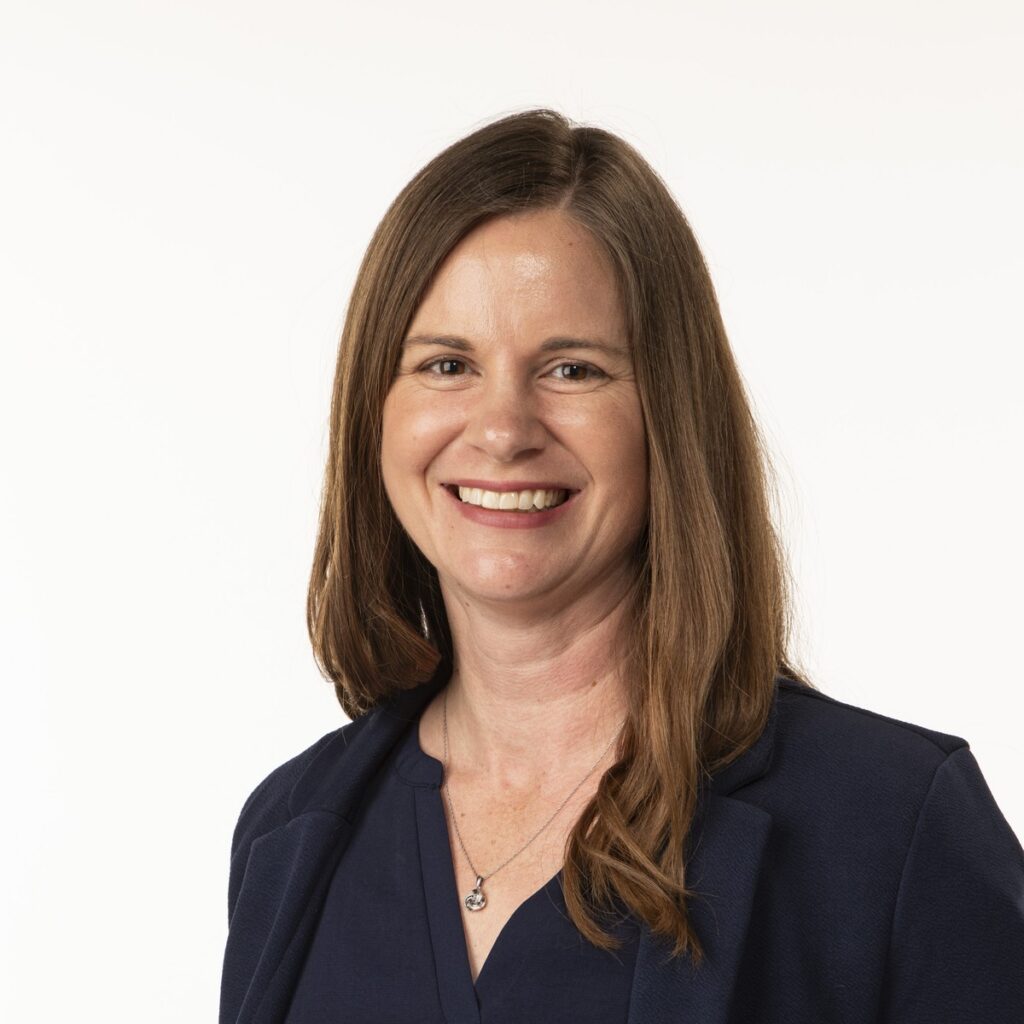
- Wed, Oct 21 · 2:05 PMGreat HallService Integration: Building Rural Resilience Outside of Disaster Preparation
Service Integration: Building Rural Resilience Outside of Disaster Preparation
Melissa Baurer serves as the Executive Director of Community Development at
Santiam Hospital & Clinics, where she has been a transformative leader since
2017. With a Master’s in Criminal Justice and a Bachelor of Arts in Sociology
from Western Oregon University, Melissa brings over a decade of experience in
social services and community health innovation.
At Santiam, Melissa founded and scaled the Santiam Service Integration
Team(s), which evolved into a comprehensive department under her leadership.
She now oversees community health, service integration, disaster recovery,
community benefit, and communications & marketing. Her pioneering work in
disaster preparedness and recovery has been recognized nationally—highlighted
as a best practice by After the Fire USA and cited by FEMA as a model for
replication across the country.
Melissa’s leadership has redefined community resilience through the Santiam
Service Integration Model, setting new standards in health equity, emergency
response, and collaborative care. Her commitment to service extends beyond her
professional role—she is an elected member of the Lebanon Community School
District’s Board, where she advocates for youth and education.
Outside of work, Melissa enjoys kayaking, hiking, and spending quality time with
her husband and two children.
 EN
 ES