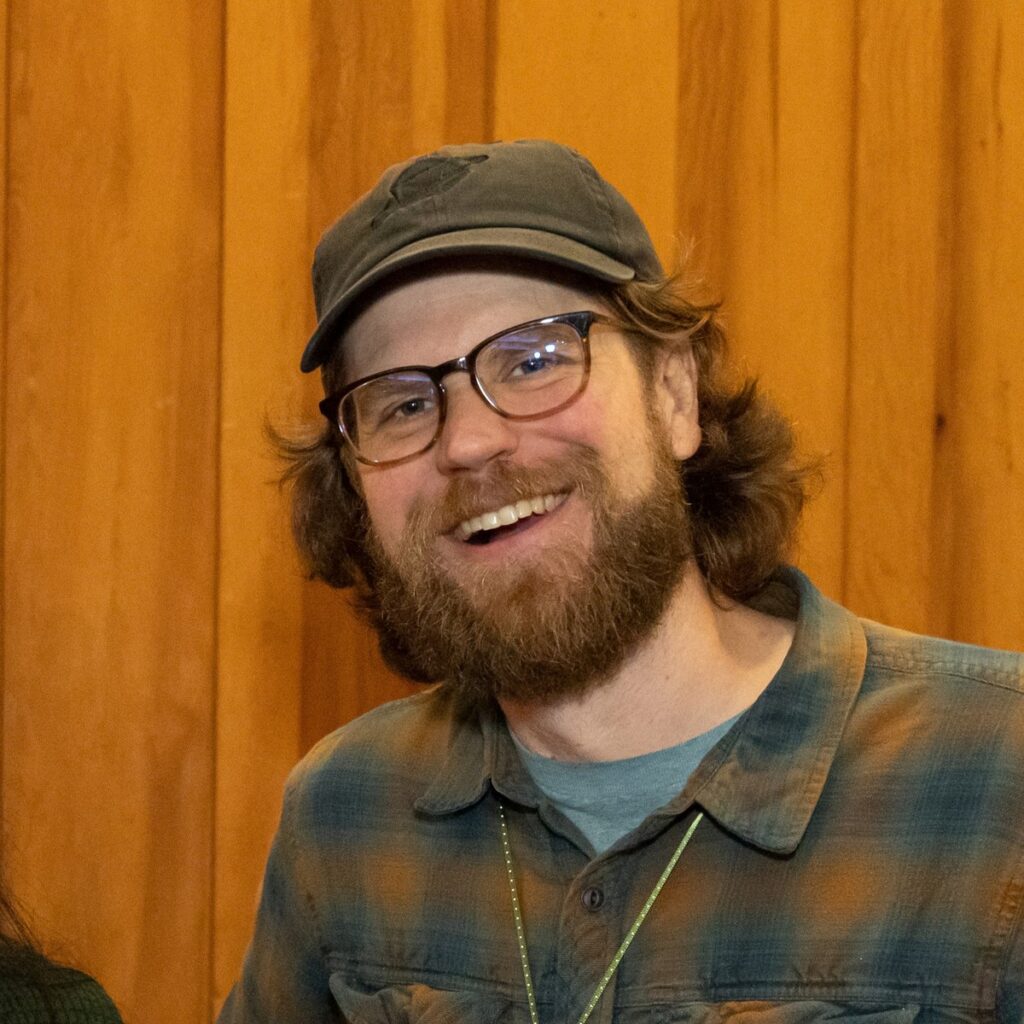
Andrew is a dedicated community organizer for food systems, climate justice and environmental protection. Growing up in a rural community, he spent much of his youth exploring rivers, forests, and backyard gardens. In college, he volunteered for the Potawot Community Food Garden in Arcata, CA. His experiences there solidified his passion for agriculture and community food systems. Since then, he has founded community gardens and stood with frontline communities, advocating for a just transition.
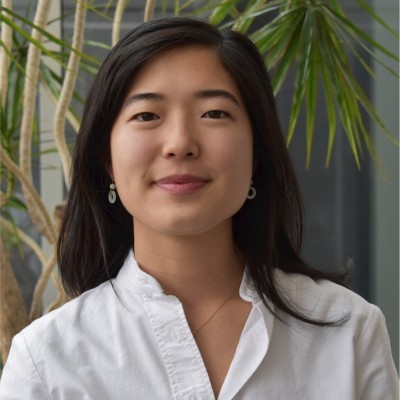
Catherine Nguyen is the founder and lead farmer of Mora Mora Farm, a 1.5-acre diversified vegetable farm in Troutdale, OR. She grows 40+ crops and hundreds of varieties for CSA members, farmers markets, restaurants, and nonprofit partners. Catherine is passionate about building resilient farm systems—from soil health and ecological farming practices to thoughtful business systems—and creating a farm that can be both productive and sustainable for the long haul.
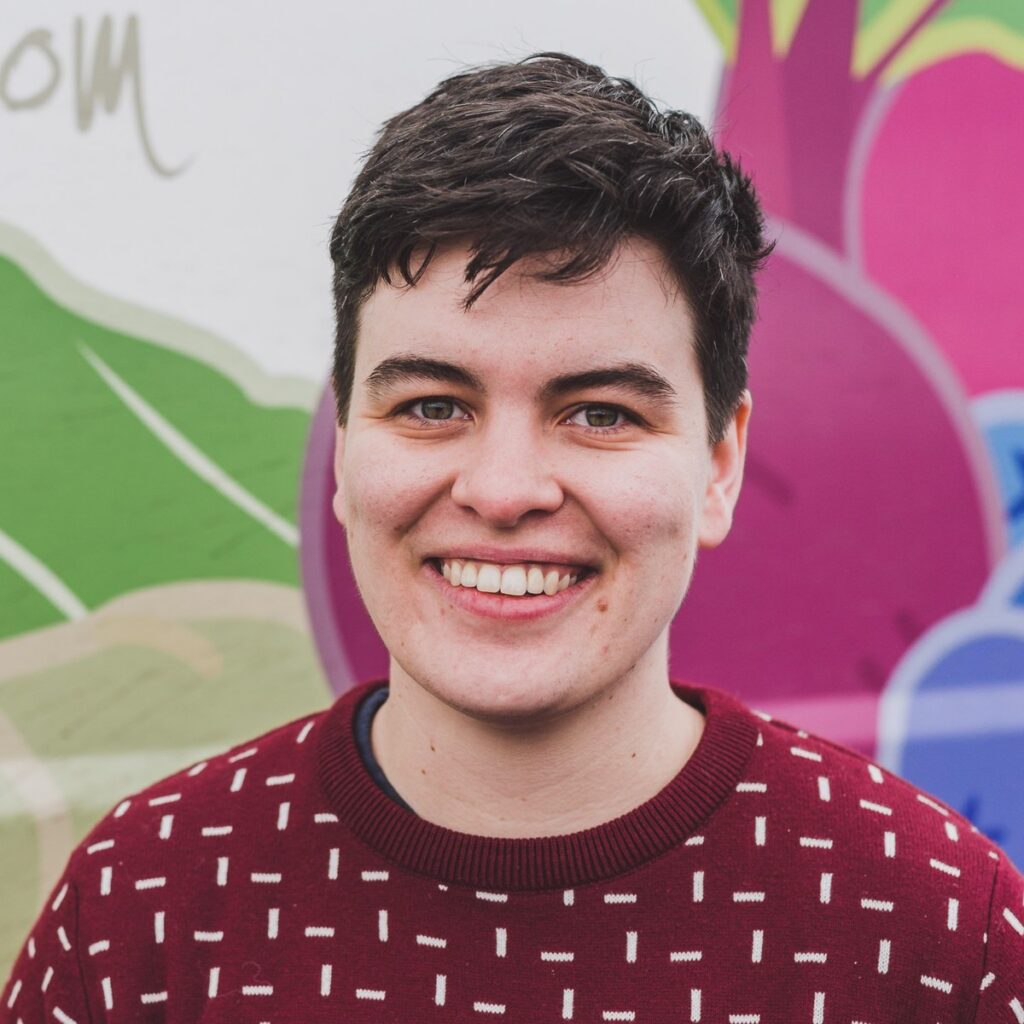
Erin is the owner and general manager of Agricultural Connections, a food hub in Bend serving Central Oregon farmers, ranchers, home cooks, and restaurants. Erin spent time as an academic, a civil servant, a programmer, a food truck mechanic, and a teacher before finally landing in food systems. Six years in restaurant operations and six years of Ag Connect later, they still love food and the people who grow it and gather around it just as much.
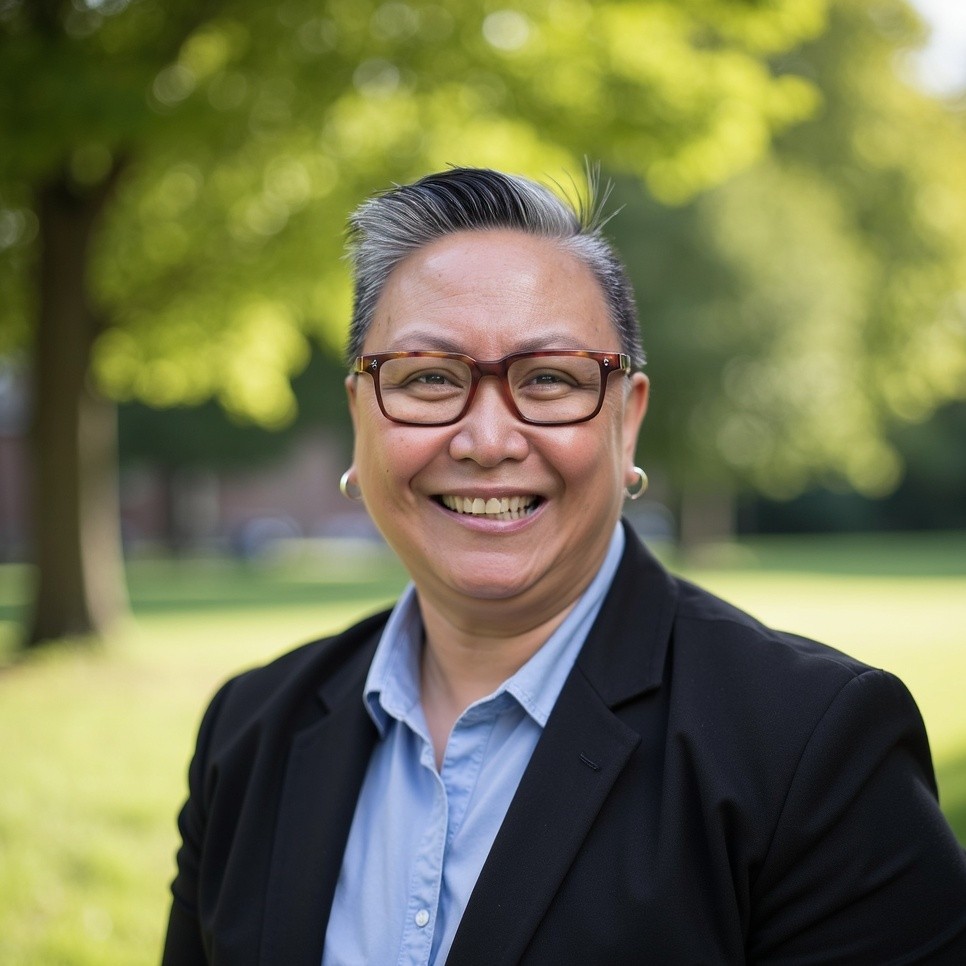
Hazel Valdez is the Executive Director of the Oregon Farmers Markets Association (OFMA). She is a nonprofit and operations executive having held various leadership positions at Literary Arts, Portland Women in Technology (PDXWIT), and the Oregon Bioscience Incubator (OBI). She was also part of the Women, Infant, and Children Program (WIC), the Farmers Market Program, and several adjacent programs for the state of Arizona. Being at OFMA is a full circle moment where her passions meet: supporting farm producers, market vendors, and food lovers across Oregon while championing fresh ingredients, expanding access to local food, and celebrating the vibrant communities that make farmers markets thrive.
Hazel studied English at UC Irvine and holds a BA in Culinary Management from Le Cordon Bleu College of Culinary Arts. Hazel was previously the board secretary for Saturday Academy and the competition team for McConnell’s Boxing Academy as well as being on the board of Women in Science.
Sophie is an experienced writer and policy analyst, and holds a graduate degree in climate science & policy from Victoria University of Wellington, New Zealand. Her family has farmed wheat in Eastern Washington for several generations, and she is a passionate advocate for increasing institutional support for climate-resilient farming.
Alice Morrison is a former vegetable farmer and farmers market manager, and Co-Executive Director of Friends of Family Farmers. Her background in community organizing, nonprofit communications and strategy, and food systems advocacy/growth all work towards her focus on reforming the food system to promote localized, equitable, community centric food producers. Alice’s motivation to get more food producers involved in system change stems from her experience working within the state legislature for FoFF’s members, and the deep belief that reform of the food system has to come from within its ranks. Lasting change for a food system that serves communities, workers, ecosystems, and economies cannot come from a movement without farmers at the front. Alice holds a BA from Dartmouth College, an MA in nonprofit management from University of Oregon, and has 5 years of organic vegetable production experience in Western Oregon.
Cassandra Waterman is the Communications & Outreach Director at the Dry Farming Institute, working at the intersection of agriculture, community, and place. Originally from the Bahamas, she has built her career on the belief that education is most powerful when it’s rooted in relationships and place. She holds an M.S. in Agricultural Education and brings experience in dry farming research, facilitation, and conflict resolution to the work of connecting and amplifying stories from farming communities. Whether organizing stakeholder workshops, co-hosting field tours, or building resources from the ground up, she is drawn to the kind of work that builds capacity and belonging over time.


 EN
 ES