UPDATE
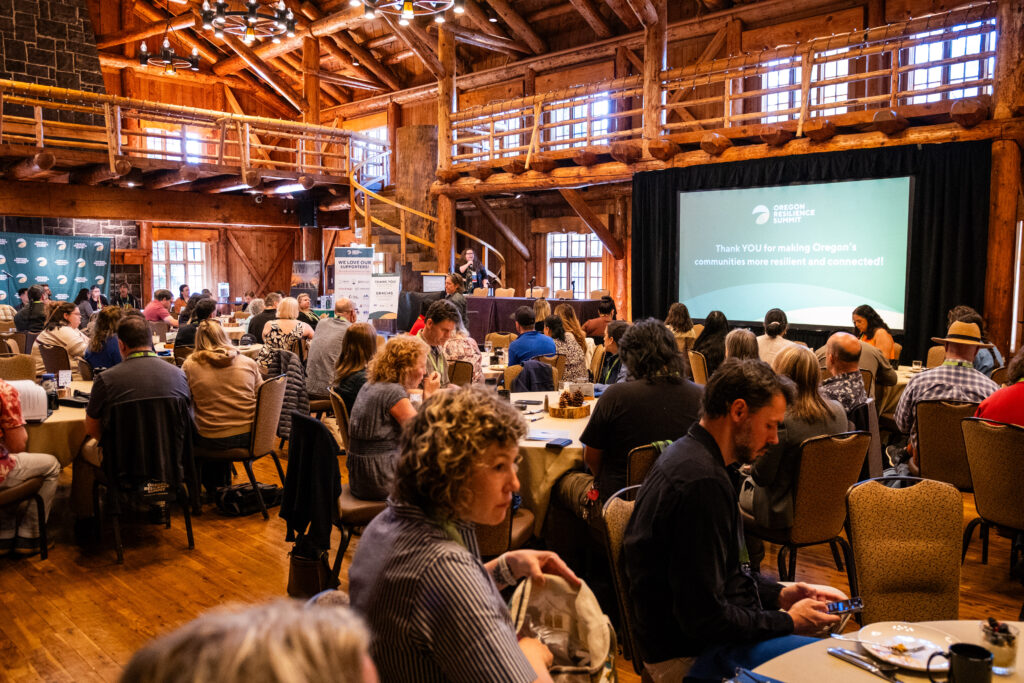
That’s a wrap on ORS 2026. Thank you to every attendee, speaker, and supporter.
OREGON RESILIENCE SUMMIT 2026
CONNECTION,
DIALOGUE,
& ACTION
October 21-23, 2026 • Sunriver, Oregon
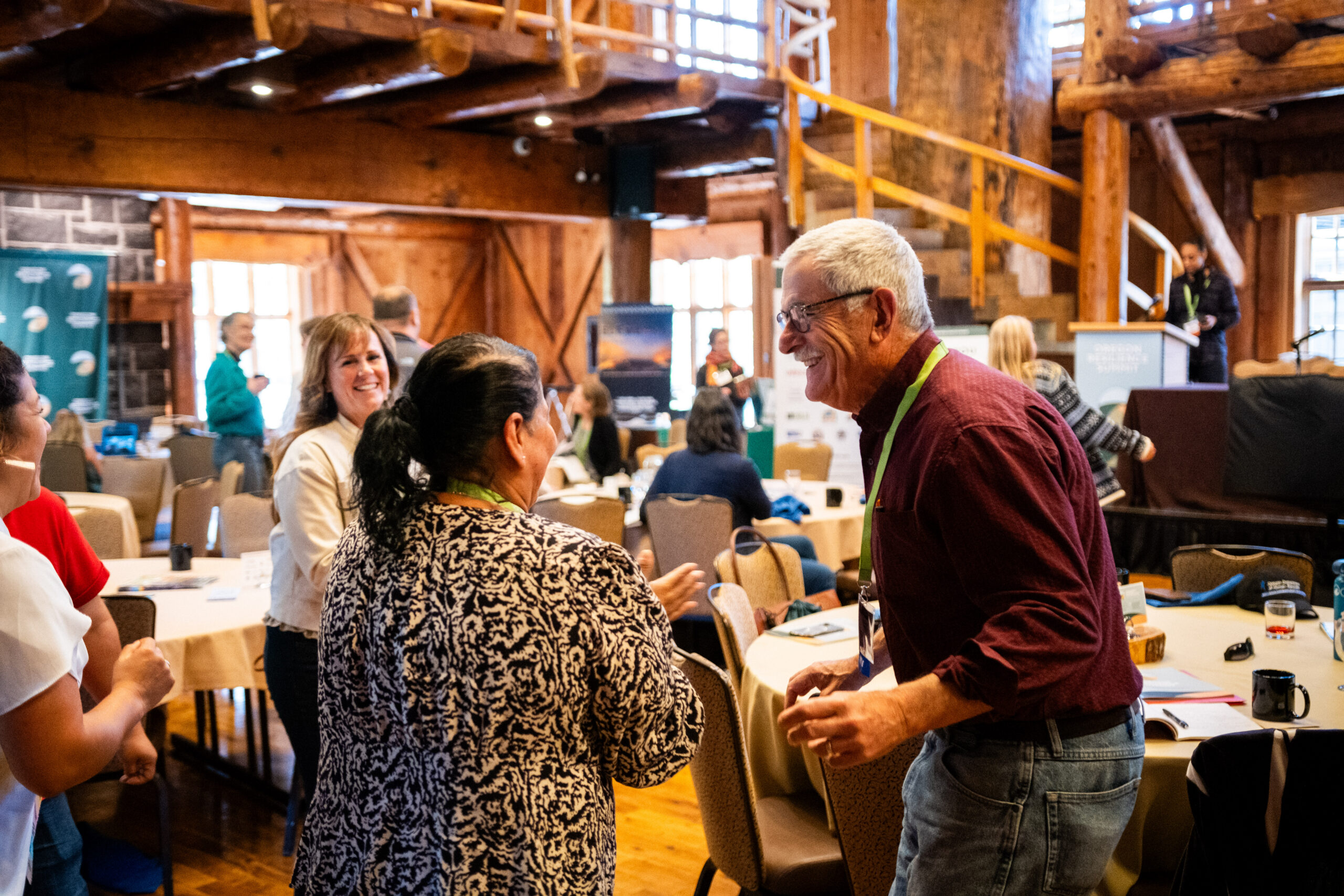
THREE DAYS IN SUNRIVER
AGENDA
Wednesday through Friday
Keynotes, panels, and community sessions. October 21-23, 2026.
Search by session, speaker, or room
Filter by day to plan your time.
- Great Hall
Check-In Opens
- SpeakersBelinda Brown, Lomakatsi Restoration ProjectRiver RondeauSky Rondeau
- SpeakerKristin Kelley Monahan, Kelley & Co.
- Great Hall
The Plan for a Resilient Oregon
SpeakerJonna Papaefthimiou - Great Hall
Setting the Stage: Content & Connections
SpeakersMarko Bey, Lomakatsi Restoration ProjectGabe First Raised, Lomakatsi Restoration Project The Harney County Wildfire Collaborative is a diverse group of partners working together to solve the complex issues around wildfire and make the sagebrush steppe landscapes in southeastern Oregon more resistant and resilient to wildfire. Since 2014, High Desert Partnership has convened and supported this group in coming to consensus on fire suppression, prevention and restoration. This session will describe how the collaborative has formed and how it continues to work together today.
Learn more about this work:- Harney County Wildfire Collaborative (Website)
- Southeast Oregon Wildfire Resilience Project (Storyboard)
- SOWR Treatment Video (Senate Bill 762 funding)
- Land Sky Water Soul (4-minute film and snapshot of Harney County)
SpeakersBrenda Smith, High Desert PartnershipRepresentative Mark Owens (R-Crane), Oregon State Legislature- Fireside Room
Real Talk with Survivors & Recovering Communities
Hosted byBethany Grace Howe The Oregon RFPA model, the oldest in the nation, is over 60 years old. Join the volunteers running these nonprofits and ODF, providing administrative support, to explore the unique model, how they operate and how they’re funded.
SpeakersAllison Rayburn, ODF Rangeland Fire ProgramTed NetterDerek Burkhardt, Vale & Ironside RFPAOregon has 45 Soil and Water Conservation Districts (SWCDs), which have played a unique role at the intersection of natural disasters and human and natural systems for more than 80 years. This panel brings together four SWCDs from across Oregon—Gilliam, Wheeler, Umatilla, and Upper Willamette—to discuss their districts’ roles and innovative approaches to supporting communities and natural systems before, during, and after natural disasters. Though they represent only a sample, all four have developed robust responses to disasters or contributed to recovery and response planning for events ranging from wildfires to floods. We’ll hear personal stories, accounts, and lessons learned; explore the power of SWCDs and their partnerships; and discuss next steps and calls to action. The goal is to raise awareness of SWCDs' role in disaster resilience and how they can bridge gaps and build strong partnerships with community members, government and nonprofit organizations, and Tribal Nations, all while continuing their work and securing the support and resources needed to build long-term, generational resilience.
SpeakersHerb Winters, Gilliam County Soil and Water Conservation DistrictKyle Waggoner, Umatilla County Soil & Water Conservation DistrictCassi Newton, Wheeler Soil and Water Conservation DistrictLily Leitermann, Upper Willamette Soil & Water Conservation DistrictCo-facilitators Sara and Robin are part of a team trained by OSU Extension through a national initiative on Climate Stress and Grief: Building Resilience in Farmers and Ranchers. Please join us for an interactive session on climate stress and grief, how it may affect you and ways to increase your emotional resilience. As ecological changes continue to affect our livelihoods, families and communities, more people are experiencing feelings of stress, uncertainty and loss. For farmers, ranchers and other people with intimate relationships to unique places and landscapes, these emotions can be even more complex. This session will offer:
- Information on what ecological stress and grief are
- How ecological stress and grief impact agricultural producers and others
- How to recognize and understand these feelings and explore effective coping strategies
- Tools to support yourself and others in navigating the emotional challenges posed by our changing environment
Moderated bySara Miller, Northeast Oregon Economic Development DistrictRobin Rasch, Curry County Master Gardener Program via OSU ExtensionBuilding rural community resilience through the Service Integration model. Service Integration is an organizing framework to address pressing issues at the local community level through effective communication and resource-sharing. Strong, functional relationships emerge from the process and can deepen community capacity to pivot toward disaster response/recovery if and when needed.
SpeakersMelissa Baurer, Santiam Hospital & ClinicsJohn Moriarty, McKenzie Valley LTRGKim Dwyer, Santiam Hospital & ClinicsIn August 2024, the Flat Fire burned over 23,000 acres and threatened the small town Sisters. Yet despite more than 820 homes within the fire perimeter, just five were lost. Then, this July, the Akawa Butte Fire once again threatened this frontier community, burning over 27,000 acres. And again, only two structures would burn.
How did the town get so lucky? Certainly, a whole lot of luck; but also a lot of proactive planning, creative partnerships, and strong ties between local organizations and residents, all offering poignant lessons for other communities living at the wildland-urban interface. In this session, Sisters’ mayor and a local nonprofit director explore the policies, planning, and partnerships that helped save their town, and how those lessons are now shaping bold, collaborative approaches to community resilience.
SpeakersKellen Klein, Citizens4CommunityMayor Jennifer LetzJoin select presenters in the Fireside Room to continue discussions inspired by this session.
What makes a community resilient? Strong relationships, local leadership, and the capacity to work together are essential foundations for responding to challenges, from natural disasters to economic uncertainty.
Join members of The Ford Family Foundation's Rural Community Building Collective for a conversation about how place-based community building strengthens rural resilience. Through real-world examples, we'll explore the Four Cs of community building, how local organizations identify and respond to community priorities, and how statewide resources can support locally driven solutions.
We'll also examine the vital role of longstanding community-based organizations, whose decades of experience, trusted relationships, and local knowledge provide continuity through changing circumstances and government leadership. Together, we'll consider how stronger partnerships between communities, funders, and government agencies can build lasting resilience from within.
SpeakersLeslie Palotas, Economic Development Alliance of Lincoln County (EDALC)Lindsey B. Jones, Illinois Valley Community Development OrganizationMegan Fehrman, A Greater ApplegateJoin select presenters in the Fireside Room to continue discussions inspired by these sessions.
The La Pine Basin All-Lands Partnership (LPBALP) exists to enhance coordination of the La Pine Basin region’s fire resilience through strategic, cross-boundary wildfire risk reduction efforts. By fostering collaboration among federal, state, and local agencies, as well as NGOs and community representatives, LPBALP aims to maximize resources, align mitigation strategies, and improve wildfire resilience across the La Pine Basin.
SpeakersJodie Schiffman, Oregon Living With FireMarko Bey, Lomakatsi Restoration ProjectMonte Dammarell, Newberry Regional Partnership Defensible Space Action TeamRobert Newey, Deschutes National Forest, USFS & BLM Central Oregon Fire Management ServiceLauren Street, Deschutes CountyBen Walen, Oregon Department of Forestry Central Oregon District- Great Hall
Post-Programming Break
- Great Hall
Cash Bar Opens in Great Hall
- Great Hall
Community Dinner
With Special Guests & Community Sharing
Followed by a musical performance
With pending honored guests.
SpeakerJonna Papaefthimiou- Great Hall
On Trust
SpeakerJoe McFerrin II, Portland Opportunities Industrialization Center (POIC) - SpeakersEsther Stutzman, The Northwest Indian Storytellers Association; Mother Earth’s Children; and The Komemma Cultural Protection AssociationShannin Stutzman, Cha Tumenma (Komemma Cultural Protection Association)Aiyanna Brown, Komemma Cultural Protection Association
- Great Hall
Check-In Opens
- Great Hall
Breakfast Provided in Great Hall Foyer
- Great Hall
Daily Welcome & Reflection
SpeakersBelinda Brown, Lomakatsi Restoration ProjectRiver RondeauSky Rondeau - Great Hall
Brief Remarks: Building Community
SpeakerSenator Anthony Broadman, Central Oregon - Great Hall
Setting the Stage: Content & Connections
SpeakerMarko Bey, Lomakatsi Restoration Project Higher temperatures, drought, drier soils and vegetation, and reduced snowpack across the Pacific Northwest are resulting in longer wildfire seasons and an increase in the size, frequency, and intensity of wildfires. Farmers and ranchers, as land stewards, are uniquely vulnerable to wildfires. Wildfires occur naturally; nonetheless they can pose significant financial, human, and production-related risks for ranch operations. We will talk about what we've seen when it comes to farmer and community fire preparedness, and how we can improve future resilience.
SpeakersChantel Welch, American Farmland TrustDiane ChoplinDominant conceptualizations of resilience frequently position it as an individual attribute or a return to pre-disaster equilibrium, a framing that obscures the historical, political, and structural conditions that produce differential recovery outcomes. This interactive workshop introduces transformational resilience, a framework grounded in community, culture, and history that prioritizes systems-level change.
Facilitators will first establish the conceptual foundations of transformational resilience and broaden the definition of disaster to encompass chronic, structural, and political harms. Participants will be invited to participate in a collaborative group scenario exercise based on a wildfire event, assuming the roles of funder, survivor, government agency (state or county), and community-based organization (CBO). Working in small groups and using visual and written note-taking, participants will reimagine how each actor's responsibilities and practices might shift under a transformational resilience framework.
SpeakersChristy da RosaJamila K Wilson, United Way of the Columbia WillametteDebbie D. Cabrales, Centro de Servicios Para CampesinosCecilia GironProtecting farmland is essential to a resilient food system, but protecting land does not necessarily make it accessible or affordable to the farmers who need it. This presentation will explore how Community Land Trusts can create more affordable and secure pathways to farm while keeping land in agricultural production over the long term. Drawing on Oregon Agricultural Trust’s emerging land access work, we’ll consider how conservation and community-based ownership can work together to build a more resilient food system
SpeakerPhoebe Autry, Oregon Agricultural Trust- Great Hall
Food Systems & Community Resilience
SpeakersShin Lee, Oregon Community Food Systems NetworkAndrew Collins-Anderson, Oregon Community Food Systems NetworkCatherine Nguyen, Mora Mora FarmErin Bellomy Maher, Agricultural ConnectionsHazel Valdez, Oregon Farmers Markets AssociationSophie Els, Oregon Climate and Agriculture Network (OrCAN)Alice Morrison, Friends of Family FarmersCassandra Waterman, Dry Farming Institute This conversation will introduce participants to Person-Centered Emergency Preparedness (P-CEP), an evidence-informed approach developed by the University of Sydney that helps people identify their strengths, support networks, resources, and preparedness needs before emergencies happen.
As the first organization in the United States to pilot P-CEP, Upstream Access has adapted and implemented this approach with disabled people, older adults, caregivers, service providers, and community organizations across Oregon.
The presentation will provide an overview of P-CEP and explore key areas that can impact preparedness and resilience, including social connectedness, communication, health, transportation, assistive technology, and personal supports. Upstream Access will also share lessons learned from implementing P-CEP in Oregon and examples of how a person-centered approach can strengthen individual and collective resilience.
Rather than approaching preparedness as a one-size-fits-all checklist, P-CEP recognizes that people have different strengths, needs, resources, and support networks. This presentation will highlight how understanding those factors can help individuals and communities prepare in ways that are more accessible, realistic, and inclusive.
Participants will leave with an introduction to P-CEP, practical ideas they can consider in their own preparedness efforts, and resources for learning more.
SpeakerErin Taylor, Upstream AccessWhen the Almeda Fire destroyed more than 2,600 homes in Southern Oregon, our community quickly learned that emergency response and long-term recovery are not the same thing.This presentation explores how unexpected partnerships, community trust, and meeting the most basic human needs became the foundation for resilience. Through powerful stories, practical examples, and lessons learned, attendees will discover how communities can build the relationships and systems that make recovery possible, long before disaster strikes.
SpeakersAmber Ferguson, Rogue Food UnitesAllison French, Talent Maker City- Fireside Room
Food Systems, Shelter, & Community Resilience
Join select presenters in the Fireside Room to continue discussions inspired by this session.
We are in the middle of a loneliness epidemic, and that isolation weakens the social bonds that communities depend on to weather and recover from hard times. Drawing on neuroscience and social psychology, this session explores why humans are wired for connection, what breaks belonging down, and practical, science-backed ways individuals and communities can rebuild belonging. The result: communities that are stronger both during and after disruption.
SpeakerScott Crabtree, Happy Brain Science- Fireside Room
And This Is My Story: Movement & Mind Break
Join this short group activity led by a few of our Day 1 Keynote Speakers.
SpeakersAiyanna Brown, Komemma Cultural Protection AssociationShannin Stutzman, Cha Tumenma (Komemma Cultural Protection Association) As Tribal Nations and Tribal communities advance stewardship approaches rooted in culture, community, and responsibility to future generations, young leaders are stepping forward to help shape the path ahead. In this panel, Tribal young adults and Elders will share perspectives on ecological restoration, cultural resource protection, community engagement, and the importance of passing values and stewardship traditions from one generation to the next. Panelists will discuss how intergenerational learning helps sustain Indigenous knowledge systems and strengthen resilient landscapes, fire-adapted communities, and healthy ecosystems while creating meaningful opportunities for emerging leaders to build skills, navigate challenges, and carry forward a shared vision for the future. Join us to hear how Tribal youth and Elders are advancing ecocultural stewardship that benefits Tribal and neighboring communities alike, fostering resilience for both people and place for generations to come.
Moderated byMarko Bey, Lomakatsi Restoration ProjectSpeakersBelinda Brown, Lomakatsi Restoration ProjectSeneca Hescock, Lomakatsi Restoration ProjectAlexis First Raised, Oregon State UniversityGeorge Swartzlender, Lomakatsi Restoration ProjectGabe First Raised, Lomakatsi Restoration ProjectVirginia Amoroso, Lomakatsi Restoration ProjectJosiah Jacobs, Pit River TribeEmergency management is a demanding profession—requiring sharp focus, fast decision-making, and the ability to recover quickly from stressful incidents. At the Oregon Prepared Conference, where practitioners from tribal, local, state, federal, nonprofit, and private sectors come together to learn, share, and connect, this session offers a restorative experience designed for you—the resilient responder on the front lines.
In this interactive session, discover how Tai Chi Relaxation and Qi Gong Meditation, rooted in ancient mind-body traditions, can become powerful tools in your personal resilience toolkit. Through gentle movement, breath awareness, and focused attention, you’ll learn techniques that help:
- Reduce chronic stress and mental fatigue
- Improve clarity and emotional balance during high-demand operations
- Build long-term physical and psychological resilience
- While emergency management often focuses on community-level preparedness and response, this session emphasizes the importance of self-preparedness—strengthening your own capacity to stay centered, clear-headed, and effective before, during, and after the challenges of disaster work. Participants of all experience levels are welcome, whether you’re new to movement meditation or seeking ways to integrate wellness practices into your daily routine.
Come away with practical, adaptable techniques you can use beyond the conference—with tangible benefits for your health, performance, and overall well-being.
SpeakerRachelle Lambert- Great Hall
From Hazard to Humdrum
Oregon's climate is changing, but many communities thrive in locations where the climate would be hazardous in Oregon. In this workshop/presentation, we'll discuss how Oregon communities can adapt to grow and thrive into our climate future. This interactive session will build off of our partnership with South Willamette Solutions in Oakridge, Oregon, our work on the Oregon Cooling Needs Study, Infrastructure Climate Planning, and case studies and best practices. Activities include future climate adaptation scenario planning and demonstrations to empower participants to take action in their communities.
SpeakersGrace ThirkillBeth Miller, ParametrixSierra McComas, South Willamette Solutions - Fireside Room
Reserved for a Closed Door Session
What happens when decades of limited resources begin shaping not only what rural communities can afford, but what they believe is possible—and ultimately, how resilient they can become?
SpeakerLehi Dowell, CCD Business Development Corporation- SpeakerCristina De La Torre, PhD, CEED Resilience LLC
- Fireside Room
COAD Curious?
An informal follow-up for those interested in forming or strengthening COADs.
Curry County has faced obstacles in its rural location, with organizations and community members who are often not included in traditional emergency and disaster planning roles. The CCCOAD has worked to become more inclusive by building relationships with local organizations, agencies, businesses, volunteers, and community members. By connecting people and resources, we can better identify needs, share information, support one another, and create a stronger, more prepared Curry County.
SpeakersRuth Dixon, Curry County COADKatrina Thompson, Northwest American Indian CoalitionOregon’s climate is changing, and communities need to think beyond emergency preparedness toward long-term adaptation. In this interactive workshop, participants will identify climate hazards facing their communities, explore the difference between emergency response and proactive adaptation, and brainstorm practical ways to build resilience and thrive in a changing climate. Participants will leave with fresh ideas and actionable next steps for their own communities.
SpeakersGrace ThirkillBeth Miller, ParametrixSierra McComas, South Willamette SolutionsDisaster resilience depends on more than resources. It depends on the networks, relationships, and trust that connect them. Community Organizations Active in Disaster (COADs) are essential community coordination networks that bridge government emergency management and the organizations serving communities before, during, and after disasters. Join COAD leaders from across Oregon to examine a critical opportunity: How can we better connect existing resilience networks, reduce duplication, and build a stronger, more coordinated statewide system, while preserving the local trust and community leadership that make these networks work?
Moderated byJim White, Nonprofit Association of OregonSpeakersBarb Edwards, Clackamas County VOADGen Schaack, Lane County COADRuth Dixon, Curry County COADTessa Elbettar, Rogue Valley COADMatthew Havniear, Rogue Valley COAD- Great Hall
Break for Dinner
Not catered (on your own–or maybe with a new friend?)
- Great Hall
Plan for a Resilient Oregon Meetup
PRO collaborators may utilize the Hall for the evening as a large group and/or smaller breakout groups!
- Great Hall
Casual Networking & Cash Bar
(w/ flatbread pizza & popcorn!)
Fireside Room also available for small group networking & continued conversations.
- Great Hall
Check-In Opens
- SpeakersRiver RondeauSky Rondeau
- Great Hall
Setting the Stage: Content & Connections
SpeakerMarko Bey, Lomakatsi Restoration Project - Great Hall
Resilience Hubs: Securing Our Future
SpeakersMax Seiler, Oregon Department of Human ServicesJenn Bosch, Oregon Department of Human ServicesJeff Gilbert, ODHS/OREMMarta Petteni, City of MilwaukieAvery Pearson, South Willamette Solutions - Great Hall
Brunch Provided in Great Hall Foyer
- SpeakerTravis Shappell
Emergency management is a demanding profession—requiring sharp focus, fast decision-making, and the ability to recover quickly from stressful incidents. At the Oregon Prepared Conference, where practitioners from tribal, local, state, federal, nonprofit, and private sectors come together to learn, share, and connect, this session offers a restorative experience designed for you—the resilient responder on the front lines.
In this interactive session, discover how Tai Chi Relaxation and Qi Gong Meditation, rooted in ancient mind-body traditions, can become powerful tools in your personal resilience toolkit. Through gentle movement, breath awareness, and focused attention, you’ll learn techniques that help:
- Reduce chronic stress and mental fatigue
- Improve clarity and emotional balance during high-demand operations
- Build long-term physical and psychological resilience
- While emergency management often focuses on community-level preparedness and response, this session emphasizes the importance of self-preparedness—strengthening your own capacity to stay centered, clear-headed, and effective before, during, and after the challenges of disaster work. Participants of all experience levels are welcome, whether you’re new to movement meditation or seeking ways to integrate wellness practices into your daily routine.
Come away with practical, adaptable techniques you can use beyond the conference—with tangible benefits for your health, performance, and overall well-being.
SpeakerRachelle LambertWhat happens when Oregon state agencies team up with Watch Duty to rethink disaster preparedness? Get an inside look at a new pilot bringing government data into the hands of people who need it most.
Want to tell Oregon state agencies and Watch Duty what your community actually needs? Here's your chance. Join the conversation, challenge assumptions, and help shape what comes next. Audience participation is encouraged.
SpeakersJim Cupples, Department of AgricultureSunny Summers, Oregon Department of AgricultureParis Edwards, Oregon Department of TransportationChris JaggerColton Duval, Watch Duty- Fireside Room
Resilience Hubs
Join select presenters in the Fireside Room to continue discussions inspired by this session.
Southern Oregon University is transforming itself into a living laboratory where students learn through place-based, experiential work. Within SOU The Institute for Applied Sustainability (IAS) is leading this transformation through its flagship Community Resilience and Leadership Student Fellows Program and its emerging energy resilience initiatives.
This presentation will explore how IAS is bringing campus infrastructure, community partnerships, and a structured curriculum of self- and project-leadership together to strengthen regional resilience. We will share how we believe higher education and workforce development can be integrated with investments in energy resilience and community partnerships to build capacity across the region. Faculty, sustainability leadership, and students will share what we have learned from the program’s first year and where we see the model going next.
SpeakersBret Anderson Ph.D., Institute for Applied Sustainability at Southern Oregon UniversityJamie Trammell Ph.D., Southern Oregon UniversityBecs Walker- SpeakerKarla Hoggan, Oregon Livestock Council
Power resilience means keeping essential devices running and recognizing the power we, as disabled people, have to shape solutions together. This session explores practical backup-power planning, access barriers, and the community connections that help us prepare for outages. As our climate changes and financial resources shift, we’ll discuss how disability justice, environmental justice, and collective care can guide our response.
SpeakerErin Taylor, Upstream AccessFirewise landscaping is a design strategy that uses careful plant selection, strategic placement, and regular maintenance to create defensible space around a home, reducing its vulnerability to wildfire while providing a desirable landscape. This workshop will include the basics on fire-resistant plants and firewise landscaping technique, and recent projects to promote the topic to educators and garden nurseries in central Oregon.
SpeakersAriel Cowan, Oregon State University ExtensionAmy Jo DetweilerA discussion of economic power through collective support. This will be a brief look into the math of community programs both historically and currently.
SpeakerAJ McCreary, Equitable Giving CircleDisasters associated with climate change (including wildfires-the focus of this work) significantly undermine the well-being of families, with profound implications for social and economic recovery and equality. Due to structural inequities, low-income, immigrant, and ethnic and racial diverse communities tend to live in areas where climate disasters are more common and more severe, and these communities tend to have fewer existing resources, less access to safe locations, and more difficulties materially and emotionally rebuilding. Addressing the urgent need to identify practices that establish greater equity in disaster recovery for families, we use a social ecological, community intervention framework to explore how family resilience practices and Trauma-Informed Disaster Case Management (TI-DCM) practices might counter inequalities in climate disaster recovery for marginalized families. The aim is to understand better how TI-DCM may strengthen family resilience and disaster recovery, and to strengthen families and the workers who support them after climate disasters.
SpeakersCindy Sousa, PhD, MSW, MPHRachel Robertson, Lincoln County COADResilience is increasingly one of the most widely used concepts in disaster work, yet it is defined differently across disciplines, sometimes in direct tension. This presentation traces resilience from its origins through its history and application, drawing on Dr. da Rosa's research on the 2020 Labor Day Fire recovery efforts and the Disaster Resilience Learning Network’s (DRLN) approach to building disaster resilience and recovery within their communities. It examines how resilience is understood as both a process and an outcome, and how its neoliberalization has shifted responsibility onto individuals and communities. The result can look like an abundance of resources while delivering uneven impact for survivors. The presentation then turns to the Network’s expanded definition of disasters, which recognizes that disasters are cyclical, chronic, and compounding rather than linear, and that historical trauma and legacies of subjugation continue to shape their impact. Transformational resilience approaches this expanded definition of disasters as structural and inclusive of political and structural problems that surround any single event, and the scope of resilience itself. The presentation highlights the work of DRLN CBOs in reclaiming resilience and situating it locally by shifting decision-making, using cultural lenses to understand resources, and giving up power.
SpeakersChristy da RosaJamila K Wilson, United Way of the Columbia Willamette- Great Hall
A Spirituality of Community Resilience
Community resilience begins not with a program, resource, or institution, but with our relationships to each other and to the land. Through simple and accessible rituals and practices, we will explore how spirituality can become an entry point for community, creating spaces where people can feel rooted and connected, whether or not they identify with a particular faith tradition.
Panel will conclude with a community blessing, featuring a musical accompaniment.
SpeakersAlison Killeen, Leaven CommunityCris Saldivar, Together Lab - Great Hall
Closing Statements
SpeakersJonna PapaefthimiouDevin Thompson, McKenzie Valley Long Term Recovery GroupKristin Kelley Monahan, Kelley & Co.Marko Bey, Lomakatsi Restoration Project - Great Hall
Oregon Resilience Summit Concludes
WHO YOU’LL HEAR FROM
SPEAKERS & PANELISTS
Amber Ferguson
Executive Director & Co-FounderRogue Food Unites
Shin Lee
Executive DirectorOregon Community Food Systems Network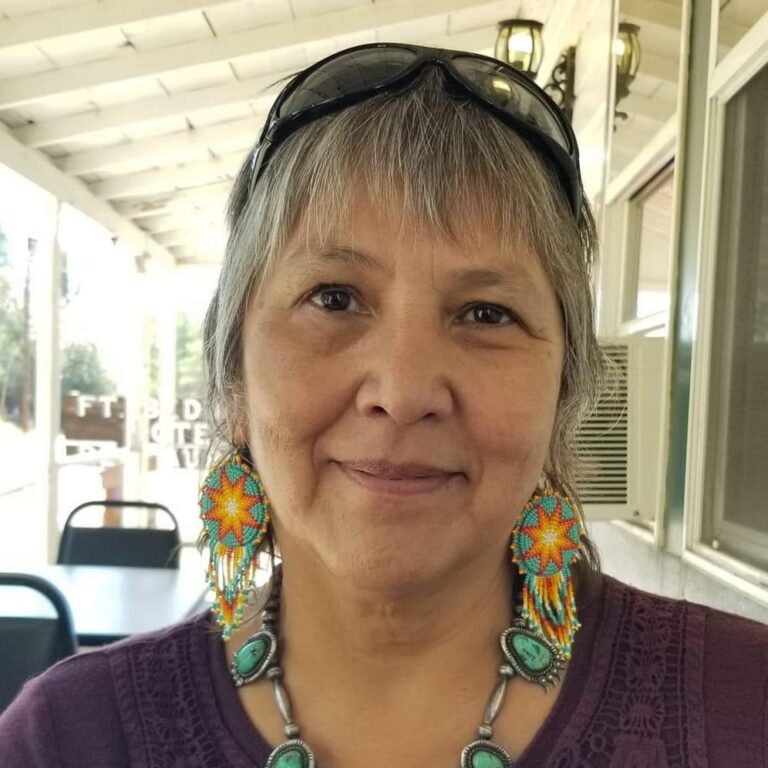
Belinda Brown
Tribal Partnerships DirectorLomakatsi Restoration Project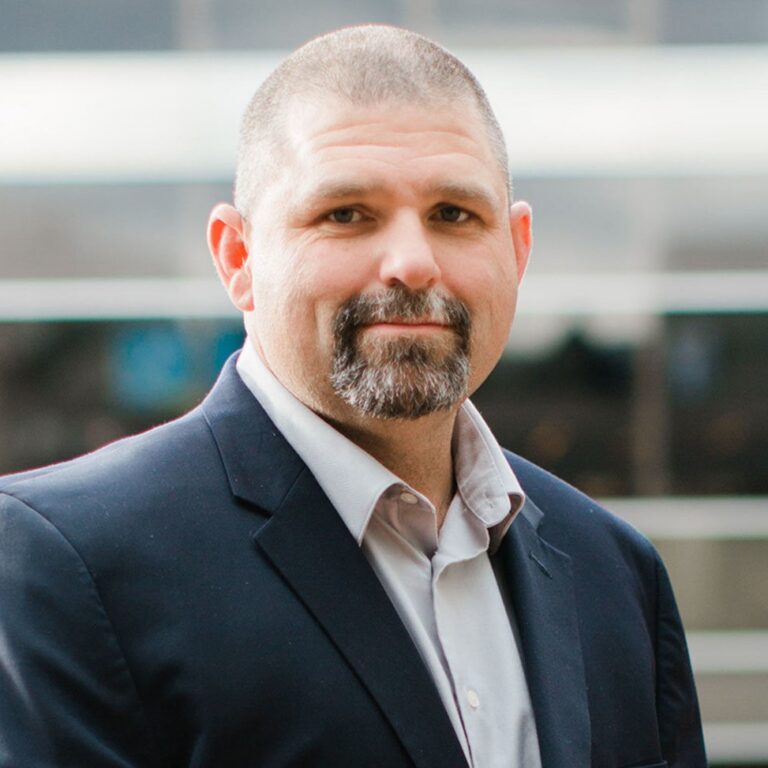
Representative Mark Owens (R-Crane)
District 60 RepresentativeOregon State Legislature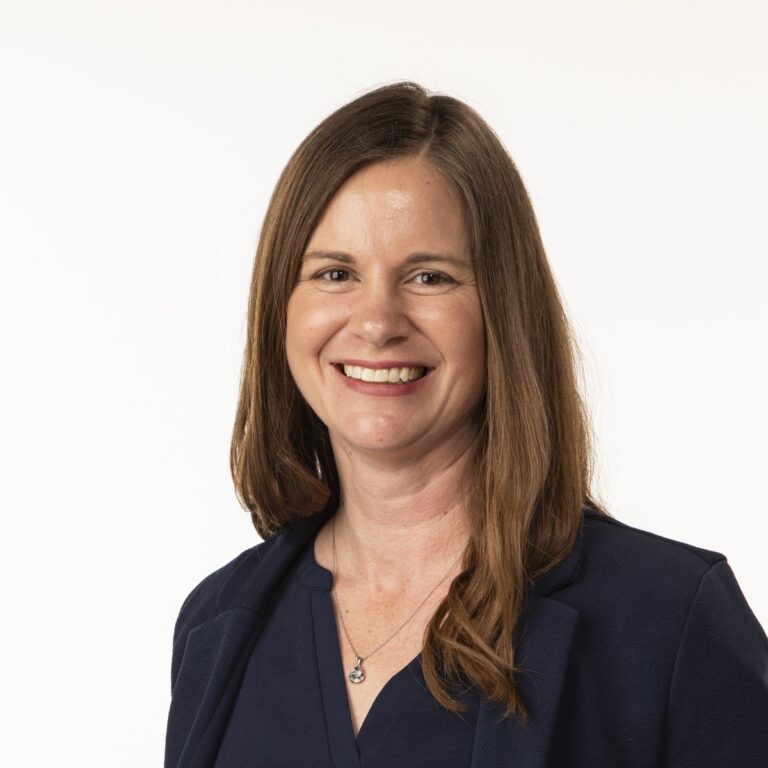
Melissa Baurer
Executive Director of Community DevelopmentSantiam Hospital & Clinics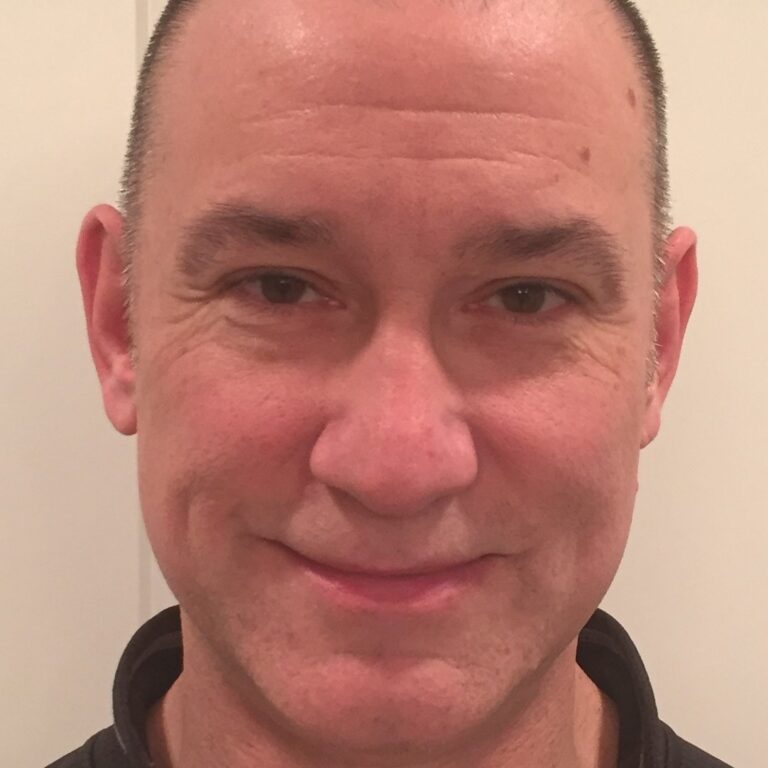
Jeff Gilbert
Regional Emergency CoordinatorODHS/OREM
NEWS FROM THE SUMMIT
SUMMIT UPDATES
- Download
One more day of gathering and building community.
Plan out your last day of the Summit with your event guide: download it here. Thank you for your presence, time, and perspective at the…
Read update → - Download
Day Two of the Summit!
We hope you are well-rested and ready for more resilience. Have you seen all the dining options in the event guide? You can download it…
Read update → - Announced
The Summit is finally here! Check-in opens at 10am!
We hope you are as excited as we are to finally get together in Sunriver. If you haven't already done so, explore the agenda online.…
Read update → - Download
The Event Guide is live!
Get all the details and get excited. We can't wait to see you! You can download it here.
Read update →
DOWNLOADS
SPONSORSHIP
INVEST IN A STRONGER OREGON
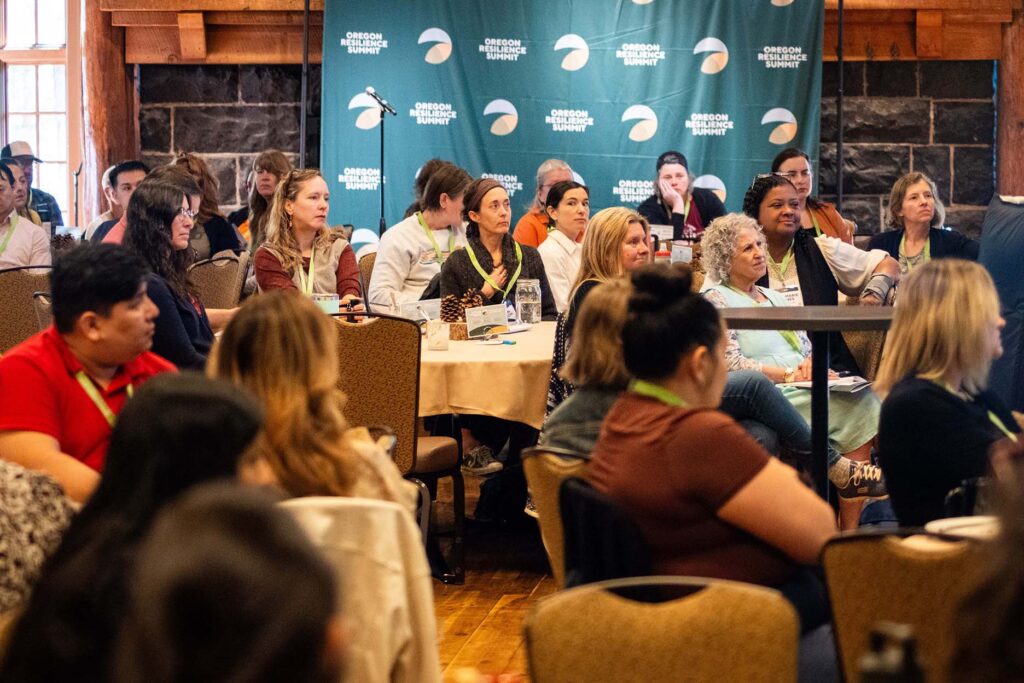
Summit sponsorships make this event possible; your contributions support engaging activities, informative panels, and essential discussions programmed by and for disaster-impacted communities.
Email hello@oregonresilience.org for more information.
THANK YOU
SUMMIT SUPPORTERS





OCTOBER 21-23, 2026 • SUNRIVER, OREGON
JOIN US IN SUNRIVER
Three days of keynotes, panels, and community sessions.
 EN
EN  ES
ES