Panel

Rural Community Building Collective – Conversations between Community Builders: an Approach to Place-Based Resilience

About this session

What makes a community resilient? Strong relationships, local leadership, and the capacity to work together are essential foundations for responding to challenges, from natural disasters to economic uncertainty.

Join members of The Ford Family Foundation’s Rural Community Building Collective for a conversation about how place-based community building strengthens rural resilience. Through real-world examples, we’ll explore the Four Cs of community building, how local organizations identify and respond to community priorities, and how statewide resources can support locally driven solutions.

We’ll also examine the vital role of longstanding community-based organizations, whose decades of experience, trusted relationships, and local knowledge provide continuity through changing circumstances and government leadership. Together, we’ll consider how stronger partnerships between communities, funders, and government agencies can build lasting resilience from within.
Hosted by

Moderated by

Speakers
Community Connector
Economic Development Alliance of Lincoln County

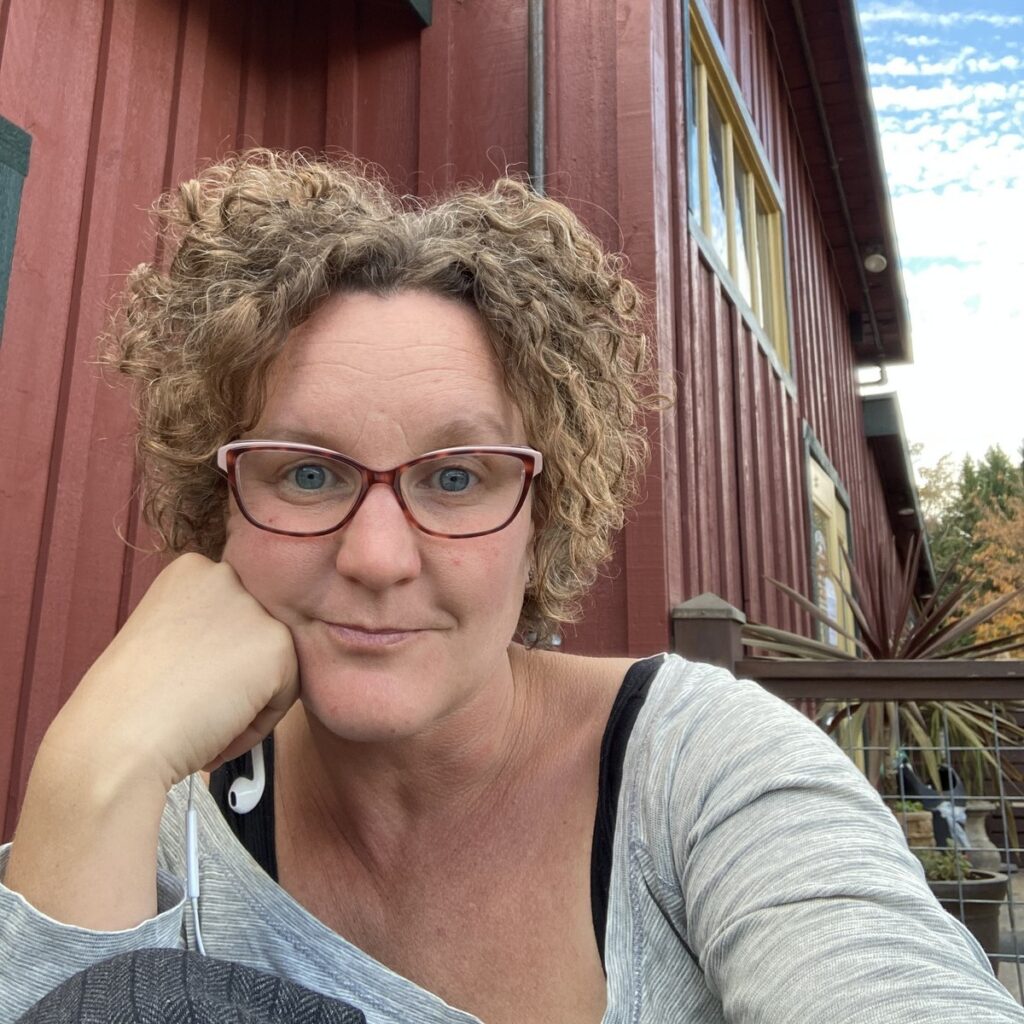
Leslie Palotas is the Community Connector at the Economic Development Alliance of Lincoln County (EDALC), where she brings people and organizations together to collaborate on community-centered solutions. Born and raised in Walla Walla, Washington, and an Oregon Coast resident since 2014, Leslie began contributing to Rural Community Building (RCB) efforts in 2018. This work continues to be inspired and supported in part by The Ford Family Foundation and its networks. Lessons learned from years of regional and statewide RCB efforts, including her facilitation of the Rural Community Builders Collective (RCBC), led to the creation of Leslie’s Community Connector role at EDALC in 2022.

With her previous professional background in outdoor recreation, tourism, hospitality, and experiential education, Leslie approaches collaboration through what she calls an “expedition lens.” On wilderness expeditions and in rural communities, when people struggle to meet their basic needs in healthy ways, the whole group feels it. When people from a variety of backgrounds productively work together to navigate the complex challenges they share, the resulting relationships and understanding lead to resilient, solution-based networks. Leslie brings this approach to multi-sector collaborations, building trust and supporting solutions that grow, adapt, and endure. Learn more about Leslie’s approach and collaborative efforts at: businesslincolncounty.com/community-connector/

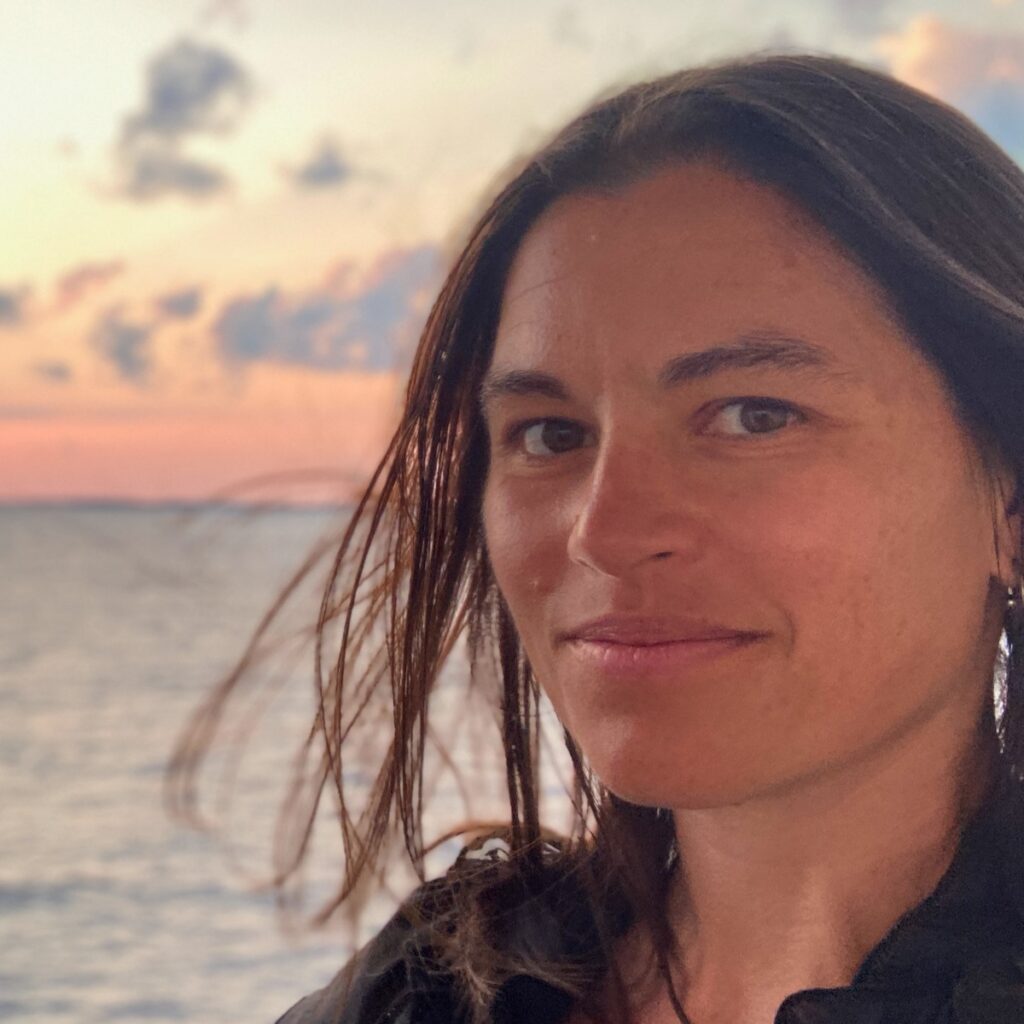
Lindsey B. Jones is a rural community builder, facilitator, and nonprofit leader based in Cave Junction, Oregon. As Executive Director of the Illinois Valley Community Development Organization (IVCanDO), she oversees relationships, resources, and results that strengthen the Illinois Valley through community development, economic opportunity, and collaborative problem-solving.

Since joining IVCanDO in 2014, Lindsey has managed projects, convened diverse stakeholder groups, and helped pilot innovative approaches to connecting community members, organizations, and resources. She is known for bringing people together around shared goals and facilitating conversations that lead to meaningful action. Throughout Oregon, she works with communities, nonprofits, and leaders on topics ranging from community engagement and strategic planning to organizational development and capacity building.

She brings a unique perspective to her work, drawing on a background in yoga, theater and clowning that prepared her well for the many moving parts of community development.

Lindsey is a passionate advocate for vibrant rural communities and believes deeply in the power of partnerships. She values joy, collaboration, and finding practical solutions that help communities thrive. She also recognizes the important role technology plays in connecting residents and visitors to the opportunities, assets, and experiences that make rural places exceptional.

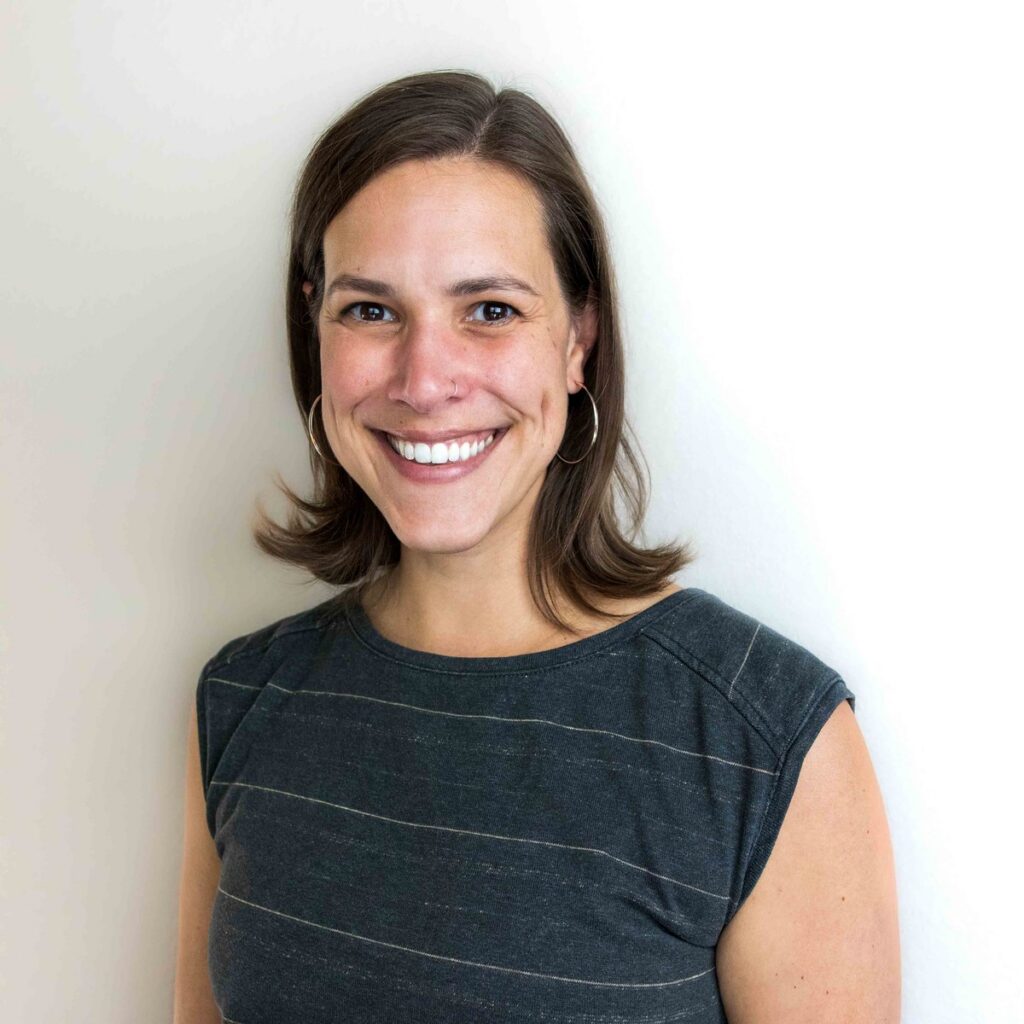
Megan grew up in the heartland and earned her undergraduate degrees in Agricultural Economics and International Relations at the University of Wisconsin before heading West. After exploring several aspects of community organizing, sustainability, and education, Megan earned a master’s degree at Portland State University, focusing on Community Food Systems and Agroecology. Most recently, she has earned a graduate certificate at Oregon State University in Rural Public Policy. Throughout her professional career, Megan has woven together community organizing, food and agriculture, asset-based community mapping, and now rural community building. Megan has worked as a statewide advocate and educator for socially responsible agriculture and as the Education Program Director for a non-profit that aimed to train and assist the next generation of farmers and ranchers. She is currently the Executive Director of A Greater Applegate where she has facilitated the development of the Applegate Valley Vision, an economic development planning process, and the creation of local Resilience Hubs. Megan has lived in the Applegate Valley for 17 years. She also serves as an advisor to the Rogue Valley Food System Network, and is developing skills to consult with other rural communities focusing on community building, resiliency, and relocalization. When not at work, Megan likes to dig in the dirt, walk in the woods, travel, take in some music, be on the water, and spend time with family and friends.

en_USEN