Oregon’s climate is changing, but many communities thrive in locations where the climate would be hazardous in Oregon. In this workshop/presentation, we’ll discuss how Oregon communities can adapt to grow and thrive into our climate future. This interactive session will build off of our partnership with South Willamette Solutions in Oakridge, Oregon, our work on the Oregon Cooling Needs Study, Infrastructure Climate Planning, and case studies and best practices. Activities include future climate adaptation scenario planning and demonstrations to empower participants to take action in their communities.
Panel
From Hazard to Humdrum
- Thursday, Oct 22
About this session
Hosted by
Moderated by
Panelistas
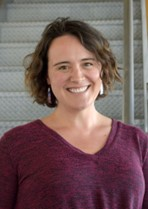
Beth Miller
Climate and Sustainability Management
Beth is a senior scientist at Parametrix who applies her analytical and research skills to help clients understand the most up-to-date information about how climate change is going to affect their world and build a plan to thrive into the future. She provides detailed analyses of the best available climate projections to help her team design to future conditions and runs focused workshops so her clients get all the information they need to make critical decisions. For communities, she translates the complex scientific research into understandable information and facilitates discussions with community stakeholders to plan for an equitable and thriving future. Her recent work includes vulnerability assessments for large infrastructure projects for ODOT, King County, and Sound Transit, as well as hazard assessments for cities and counties throughout the northwest region. Beth is also accomplished in GHG accounting and is leading the emissions modeling and mitigation studies for the Interstate bridge program for the I-5 bridge over the Columbia river.
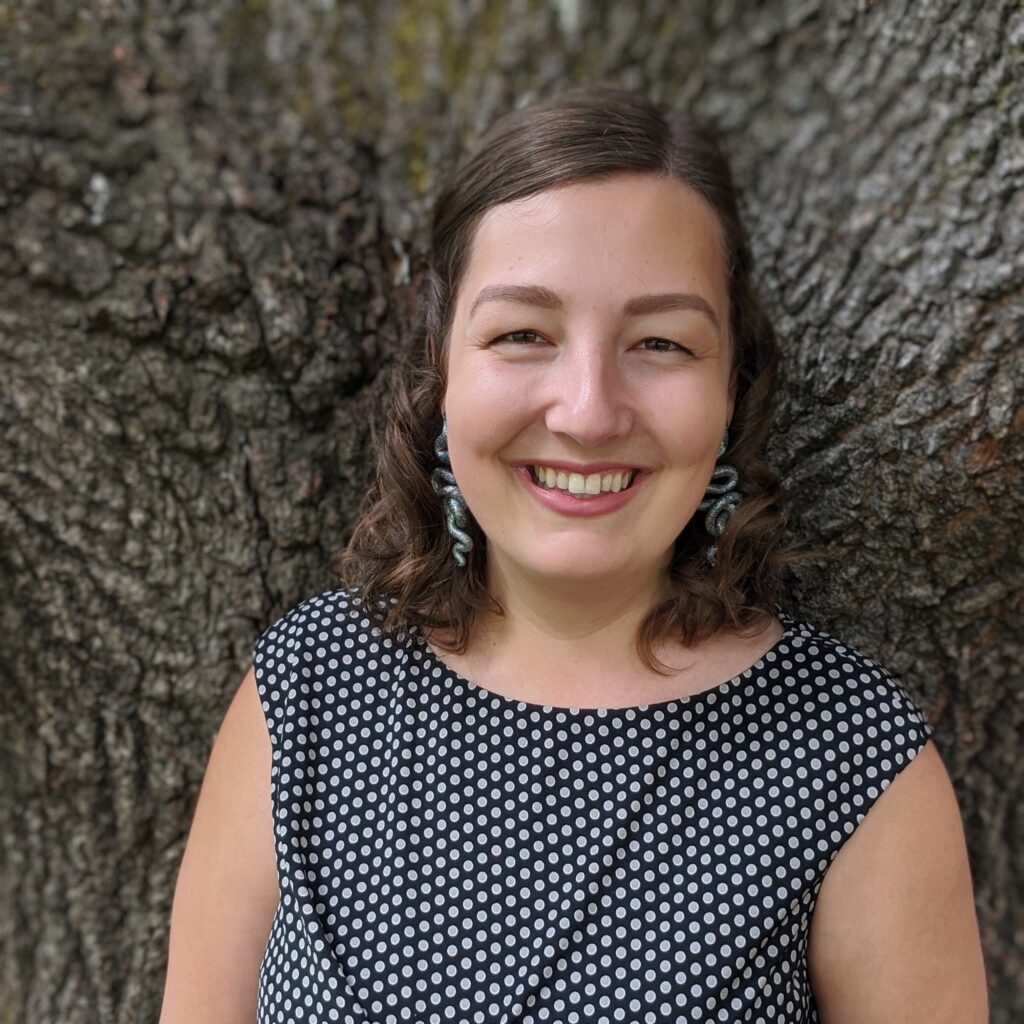
Grace Thirkill
Parametrix
Grace is a climate and sustainability management consultant at Parametrix, where she supports climate resilience, rural economic development, energy resilience, and community-centered implementation for public agencies, nonprofits, Tribal governments, industry, and partners. She serves in project coordination and program-management roles for state and federal initiatives spanning forest and wildfire resilience, biomass utilization, air quality, energy, and community economic development. Grace also facilitates Oregon’s statewide Biomass Utilization Working Group, bringing together partners across sectors to advance collaborative solutions to forest health, wildfire risk, and rural economic challenges. Her prior experience supporting economic development for the City of Oakridge provides firsthand understanding of the opportunities and implementation challenges facing rural and forest-dependent communities.
 ES
ES  EN
EN